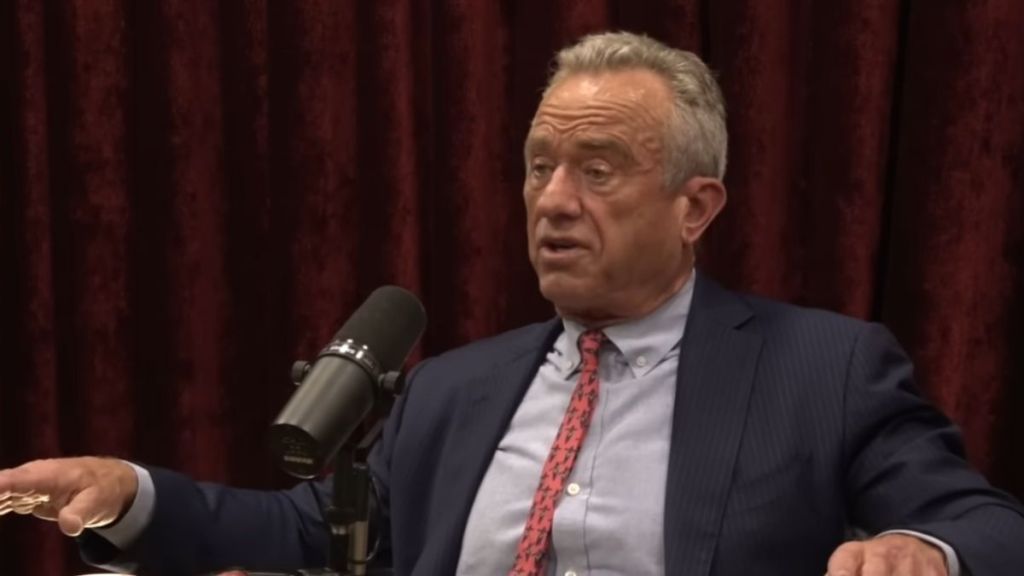
Robert F. Kennedy Jr., the Secretary of Health and Human Services, has expressed his dissatisfaction with President Donald Trump’s recent executive order that supports the controversial herbicide glyphosate. In a conversation with podcaster Joe Rogan on The Joe Rogan Experience, Kennedy articulated his concerns about the implications of the order, which aims to strengthen protections for pesticide manufacturers.
Kennedy stated he was “not particularly happy” with the decision, highlighting his long-standing opposition to chemicals in the food supply. He explained, “It’s not a good thing to have in your food so … it’s not something that I was particularly happy with. Let me put it that way, mildly.” This statement marks a notable shift in Kennedy’s public stance, especially given his previous defense of the administration’s policies.
Balancing Health Concerns with Economic Realities
While Kennedy expressed his reservations about glyphosate, he also acknowledged the potential economic repercussions of an abrupt ban. “If you ban glyphosate overnight, or if you got rid of it … it would destroy the American food system,” he stated. This comment underscores the complexity of the issue, as Kennedy navigates the political landscape of serving in an administration whose priorities may conflict with his own health advocacy.
Trump’s executive order has faced backlash from the MAHA movement, which supports tighter regulations on food safety and aligns with Kennedy’s views on the dangers of pesticides. The order grants pesticide companies increased “immunity” regarding glyphosate, a herbicide that has been linked to numerous lawsuits alleging its connection to cancer. Bayer, the company that acquired Monsanto, the original maker of Roundup, has maintained that glyphosate is safe and recently reached a settlement agreement with plaintiffs involved in these lawsuits.
Kennedy’s comments on Joe Rogan’s podcast contrast sharply with his previous diplomatic tone on social media. Just days before the interview, he posted on X, expressing his support for Trump’s executive order, stating, “I support President Trump’s Executive Order to bring agricultural chemical production back to the United States and end our near-total reliance on adversarial nations.”
This evolving narrative highlights the tension between Kennedy’s public health advocacy and the political realities of his role within the Trump administration. As the debate over glyphosate and food safety continues, Kennedy’s position may play a significant role in shaping public perception and policy regarding agricultural chemicals in the United States.