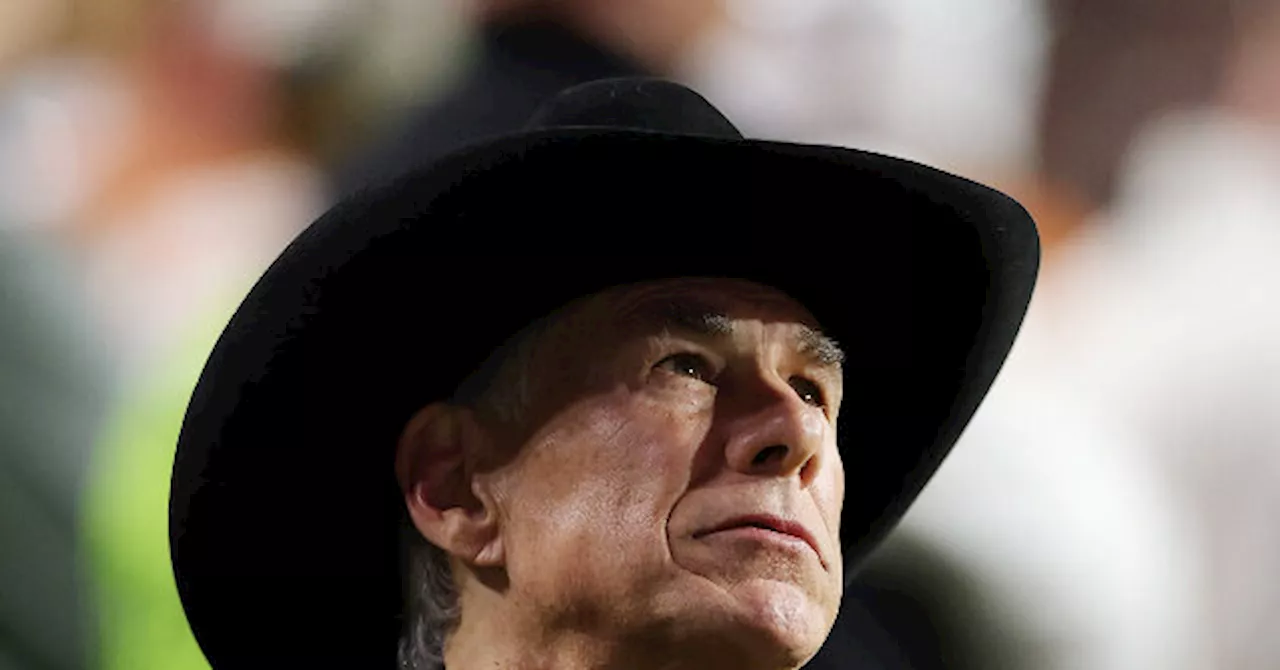
URGENT UPDATE: Texas Governor Greg Abbott has officially designated the Council on American-Islamic Relations (CAIR) as a terrorist organization, igniting a firestorm of backlash and a lawsuit. This controversial move, announced in November 2023, also names the Muslim Brotherhood as a foreign terrorist organization, heightening tensions around issues of free speech and religious freedom.
The backlash from various groups and leaders has been swift. CAIR has already initiated legal proceedings against Abbott and Texas Attorney General Ken Paxton, arguing that the governor’s actions infringe on their First Amendment rights. CAIR’s legal team stated, “We will not be intimidated by these smear campaigns,” emphasizing their commitment to advocacy despite the designation.
Governor Abbott’s proclamation claims both CAIR and the Muslim Brotherhood seek to impose Sharia law globally, characterizing their actions as fundamentally supportive of terrorism. Abbott stated that such radical extremists are “not welcome in Texas,” and his order includes enhanced enforcement powers to prevent these organizations from acquiring property in the state.
Critics argue that Abbott’s designation could chill free speech, especially for American Muslims expressing dissenting views about foreign policies, particularly regarding Israel. At a recent press conference, Mustafaa Carroll, executive director of CAIR-Dallas Fort Worth, condemned the governor’s actions, asserting that targeting CAIR is an attempt to silence dissent.
Support for CAIR has poured in from various organizations, including Jewish Voice for Peace, whose representative Deborah Armintor declared solid support for the lawsuit against Abbott’s proclamation, calling it unconstitutional. Many express concern that this decision could incite discrimination and violence against the Muslim community in Texas.
Abbott’s office has clarified that the new designation enables authorities to take decisive actions against CAIR and its affiliates, effectively limiting their rights and activities within the state. This alarming development poses significant implications for religious freedom and civil rights, sparking debates about the balance between national security and personal liberties.
The situation is further complicated by the ongoing political climate in Texas and nationwide discussions about immigration, civil rights, and the responsibilities of advocacy organizations representing minority groups. Critics suggest that Abbott’s motivations may be politically driven, raising questions about the genuine nature of his national security concerns.
As the legal battle unfolds, communities across Texas are left to grapple with the ramifications of this designation. The controversy emphasizes the need for a nuanced approach to security measures that do not compromise foundational freedoms.
The fallout from Abbott’s decision is expected to shape future interactions between the Texas state government and its Muslim community, potentially affecting trust and collaboration efforts. The implications of this designation extend far beyond Texas, resonating with similar conversations occurring across the nation regarding the intersection of security and civil rights.
Stay tuned for more updates on this developing story as the legal proceedings and public reactions continue to unfold.