UPDATE: The Trump Administration is reportedly reevaluating its strategy for the Gaza Strip, signaling a potential shift in its approach to the ongoing conflict. Sources indicate that the U.S. is considering establishing a Palestinian technocrat government and police force before moving forward with its controversial International Stabilization Force (ISF), which has struggled to gain international support.
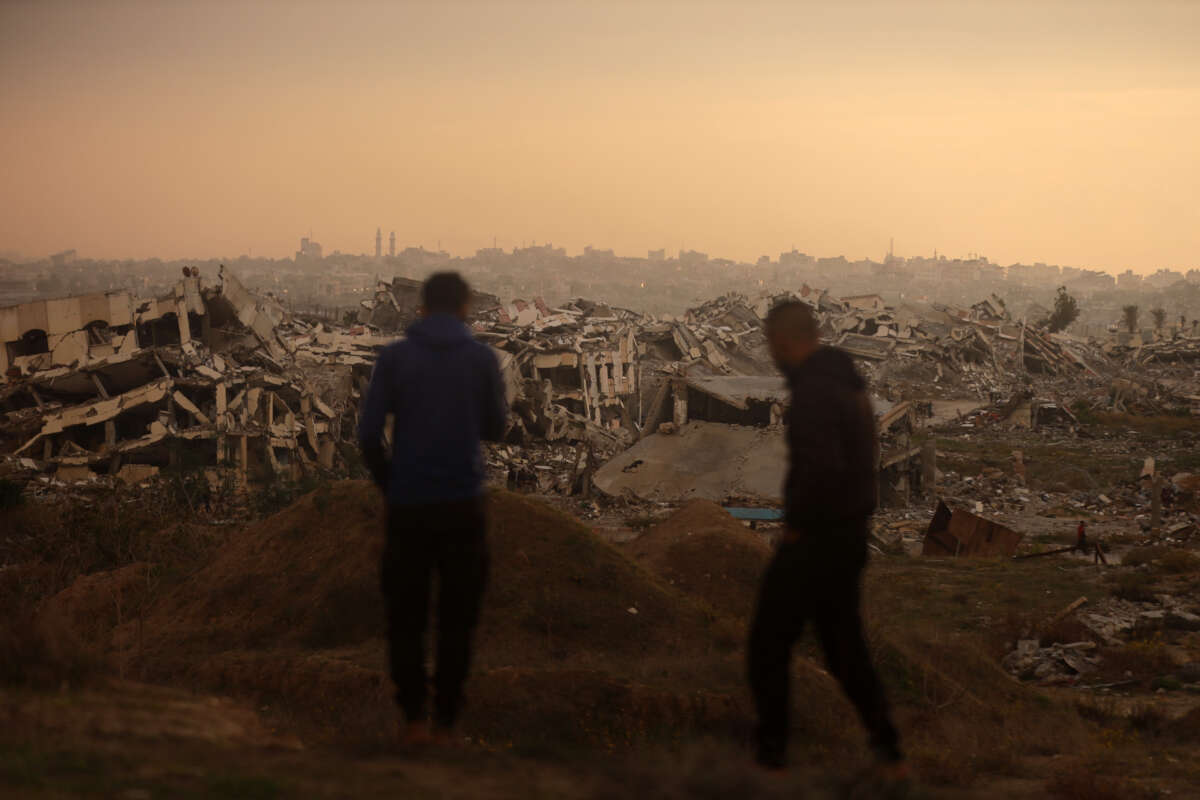
The urgency of this development stems from heightened tensions and the ongoing humanitarian crisis in Gaza, where over 400 Palestinians have been killed and 1,100 injured since the ceasefire began in October. As pressure mounts from regional allies like Egypt, Türkiye, and Qatar, Washington appears to be recognizing that its initial plan of rapid Palestinian disarmament is untenable.
Recent discussions have revealed that the U.S. is facing significant challenges in assembling a coalition for the ISF, as prospective participants are unwilling to engage in military actions against Palestinians. Notably, Azerbaijan has withdrawn its support, underscoring the lack of clarity surrounding the ISF’s mission and objectives.
This shift in U.S. policy comes ahead of Israeli Prime Minister Benjamin Netanyahu’s visit to Washington next week, where he is expected to voice concerns over the evolving strategy. While the idea of a Palestinian-led governance model remains far from full autonomy, it represents a crucial step away from previous colonial frameworks that have dominated discussions.
In a striking change of tone, U.S. Secretary of State Marco Rubio stated, “You’re not going to convince anyone to invest money in Gaza if they believe another war is going to happen in two, three years.” This statement reflects a growing acknowledgment that a more stable Gaza must include meaningful participation from its people.
Palestinian factions, including Hamas and the Palestinian Authority, have reportedly found common ground on negotiations to form a police force that could restore order in Gaza. This coalition seeks to prevent the rise of rival gangs that have exploited the current vacuum, aiming instead for a unified approach to governance.
Despite the progress, U.S. officials continue to grapple with pressure from hardline elements within Washington, including Senator Lindsey Graham, who advocates for a more aggressive stance against Hamas. However, the prevailing sentiment among key regional players is to prioritize diplomatic solutions over military intervention.
The urgency of this situation cannot be overstated. The recent shift in U.S. foreign policy regarding Gaza reflects a growing consensus that military solutions will not resolve the underlying issues. As negotiations develop, all eyes will be on the upcoming discussions between Netanyahu and U.S. officials.
As international observers await further updates, the situation in Gaza remains critical. The potential for a transformative agreement is on the horizon, but the outcome will depend heavily on the ability of Palestinian leaders to maintain unity and negotiate effectively.
Stay tuned for more updates on this developing story.