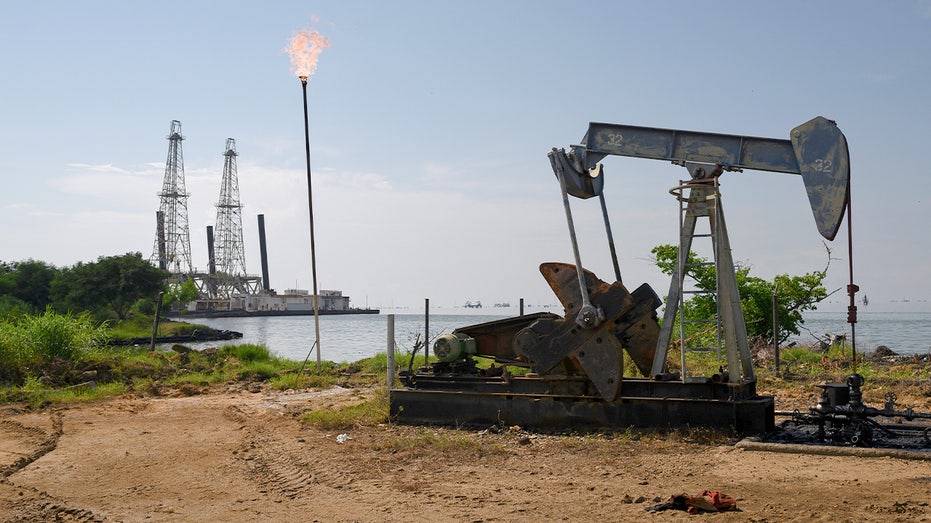
The Trump administration has significantly increased Venezuela’s role as a major oil supplier to the United States, according to Interior Secretary Doug Burgum. This shift aims to mitigate disruptions from the Middle East and alleviate pressures caused by the global shipping crisis. During an interview on “The Sunday Briefing,” Burgum stated that Venezuela has transitioned from being a sanctioned adversary to a strategic ally, possessing the world’s largest oil reserves without the risk of disruptions similar to those experienced in the Strait of Hormuz.
Burgum emphasized that the flow of Venezuelan oil to the U.S. is beginning to increase. He noted that this development would likely contribute to lowering gas prices domestically. “President Trump understands that energy security means national security and energy security also means affordability for Americans,” he said. Venezuelan oil, once heavily restricted, is now positioned to become a key resource for U.S. energy needs.
New Contracts Signal Reestablishment of Commercial Ties
The recent agreements between the U.S. and Venezuela’s state oil company, Petróleos de Venezuela S.A., mark a significant step in re-establishing commercial relationships. Last week, Venezuela signed contracts to supply crude oil and refined products to Gulf Coast refineries. These contracts reflect a broader strategy to reintegrate Venezuelan oil into major U.S. supply chains.
Burgum’s remarks align with the rising urgency for reliable oil supplies due to ongoing geopolitical tensions. While addressing the impact of price fluctuations, he noted that a responsive American private sector would likely increase domestic drilling in reaction to surging prices. “When you see prices start moving up like this, there’s going to be more active drilling in America right now in response to prices going up,” he indicated.
During the discussion, Burgum pointed out that under President Joe Biden, there were 67 consecutive days where oil prices exceeded $100, contrasting this with the Trump administration where prices never reached that level. He insists that the current price issues stem from transit complications rather than a global oil shortage.
Impact on U.S. Energy Security
Burgum’s statements reflect a significant shift in U.S. energy policy, showcasing the administration’s commitment to prioritizing American energy dominance. He argued that Venezuelan oil, now freed from sanctions, can contribute to stabilizing U.S. energy markets. This newfound alliance with Venezuela is seen as a strategic move to diversify sources and reduce dependency on oil from more volatile regions.
The evolving relationship with Venezuela comes at a crucial time as the U.S. seeks to enhance energy security amid fluctuating global markets. As the administration pushes for greater energy independence, this partnership signifies a notable pivot in foreign policy and energy strategy.
Burgum concluded that the situation is a temporary issue focused on logistics rather than a lack of oil resources globally. The ongoing developments suggest that the U.S. may continue to lean more heavily on Venezuelan oil as part of a broader strategy to ensure stable and affordable energy for American consumers.
As the situation unfolds, the implications for both U.S. energy policy and international relations will be closely monitored.