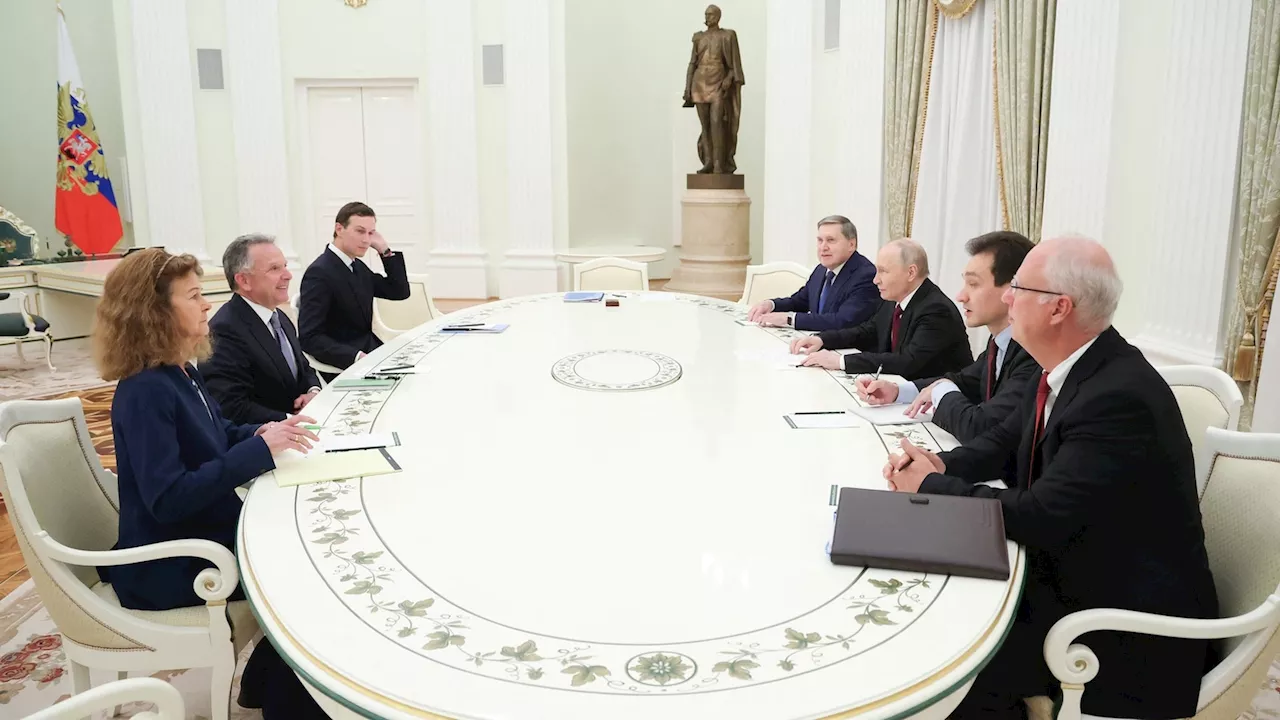
UPDATE: President Donald Trump has just confirmed that U.S. Special Envoy Steve Witkoff and his son-in-law Jared Kushner had a “reasonably good meeting” with Russian President Vladimir Putin on December 2, 2025, in Moscow. This development comes amidst ongoing tensions and the nearly four-year Russian invasion of Ukraine, raising urgent questions about the future of peace negotiations.
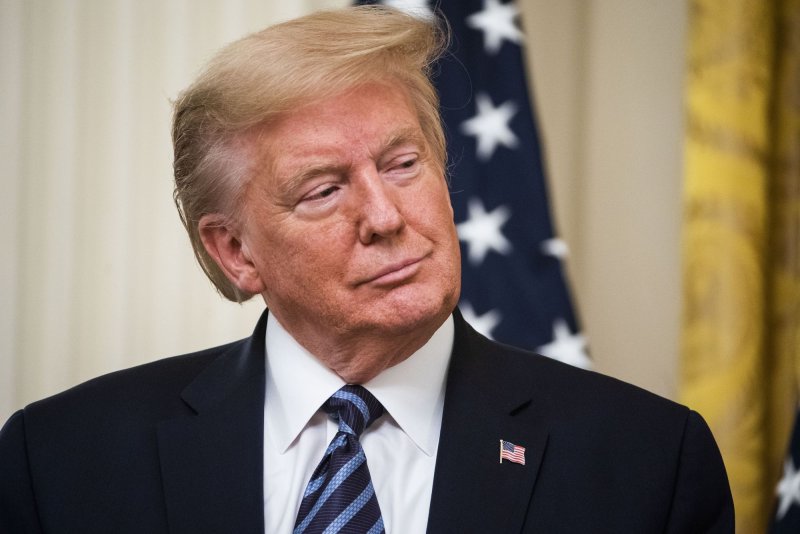
During a press briefing at the White House, Trump stated, “What comes out of that meeting? I can’t tell you,” highlighting the uncertainty surrounding the discussions. He characterized the Kremlin’s sentiment as one of a desire to end the war, suggesting that Putin is eager for a return to normalcy and trade relations with the U.S.
In a significant move, Witkoff and Kushner have invited Ukrainian National Security and Defense Council Secretary Rustem Umerov to Miami for further peace talks. This invitation signals a proactive approach following their marathon discussions with Putin. However, no immediate breakthroughs were reported from the Kremlin, intensifying the urgency for a resolution.
The negotiations have been shrouded in secrecy, with both sides maintaining a tight-lipped stance about the specifics of their discussions. Yuri Ushakov, Putin’s top foreign policy aide, indicated that while some American proposals were considered acceptable, critical differences remain. “So far no compromise option has been found,” Ushakov told Russian media, underscoring the challenges ahead.
Trump’s optimism is contrasted by the grim realities on the ground. Ukrainian President Volodymyr Zelenskyy is set to meet European leaders in Brussels to discuss the outcomes of the Moscow talks, as the geopolitical stakes continue to rise.
Geopolitical analysts emphasize that the success of any peace plan hinges on resolving two key issues: territory concessions and security guarantees. U.S. Secretary of State Marco Rubio noted that while “some progress” has been made, significant hurdles remain, particularly regarding Moscow’s insistence on Ukrainian troop withdrawals from the Donbas region—an area Ukraine is unwilling to cede.
“The only leader in the world that can talk to both sides and make a deal, if a deal is possible, is President Trump,” Rubio said, pointing to the unique position the U.S. holds in these negotiations. However, he warned that it’s ultimately up to both Ukraine and Russia to agree on terms for a lasting peace.
As the situation evolves, the international community watches closely. Experts warn that if the Kremlin does not show willingness to compromise, a peace agreement may remain out of reach. Trump’s diplomatic efforts, while ambitious, face tough opposition from entrenched positions on both sides.
With the stakes higher than ever, all eyes will be on the upcoming talks in Miami and how they might shift the trajectory of this conflict. The urgency for a resolution cannot be overstated, as the consequences of continued hostilities reverberate far beyond the borders of Ukraine.