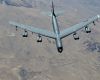
BREAKING: The United States has escalated its military campaign against Iran, striking “nearly 2,000” targets as Operation Epic Fury enters its fourth day. The introduction of B-52 strategic bombers marks a significant intensification in air operations, as U.S. forces aim to dismantle Iran’s military capabilities.
According to a CENTCOM fact sheet, over 1,700 targets were reportedly hit within the first 72 hours of the operation. This aerial assault employs an array of aircraft, including B-1, B-2, and B-52 bombers, along with fighter jets, drones, and advanced missile-defense systems such as Patriot and THAAD. The operation is a direct response to Iran’s ongoing drone and missile threats in the region.
In a statement, CENTCOM underscored the urgency of the operation, declaring, “The Iranian regime’s killer drones have been a menace in the Middle East for years. These drones are no longer a tolerable risk.” CENTCOM commander Admiral Brad Cooper reported that Iran’s naval forces have been significantly degraded, with 17 Iranian vessels, including a submarine, destroyed. He confirmed that no Iranian warships remain operational in critical maritime corridors.
This military escalation occurs amid a backdrop of escalating violence, with Iran launching missile and drone attacks targeting both Israel and U.S. interests across the region. Just yesterday, a suspected Iranian drone strike targeted CIA facilities within the U.S. Embassy in Saudi Arabia, prompting heightened security measures and diplomatic adjustments by Washington.
The human toll of this conflict is staggering. The Pentagon reports that six U.S. service members have lost their lives since the operation commenced. Meanwhile, the Iranian Red Crescent claims that U.S.-Israeli strikes have resulted in 787 deaths in Iran, a figure that remains unverified by independent sources.
As tensions mount, the ongoing conflict is impacting global energy shipping. The Strait of Hormuz, a vital maritime chokepoint carrying roughly 20% of the world’s oil and gas, has been closed for a fourth consecutive day, raising alarms about escalating risks for vessels operating in this critical area.
As the situation develops, U.S. officials are urging vigilance and preparedness. The ongoing air campaign signifies a pivotal moment in U.S.-Iran relations, with far-reaching implications for regional stability and global energy markets.
Stay tuned for more updates as this story unfolds.