UPDATE: President Donald Trump has raised serious concerns over the proposed merger between Nexstar Media Group and TEGNA, which threatens to reshape local news across the United States. The merger, if approved, would create a media conglomerate controlling 265 TV stations reaching over 80 percent of American households, a significant violation of past regulations aimed at preserving local news diversity.
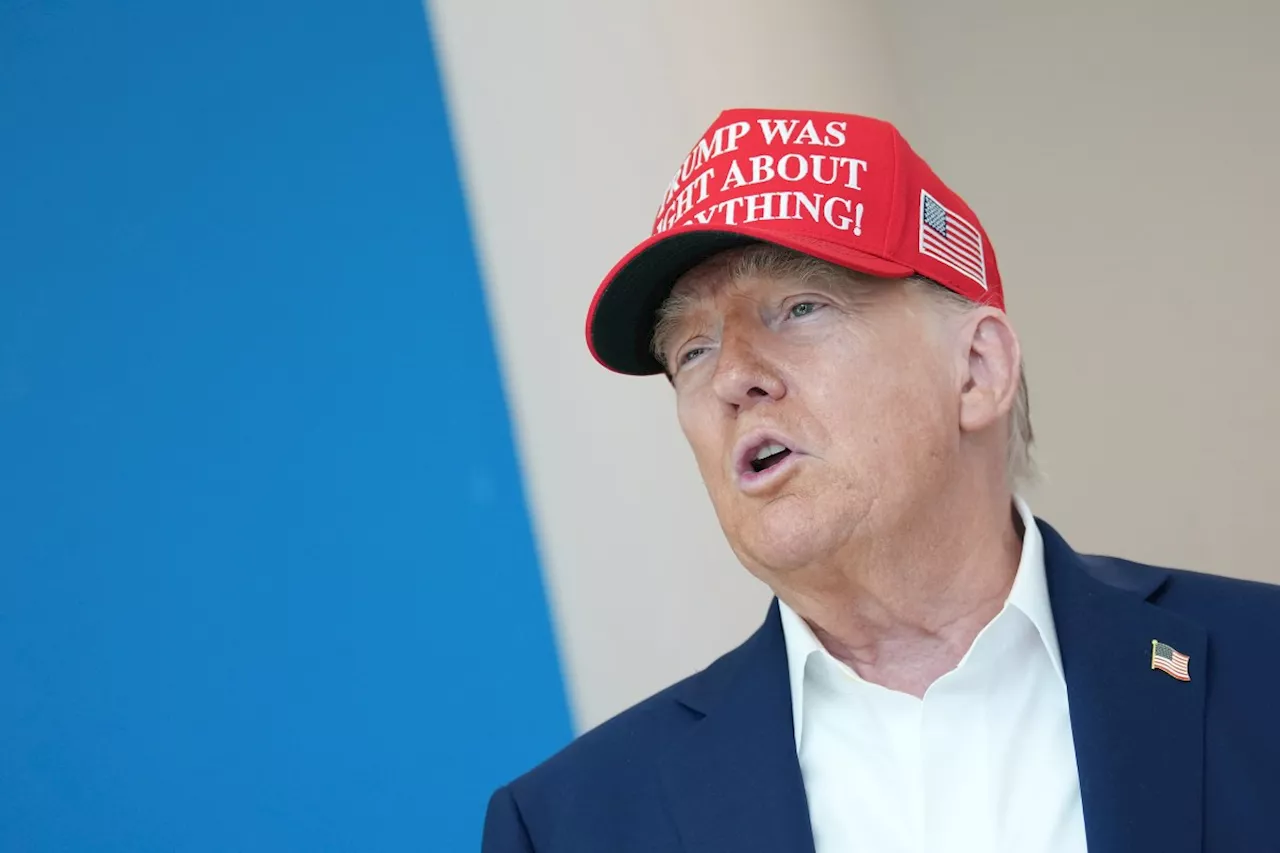
The urgency surrounding this merger has escalated following Trump’s public statements during a media event on August 22, 2025, where he highlighted the risks this consolidation poses to local journalism. With local news outlets already facing financial strain, the merger could lead to further homogenization of content, diminishing the variety and quality of news that communities rely on.
Local news has historically served as a critical source of information for Americans, covering stories that matter most to them. However, as giant media companies absorb local stations, many communities are experiencing a disturbing trend towards “sameness” in news coverage. Reports indicate that competing stations in some markets are duplicating news scripts word-for-word, raising alarms about the future of independent journalism.
The proposed merger has drawn ire not only from Trump but also from media advocates and legal scholars who argue that the Federal Communications Commission (FCC) may lack the authority to approve such a deal. Critics point out that the merger could lead to skyrocketing retransmission fees for consumers, which have already increased by more than 2,000 percent over the last 15 years.
Chris Ruddy, CEO of Newsmax, has publicly opposed the merger, asserting that the national audience reach cap it would violate is crucial for maintaining trust in local news. He emphasizes that Americans prefer local news as it is less influenced by the biases of media elites from major cities like New York and Los Angeles.
The implications of this merger extend beyond media coverage; they could fundamentally alter the political landscape in America. A single company controlling such a vast network of local stations could shape narratives and influence public opinion across the nation. This is why regulatory bodies must prioritize the public interest before making any decisions about the merger.
As the debate intensifies, the FCC is under pressure to reconsider its stance on this merger amid increasing scrutiny from the public and lawmakers. The current media landscape is evolving rapidly, and the potential loss of local news could have lasting consequences for democracy and informed citizenry.
What happens next is critical. Stakeholders from various sectors are gearing up for a fight, and discussions at the FCC will likely heat up in the coming weeks. Public awareness and pressure will play a vital role in determining the future of local news and whether we can safeguard its integrity.
Stay tuned for more updates on this developing story as it unfolds. The fate of local news hangs in the balance, and every voice matters in this crucial conversation.