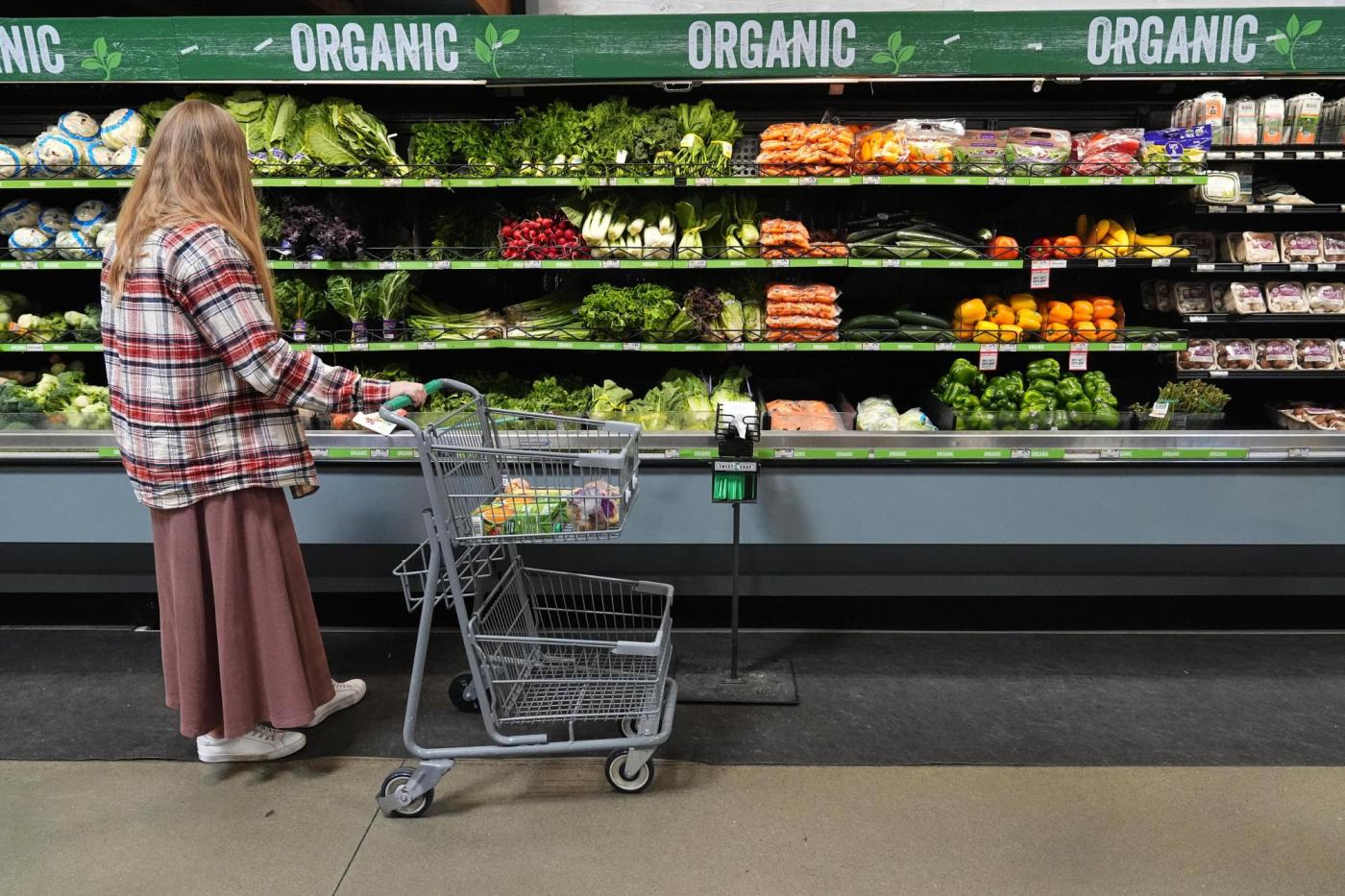
UPDATE: A growing controversy surrounds government spending aimed at combating food deserts, with officials pouring millions into grocery store initiatives, yet questioning their effectiveness. Recent data reveals that merely opening new grocery stores may not be the solution to the complex issues facing low-income communities.
Just last month, state and local leaders celebrated the grand opening of a new grocery store in Lynwood, funded by $5.1 million in state resources to redevelop a former gas station. This store’s launch was part of a broader effort, with LA County’s Food Equity Fund allocating $20 million since 2024 to establish markets in food deserts, including mobile farmer’s markets.
However, critics argue that these efforts may not address the root causes of food insecurity. Governor Gavin Newsom recently vetoed a proposed bill that would have expanded grants to open grocery stores in food deserts, highlighting the ongoing debate over the best use of taxpayer dollars.
Research from NYU indicates that over the past decade, hundreds of millions of dollars have been spent encouraging grocery store openings in food deserts. The FDA defines a food desert as an area where a significant portion of the population lives more than one mile from a supermarket and faces economic hardship.
The idea that food deserts lead to poor health outcomes is widely accepted, with many believing that lack of access to healthy food options pushes low-income families toward unhealthy fast-food alternatives. New York City mayor-elect Zohran Mamdani plans to establish government-run grocery stores, aiming to provide affordable, nutritious food to residents in similar situations.
However, critics question whether distance to grocery stores is truly a barrier. A USDA-funded survey found that the average SNAP recipient lives 1.96 miles from a supermarket but often travels 3.15 miles to preferred stores, suggesting that choice plays a significant role in purchasing behavior, regardless of proximity.
Further complicating the issue, a study published in the Quarterly Journal of Economics examined over 1,000 supermarkets opened in food deserts and found that while residents patronized these new stores, there was no significant shift toward healthier food purchases. Instead, convenience remained king, with junk food still dominating shopping carts.
The urgency to address nutrition in low-income communities remains paramount. Experts argue that merely establishing grocery stores is not enough; they suggest focusing on early childhood nutrition education and outreach programs that could yield more substantial benefits than simply increasing store numbers.
As this debate unfolds, officials and community leaders must confront the complexities of food insecurity and its ties to poverty. The call for a more nuanced approach is growing louder, emphasizing that without addressing the underlying issues of poverty and education, initiatives may continue to fall short.
What’s next? As local governments reassess their strategies, the focus will likely shift toward sustainable solutions that empower communities rather than relying solely on grocery store openings. The conversation around food deserts and health equity is evolving, and its impact will be felt by millions across the nation.