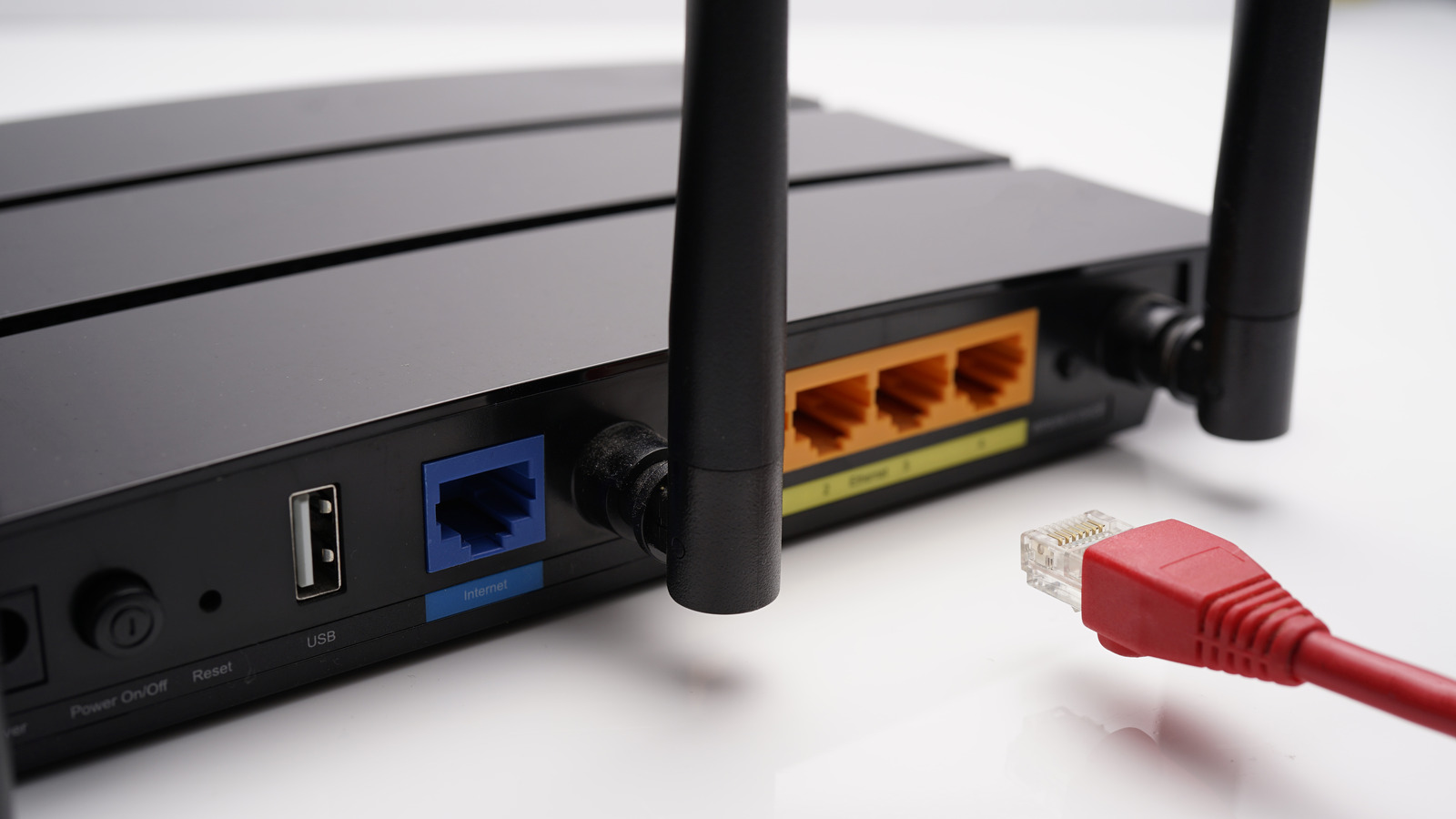
URGENT UPDATE: A new report reveals that the once-ubiquitous 2.4 GHz router is now considered outdated, posing significant connectivity challenges for modern households. With over 80% of U.S. homes relying on routers, are you still using this aging technology?
The 2.4 GHz Wi-Fi band, introduced in 1999 with the 802.11b standard, was a cornerstone of home networking. Initially capable of 11 Mbps, improvements over the years boosted this to 54 Mbps with the 802.11g standard. However, today’s demands have outpaced this technology. Current 5 GHz routers can deliver speeds up to 1 Gbps, and the new 6 GHz Wi-Fi 7 standard, approved in the U.S. in 2020, can reach up to 2 Gbps.
The limitations of 2.4 GHz routers are becoming painfully clear. They struggle to support multiple high-bandwidth devices, causing slowdowns during streaming, cloud backups, and remote work. This is especially problematic in households filled with IoT devices, which often crowd the already congested 2.4 GHz band. Devices like baby monitors and security cameras further complicate the situation, particularly in urban environments where signals overlap.
Experts recommend upgrading to a modern dual-band router, such as the TP-Link Archer GE230, which accommodates both newer devices and legacy connections. While the 2.4 GHz band offers better coverage, relying on it as the primary network is no longer viable for households demanding robust internet capabilities.
However, before discarding your old router, consider its potential. While it’s not suitable as a primary hub, it can still serve valuable roles—like connecting low-bandwidth IoT devices or acting as a Wi-Fi extender to cover dead spots. This repurposing can extend the life of your technology while enhancing connectivity in multi-device homes.
Tech experts warn that holding onto outdated technology could hinder performance. Streaming, gaming, and remote work will only exacerbate the shortcomings of a 2.4 GHz router. Transitioning to a dual- or tri-band router can alleviate these issues, ensuring all devices can operate efficiently without interference.
As technology rapidly evolves, the question remains: are you ready to upgrade? The shift from 2.4 GHz is not just a recommendation—it’s essential for maintaining a seamless digital life. Don’t let your outdated router hold you back; explore your options today!
Stay tuned for more updates on this developing story as technology continues to reshape how we connect.