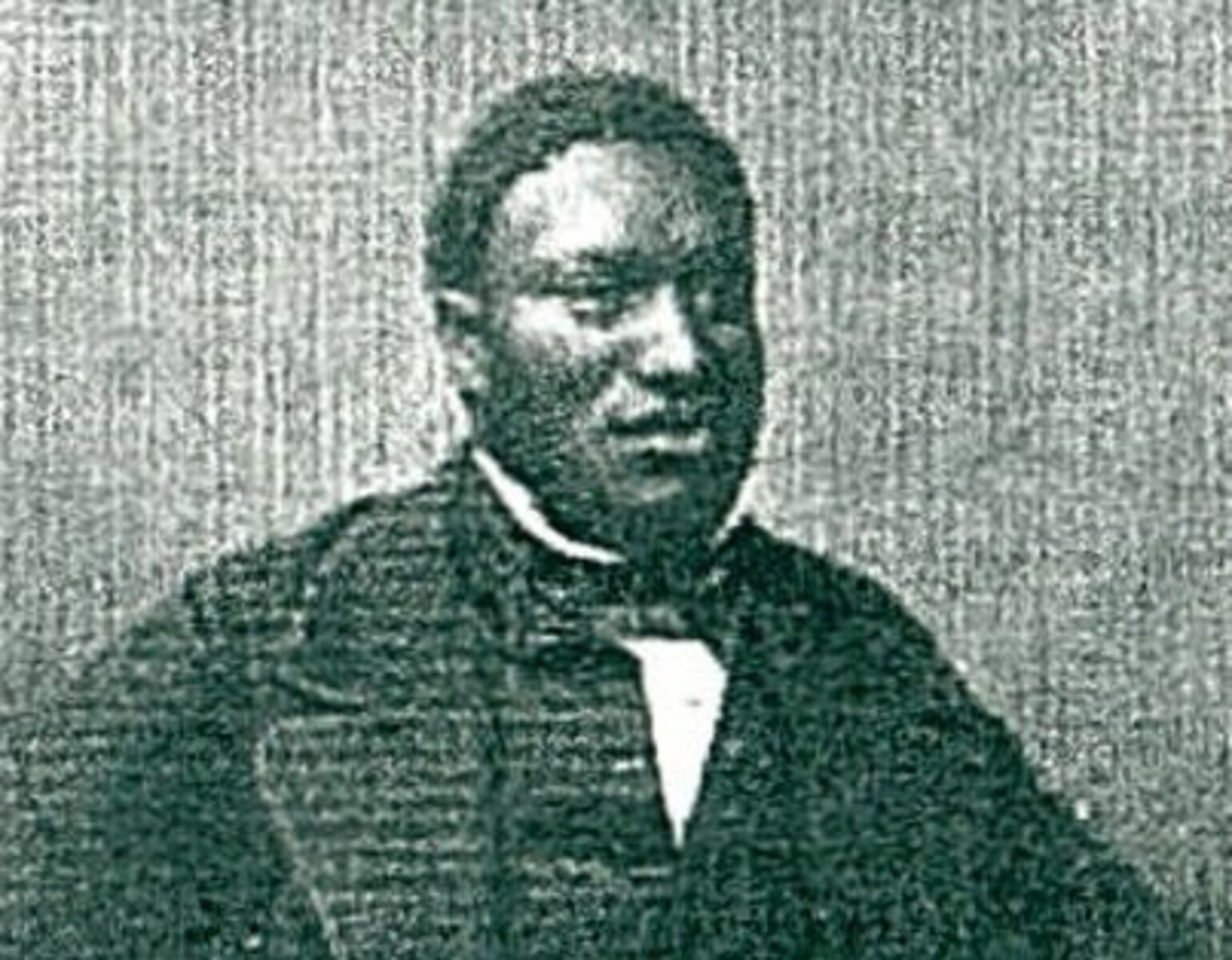
UPDATE: New revelations highlight the remarkable contributions of Samuel Ringgold Ward, a nearly forgotten abolitionist who left a profound impact on the fight against slavery. Frederick Douglass, a towering figure of the abolition movement, once praised Ward as “the ablest Black man the country has ever produced,” underscoring the urgency of recognizing his legacy today.
In a recent Smithsonian article, details of Ward’s life have come to light, igniting interest in a man who escaped slavery at a young age and dedicated his life to abolitionist efforts. Born on October 17, 1817, in Maryland, Ward’s journey took him from the bonds of slavery to becoming a powerful orator and advocate for freedom, particularly in New York City and beyond.
Ward’s pivotal role in the Jerry Rescue of October 1, 1851, in Syracuse is a defining moment. He rallied a crowd of 2,500 people to protest against the Fugitive Slave Act, demanding justice and freedom for “Jerry,” an escaped slave captured under the oppressive law. Ward’s impassioned speech ignited the crowd’s resolve, leading them to storm the jail and free Jerry, an act of defiance against the injustices of the time.
The dramatic events surrounding the Jerry Rescue, as described by former Syracuse columnist Dick Case, reflect the deep emotional and moral struggles of the era. Ward proclaimed, “What a term to apply to an American!” challenging the crowd to reject complicity in slavery’s horrors. His call to action reverberated, and the crowd’s enthusiastic response showcased the collective determination of abolitionists.
Ward’s impact extended beyond Syracuse. His establishment of “The Impartial Citizen,” one of America’s earliest Black newspapers, in 1849 served as a platform for promoting racial pride and abolitionism. His writings emphasized self-respect and dignity, echoing the sentiments of a community yearning for equality.
This newfound recognition of Ward is not just about historical acknowledgment; it serves as a reminder of the ongoing fight against injustice. As we reflect on past struggles, the lessons learned from leaders like Ward resonate in today’s social movements advocating for racial equality and justice.
In a world where the fight for freedom and dignity continues, Samuel Ringgold Ward’s legacy reminds us of the power of words and action. As we spotlight his contributions, we are called to honor those who have fought for change and to continue the work they began.
As interest grows in Ward’s story, there are calls for educational initiatives to ensure his contributions are not lost to history. Local historians and educators are urged to incorporate his life and work into curricula, fostering a new generation of activists inspired by his courage and commitment.
The urgent need to recognize figures like Samuel Ringgold Ward is essential as we navigate contemporary challenges. His life story, marked by resilience and advocacy, serves as an enduring source of inspiration.
For more information on his life and legacy, details can be found in the Smithsonian article and various historical archives documenting the abolition movement’s rich history. As discussions around his contributions continue, the hope is that Samuel Ringgold Ward will no longer remain a footnote in history but rather a celebrated figure in the ongoing fight for justice and equality.