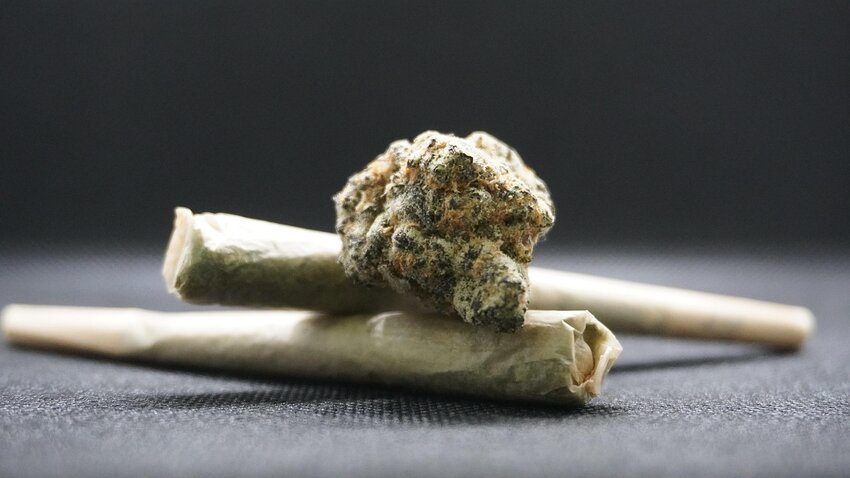
URGENT UPDATE: Washington state residents are questioning their rights regarding cannabis smoke as complaints about secondhand exposure surge. With recreational cannabis legal for over a decade, confusion persists over the rules governing its use, particularly concerning smoke drifting into neighboring properties.
New reports confirm that while adults aged 21 and older can legally consume cannabis on private property, there are strict regulations on public consumption. According to the Washington State Liquor Control Board, using cannabis in public spaces remains illegal, including sidewalks, parks, and public trails.
Why this matters NOW: Residents facing issues with neighbor’s cannabis smoke need to understand their options. Many are unsure whether they can call law enforcement or take legal action if smoke drifts onto their property, making this information critical for community health and comfort.
If you spot a neighbor smoking cannabis on a rental property, your first step could involve contacting the landlord. The U.S. Department of Housing and Urban Development emphasizes that property owners have the authority to impose smoking restrictions. If you reside in a shared community, such as an apartment complex, smoking in common areas is typically prohibited under state law.
However, challenges arise when both parties own their properties. In such cases, residents may find it difficult to restrict a neighbor’s cannabis usage. If informal discussions fail, residents can report violations to their local public health department.
Residents looking for solutions are encouraged to approach their neighbors amicably, explaining the discomfort caused by smoke. Clark County Public Health offers resources, including a renters toolkit designed to handle these disputes effectively. If direct communication does not yield results, mediation services may provide professional assistance at a low cost.
For those living in designated non-smoking areas, it’s essential to inform landlords if rules are not being enforced. If your landlord fails to address the issue, the Tenants Union of Washington State provides resources for tenants facing secondhand smoke complaints.
What to do next: If conflicts escalate, legal action might be considered a last resort. Proving harm from cannabis smoke can be challenging; however, if it significantly impacts your health or property, it may be classified as a “private nuisance,” warranting legal recourse.
While neighbors cannot force you to stop smoking cannabis in your own backyard, it’s crucial to remain considerate. Cannabis use, even for medical purposes, can lead to disputes over secondhand smoke. Residents are reminded that smoking in private spaces is not an absolute right, emphasizing the importance of being mindful of where smoke drifts.
This information is vital as Washington state residents navigate the nuances of cannabis law, especially as public health concerns rise. Understanding your rights and responsibilities can foster a more harmonious community.
Stay tuned for further updates as local authorities continue to address these pressing issues.