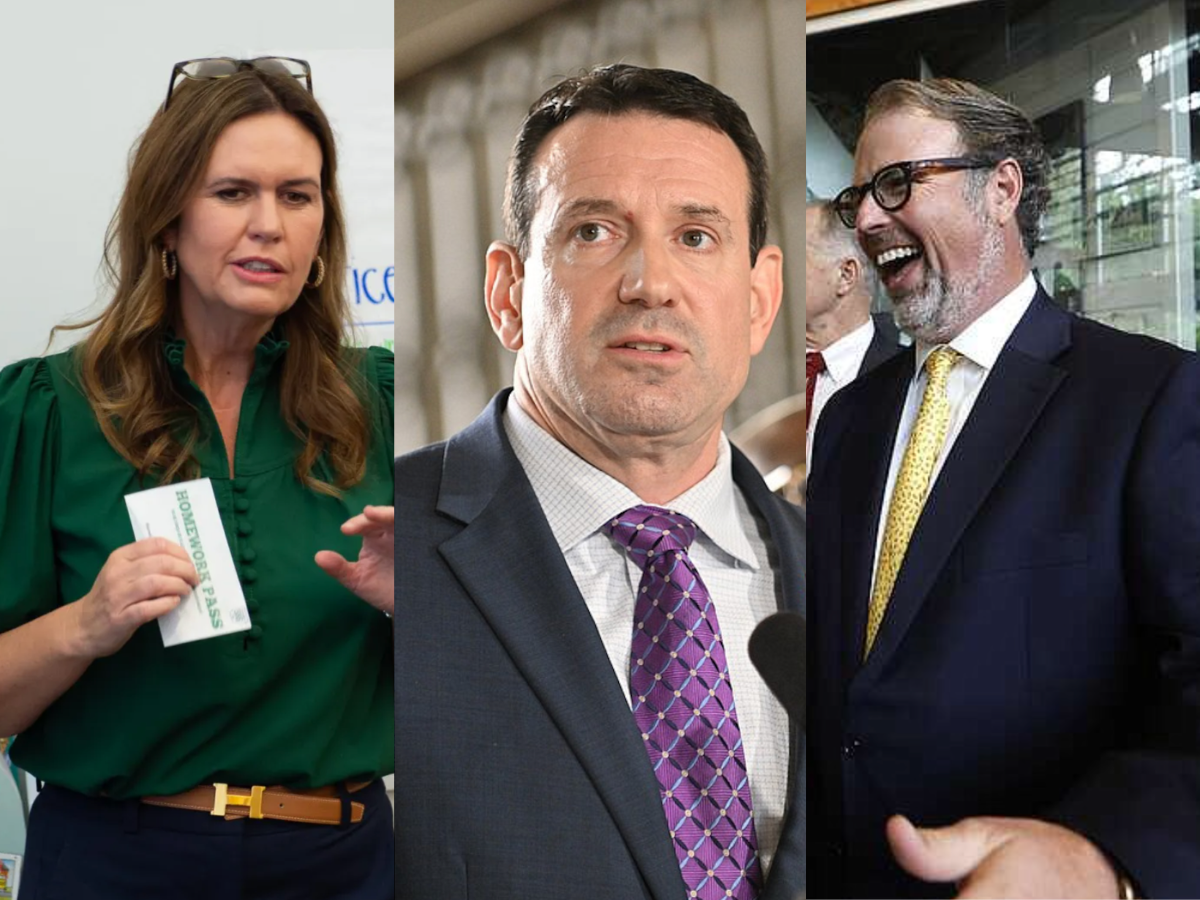
UPDATE: In a surprising turn of events, Will Jones, the embattled Sixth Judicial District Prosecuting Attorney, is receiving a major campaign boost just days before the March 3, 2024 Democratic primary. An independent group named Safe Streets Arkansas has launched an ad campaign praising Jones for purported crime reductions in Little Rock, despite troubling statistics suggesting otherwise.
As crime rates fall across the nation, a recent nonpartisan study revealed that Little Rock is one of only three cities among 40 examined where murders have spiked. This contradiction raises serious questions about the validity of the claims made in the ads. The effort seems aimed at swaying low-information voters who may remember Jones primarily for his televised confession of an extramarital affair with his chief deputy prosecutor.
The financial backing for this campaign is substantial. Safe Streets Arkansas reported raising $422,000 and spending nearly $330,000 as of Tuesday. A notable $300,000 of this funding comes from Ron Cameron, a conservative poultry magnate known for supporting Jones in previous elections. Additionally, Bank OZK contributed $100,000, a move that could alienate customers who support his opponent, Bobby Forrest Jr..
This isn’t the first instance of outside money supporting Jones this election cycle. Earlier efforts included text messages from a shadowy group called Citizens for Freedom, which promoted similar crime reduction narratives. The origins of this group remain undisclosed, raising ethical concerns about transparency in campaign financing.
The connection to Sarah Huckabee Sanders, Arkansas’ governor, deepens the intrigue. Campaign manager Chris Caldwell, who has worked closely with Sanders, is instrumental in the current ad campaign. Caldwell’s history includes forming committees aimed at influencing political outcomes in the state, including efforts against controversial amendments related to abortion and medical marijuana.
Why is a state governor’s political operative now involved in a local prosecutor’s race? Speculation abounds, with some suggesting that Sanders may be rewarding Jones for his decision not to prosecute her regarding a $19,000 lectern purchase, which was flagged by state auditors. Jones declined to pursue the case after receiving the referral, raising further ethical questions.
As the primary approaches, the impact of these ads and financial contributions may significantly influence voter perceptions. Jones, who has struggled for fundraising since his personal scandal, may owe his potential success to these controversial endorsements.
With the clock ticking down to the primary, political observers will be watching closely to see if this last-minute support can turn the tide for Jones. Voter turnout and responses to these campaign ads will be critical in determining the outcome.
Stay tuned for updates as this developing story unfolds. The implications for local governance and ethics in political campaigning are substantial, making this election one to watch closely.