Artificial intelligence (AI) is driving transformative changes across Africa, particularly in healthcare and agriculture. With initiatives backed by both national governments and international organizations, AI technologies are being implemented to address critical challenges and enhance economic growth throughout the continent.
Advancements in Healthcare
In recent years, African nations have increasingly turned to AI to improve healthcare delivery. According to the World Health Organization, AI could help reduce the burden on healthcare systems, especially in rural areas where access to medical services is limited. For instance, in Kenya, AI-driven platforms are now providing diagnostic support for diseases like malaria and tuberculosis. These tools enable healthcare workers to deliver faster and more accurate diagnoses, ultimately saving lives.
Moreover, the African Union has recognized the potential of AI in enhancing public health strategies. By 2030, the organization aims to integrate AI into national health systems across various member states. This initiative is expected to streamline data collection processes and improve response times during health emergencies.
Transforming Agriculture
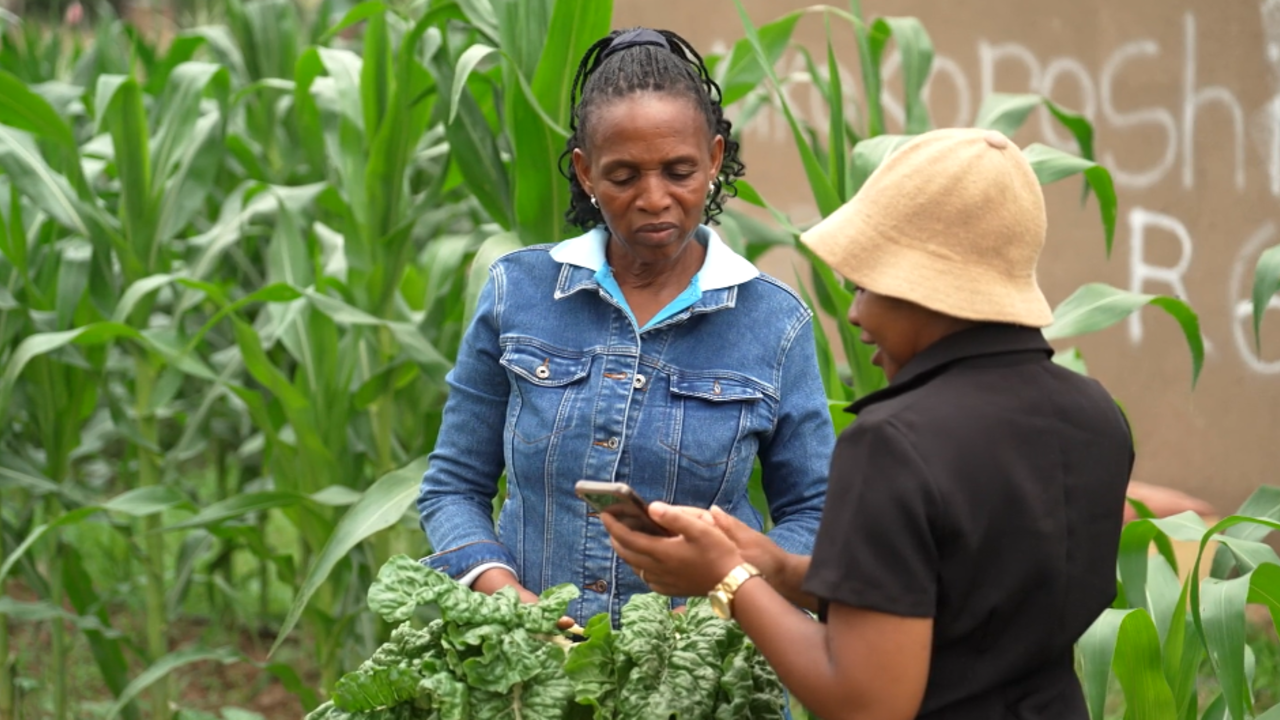
Agriculture, a vital sector for many African economies, is also experiencing significant changes due to AI advancements. According to a report by IBM, the agricultural sector in Nigeria is projected to benefit from AI technologies that predict weather patterns and optimize crop yields. Farmers can now access tailored information that helps them make informed decisions, ultimately increasing productivity and reducing waste.
For instance, AI-powered tools are allowing farmers to monitor soil health and moisture levels in real time. This technology enables them to apply fertilizers and water more efficiently, thereby maximizing crop output. It is estimated that by adopting such technologies, the agricultural sector could contribute an additional $1.5 billion to the African economy by 2025.
Furthermore, the integration of AI in supply chain management is helping to reduce post-harvest losses, which have historically plagued the continent. By improving logistics and distribution networks, AI is facilitating better market access for farmers.
Economic Growth and Future Prospects
The overall economic impact of AI in Africa is substantial, with its potential to create jobs and stimulate growth. The United Nations has emphasized the importance of developing a digital economy to support sustainable development goals. As the continent continues to invest in technology and infrastructure, the adoption of AI is expected to play a critical role in shaping future economic landscapes.
In addition to healthcare and agriculture, sectors such as finance and education are also beginning to leverage AI solutions. Financial institutions are using AI to enhance fraud detection and streamline customer service, while educational platforms are employing AI to provide personalized learning experiences.
As Africa moves forward, the collaboration between governments, private enterprises, and international organizations will be essential. By fostering an environment that encourages innovation and investment, the continent can harness the full potential of AI to drive sustainable development and improve the quality of life for millions.
In conclusion, Africa’s embrace of AI signifies a pivotal moment in its trajectory toward modernization and economic advancement. With strategic investments and collaborative efforts, the continent is well-positioned to overcome existing challenges and pave the way for a brighter future.