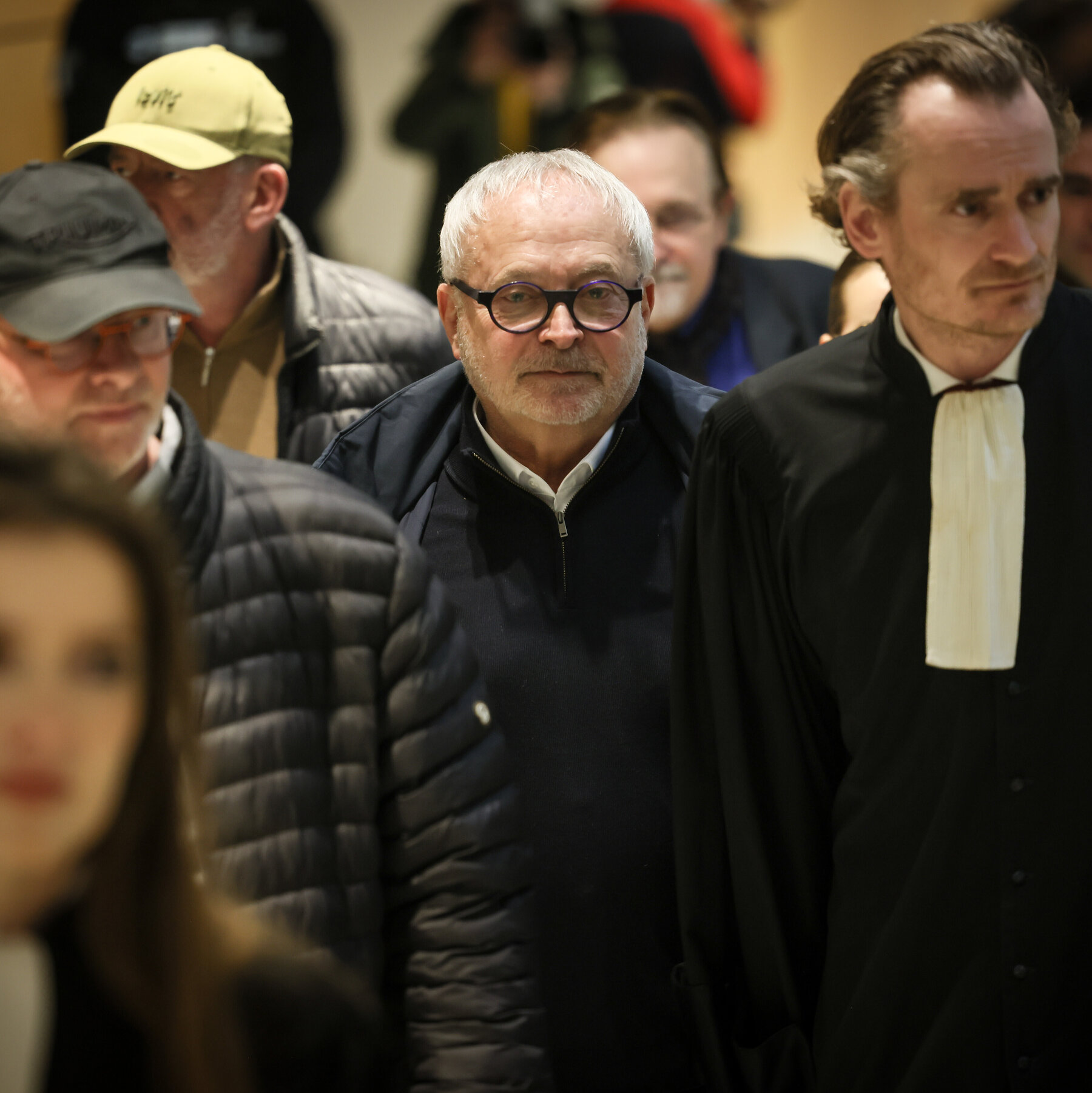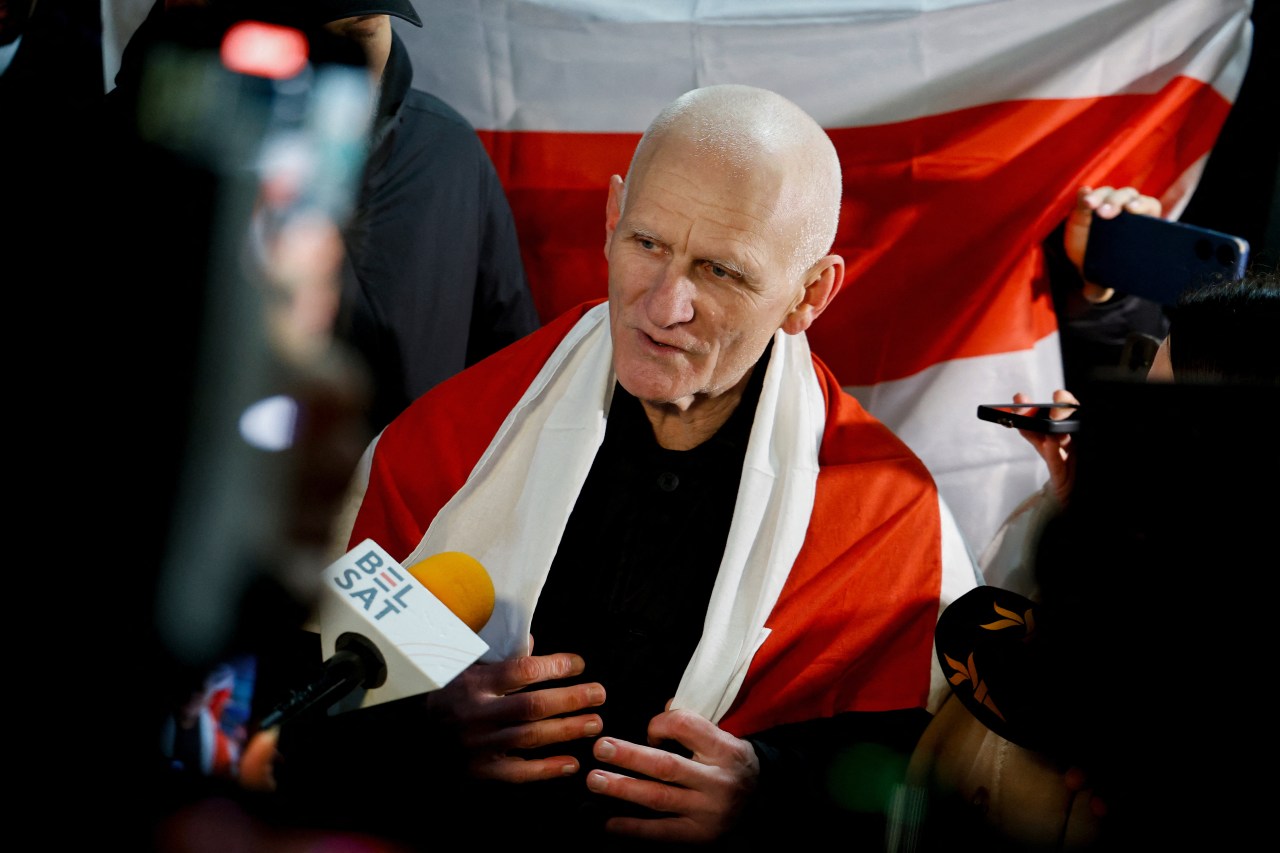
The Belarusian government has released prominent political prisoners, including Nobel Prize winner Ales Bialiatski, following a recent easing of sanctions by the United States. This development marks a significant shift in the relationship between Washington and Minsk, which has been tense in recent years due to human rights concerns and political repression.
Ales Bialiatski, a human rights advocate and co-founder of the Viasna Human Rights Centre, was imprisoned in 2021 after leading protests against the government of President Alexander Lukashenko. His detention was widely condemned internationally, sparking calls for his release from various human rights organizations and foreign governments.
In September 2023, the U.S. administration announced a relaxation of some sanctions aimed at Belarus, citing the need for constructive dialogue and engagement with the Lukashenko regime. This decision coincided with a broader strategy to encourage democratic reforms in the country. The easing of sanctions included the removal of restrictions on certain sectors, which could potentially lead to increased trade and investment opportunities.
Political Implications of the Release
The release of political prisoners, particularly figures like Bialiatski, has been seen as a gesture of goodwill by the Belarusian authorities. Analysts suggest that this move may be an attempt to improve the country’s international image and facilitate better relations with Western nations.
“The release is a positive step, but the overall situation in Belarus remains concerning,” said Marie Struthers, Director of Eastern Europe and Central Asia at Amnesty International. “Real change requires a commitment to protect human rights and democratic freedoms, not just the release of select prisoners.”
As part of the sanctions easing, the European Union has also indicated a willingness to reassess its approach towards Belarus, potentially opening doors for diplomatic engagement. However, critics remain skeptical about the sincerity of the Belarusian government’s intentions.
Public Reaction and Future Outlook
The public reaction to the releases has been mixed. Many in Belarus celebrate the freedom of political prisoners, viewing it as a potential turning point for the nation’s political landscape. Others, however, express caution, fearing that the government may use these moves as a façade to obscure ongoing repression.
The international community is closely monitoring the situation. The Biden administration stated that it remains committed to supporting the Belarusian people in their quest for democracy while emphasizing that any further easing of sanctions will depend on the government’s actions regarding human rights.
With the political climate in Belarus continually evolving, the coming months will be critical in determining whether this gesture leads to substantive changes in governance or if it is merely a temporary tactic by the regime to alleviate international pressure. The spotlight remains on both the Belarusian government and the global community as they navigate this complex relationship.