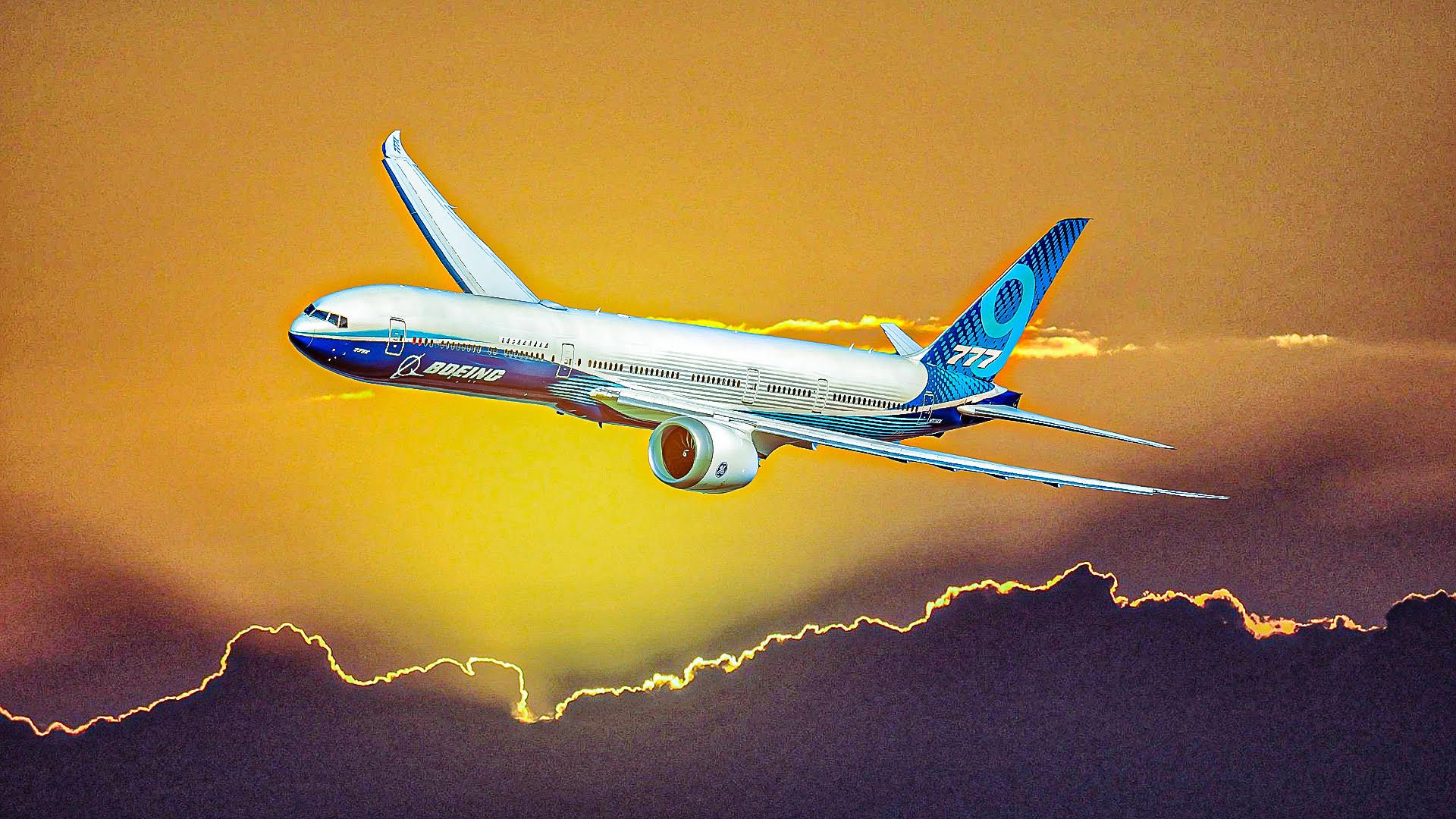
The General Electric GE9X has officially been recognized as the largest aircraft engine ever constructed. Designed specifically for the Boeing 777X, this advanced engine builds on the successful GE90, which powers the existing Boeing 777 fleet. With the anticipated entry into commercial service, the GE9X represents a significant leap in aviation technology, promising to deliver substantial improvements in fuel efficiency and performance.
Overview of the GE9X Engine
The GE9X is a high-bypass turbofan engine developed by General Electric Aerospace for the Boeing 777X series. Ground tests commenced in 2016, followed by its first flight test in 2019 aboard a Boeing 747-400, the only aircraft capable of supporting such a massive engine. The GE9X achieved certification by late 2019, paving the way for the 777-9 variant’s inaugural flight in January 2020.
This engine’s dimensions are truly remarkable. With a diameter of 161 inches, it surpasses even the fuselage of the Boeing 737. The fan itself, comprised of 16 composite blades, measures 134 inches across. Weighing in at 21,230 lbs, the GE9X employs advanced materials, including ceramic-mix composites, making it relatively lightweight for its size. Its design boasts a bypass ratio of 10:1 and a compression ratio of 60:1, leading to a fuel efficiency improvement of 10% over its predecessor, the GE90.
Engine Performance and Sustainability
The GE9X is capable of producing an impressive 110,000 lbf of thrust, thanks to its large diameter, which allows more air to bypass the turbines. This design strategy enhances fuel efficiency by extracting more power from the same fuel volume compared to smaller engines. Additionally, higher combustion temperatures enable greater energy output from the fuel, aligning with the aviation industry’s increasing focus on sustainability.
As the quest for greener technologies continues, the GE9X’s efficiency positions it as a strong contender in the market. It surpasses the Rolls-Royce Trent XWB in power, combining performance with environmental responsibility.
The Boeing 777X and Its Market Impact
When it enters commercial service, the Boeing 777X will become Boeing’s flagship widebody aircraft, offered in two variants: the 777-8 and the 777-9. The latter has garnered significant interest from airlines worldwide. Boeing aims for the 777X to serve as a modern replacement for older 777 models while also providing a more fuel-efficient alternative to the Boeing 747.
Despite the excitement surrounding the 777X, the project has faced numerous delays, with deliveries now expected to begin in 2027, significantly behind the initial schedule. This delay has led to growing frustration among key customers, including Emirates, the largest operator with an order of 270 aircraft, comprising 35 777-8s and 235 777-9s.
Responding to these concerns, Justin Hale, Boeing’s Customer Leader for 777Xs and Freighters, emphasized the company’s commitment to maintaining open lines of communication with its clients. He noted that Boeing engages with customers regularly to update them on progress and certification efforts.
The 777X’s current order book reflects strong demand, particularly from major operators like Emirates, Qatar Airways, and Singapore Airlines. Additional airlines such as Lufthansa, British Airways, and Cathay Pacific have also placed substantial orders, suggesting a robust future for the aircraft.
As the aviation industry navigates challenges and shifts towards sustainability, the GE9X and Boeing 777X are poised to play a crucial role. The combination of advanced engineering, performance enhancements, and a focus on environmental impact positions Boeing to reclaim its status in the competitive widebody aircraft market.
All eyes will be on Boeing as it strives to deliver the 777X by 2027, as the success of this ambitious project could redefine the landscape of modern aviation.