Tensions between China and Japan escalated significantly as Beijing imposed a ban on exports to Japan of materials that could be used for military purposes. This decision, announced by the Ministry of Commerce on August 30, 2023, marks a notable intensification of an ongoing dispute centered around the issue of Taiwan, which has long been a point of contention in Sino-Japanese relations.
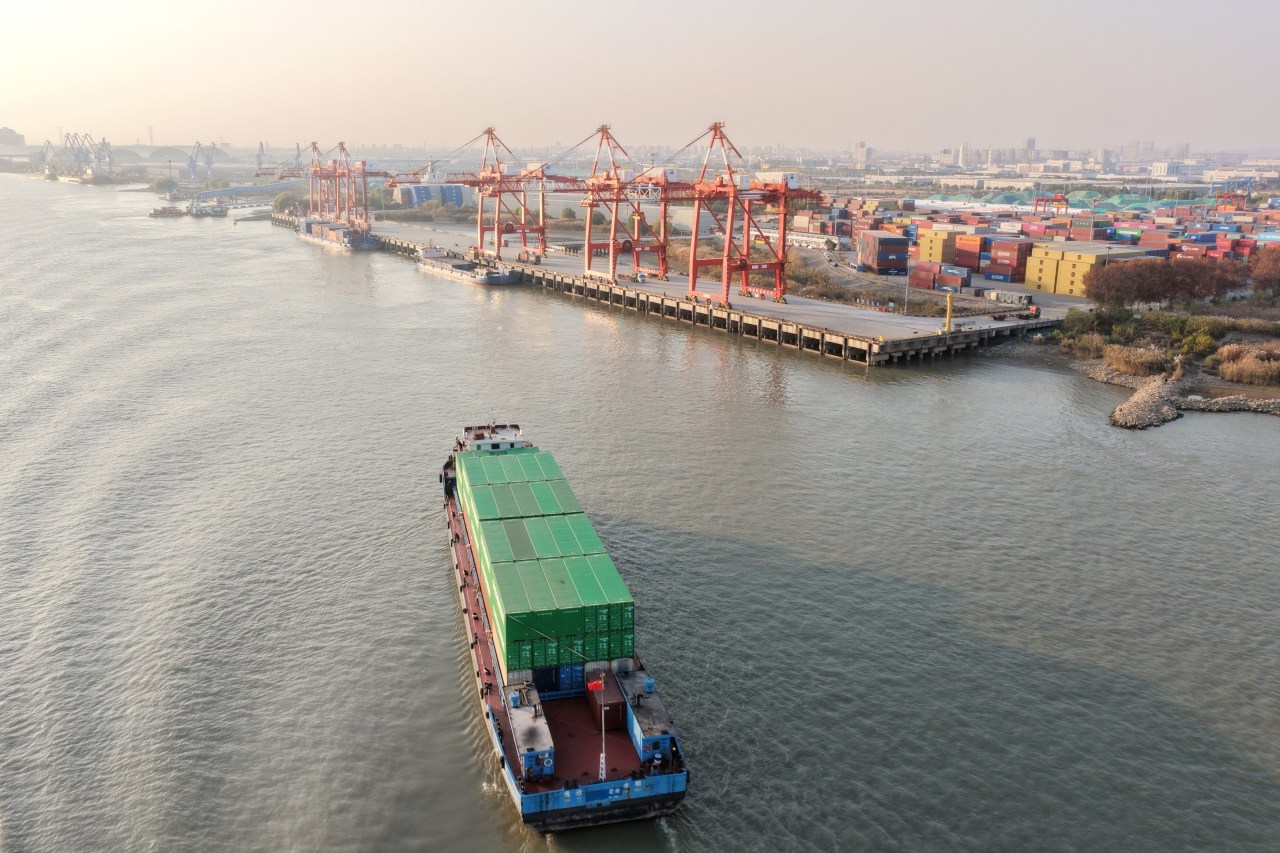
The ban specifically targets a range of strategic materials, including certain metals and chemicals. These materials are essential for various military applications, including the manufacturing of advanced weaponry. The Chinese government has cited national security concerns as the primary reason for these restrictions, indicating a shift in its trade policies aimed at controlling the flow of sensitive technologies.
Impact on Bilateral Relations
This move is likely to have far-reaching implications for diplomatic relations between China and Japan. The two countries, which share a complicated history, have been engaged in a delicate balancing act as they navigate their economic ties while addressing security concerns. Japan’s reliance on imports for critical materials makes it particularly vulnerable to such export restrictions.
The timing of the ban is also significant, coinciding with a period of heightened military activity in the Taiwan Strait. China’s assertiveness regarding Taiwan has prompted regional partners, including Japan, to bolster their defenses. In response to China’s military maneuvers, Japan has announced plans to increase its defense budget and enhance military capabilities, further straining relations.
Following the announcement, a spokesperson for the Japanese government expressed deep concern over the export ban, stating that it undermines regional stability and cooperation. The spokesperson emphasized the importance of dialogue between the two nations to resolve such disputes amicably.
Broader Implications for Trade and Security
The export ban is part of a broader pattern of increasing trade tensions between China and Japan, which have included disputes over various agricultural and technological products. As both countries are major players in global supply chains, the repercussions of this ban may extend beyond their bilateral relationship, potentially impacting international markets.
Economic analysts suggest that Japan may seek alternative sources for the restricted materials, which could lead to increased production costs and delays in military and technological advancements. Furthermore, this situation may prompt Japan to strengthen alliances with other nations to secure its supply chains, particularly in the context of rising geopolitical tensions.
The situation remains fluid, and both governments will need to navigate these challenges carefully. As China continues to assert its influence in the region, the international community is closely monitoring developments in Sino-Japanese relations, recognizing that the outcomes could have significant implications for global security and trade dynamics.