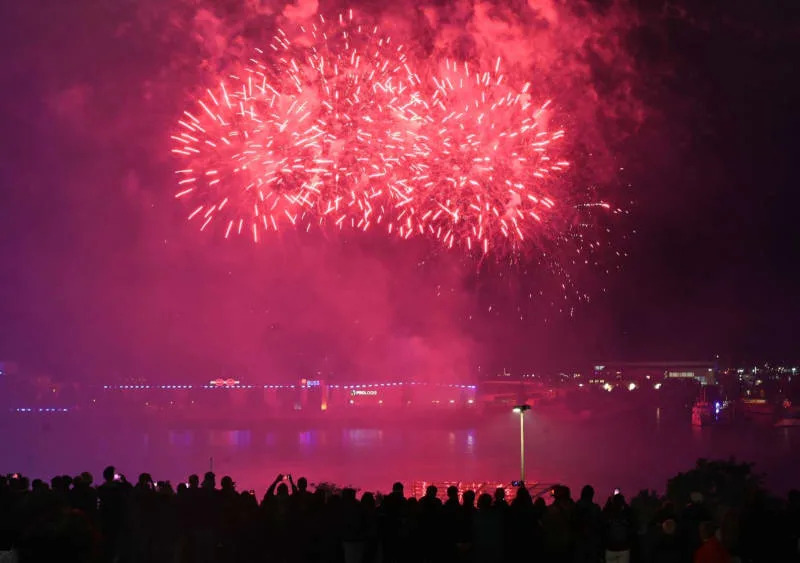
Demand for fireworks in Germany is increasing ahead of the upcoming New Year’s Eve celebrations, despite ongoing concerns regarding safety and environmental impact. The country’s largest fireworks manufacturer, WECO, reported a 10% increase in the availability of rockets, firecrackers, and other pyrotechnics compared to the previous year. Another major manufacturer, COMET, confirmed a moderate rise in supply, with industry experts from the German Association of the Pyrotechnics Industry anticipating further growth across the sector.
Fireworks will be available for sale in Germany from December 29 to 31, allowing consumers to purchase their preferred pyrotechnics for the New Year’s festivities. Notably, WECO stated that the return rate for unsold items last year was lower than expected, indicating robust consumer interest. Despite producing only 15% of the fireworks it sells, WECO’s sales revenue reached over €136 million (approximately $160 million) in the 2023-24 financial year.
Trends in the industry show a shift towards combined fireworks displays. Klaus Gotzen, head of the pyrotechnics sector association, noted a rise in popularity for products that feature a single fuse igniting multiple fireworks, creating extended displays lasting several minutes. This innovation aligns with the festive spirit many associate with ringing in the New Year.
While demand for fireworks grows, there is a vocal opposition driven primarily by animal welfare and environmental advocates. Critics argue that the noise and chaos of fireworks contribute to stress for wildlife, particularly birds, who expend critical energy reserves during the winter. Celebrations in urban areas, such as Berlin, have been likened to scenes from a war zone due to the intensity of fireworks displays. Environmentalists also highlight the litter and waste generated by these celebrations.
The debate over the future of fireworks in Germany is further complicated by differing opinions among regional leaders. The interior ministers of the country’s 16 states have yet to reach a consensus on a potential ban on private fireworks displays. Recently, a court overturned a ban on such displays on the German North Sea island of Föhr, emphasizing the contentious nature of the issue.
Supporters of fireworks, including the GdP police union, have expressed concern about safety, citing an increase in incidents where officers face attacks involving fireworks. In response to the growing demand, WECO’s head of sales, Oliver Gerstmeier, contended that the rising interest in fireworks indicates that a significant majority of the population does not support a ban. “Ringing in the New Year with a colourful firework is a beautiful thing for many people,” he stated, urging respect for traditional celebrations rather than ongoing discussions about restrictions.
As the New Year approaches, the fireworks industry remains a vibrant aspect of German culture, with many hoping to see the skies illuminated in a display of color and light. The ongoing dialogue surrounding safety and environmental concerns will continue to shape the future of fireworks in Germany, as both sides present their cases to the public and policymakers alike.