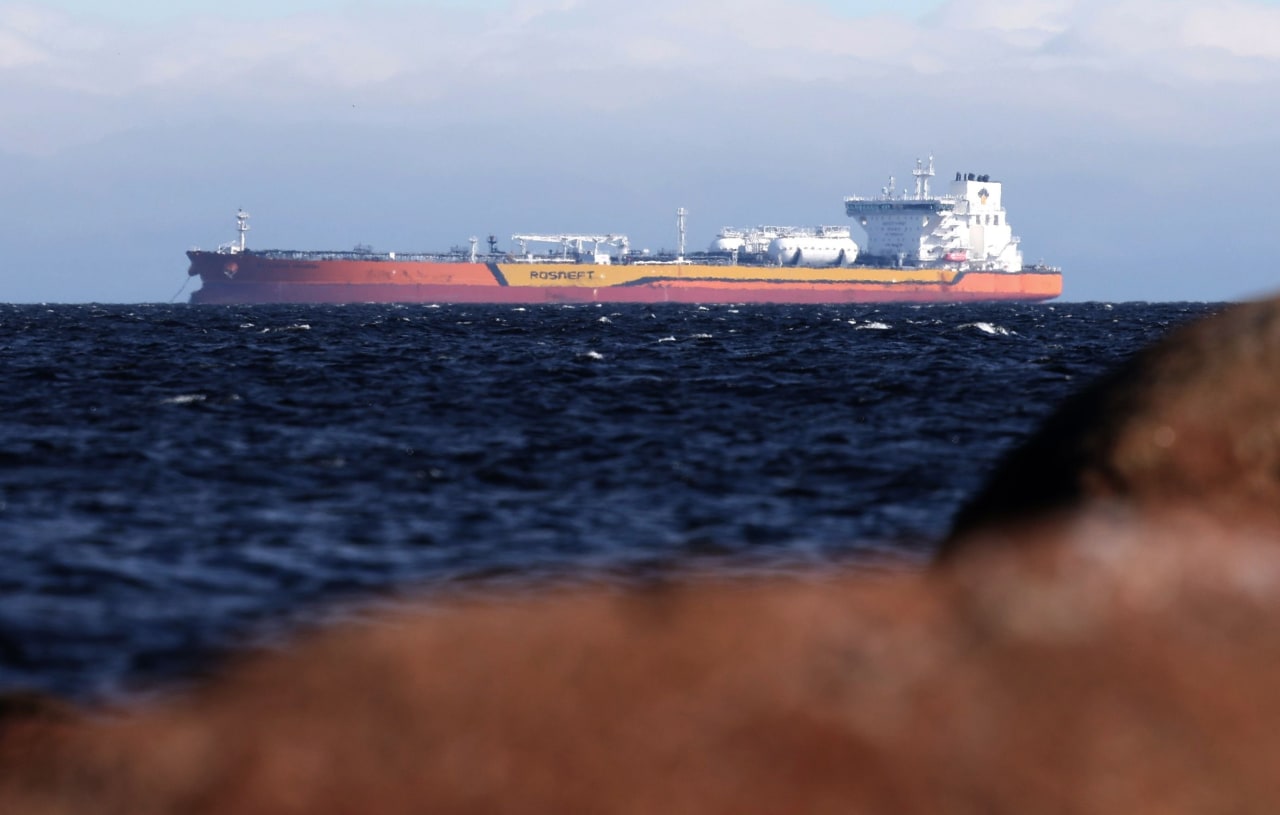
The European Union has imposed significant sanctions on two prominent traders in the Russian oil sector, directly impacting the clandestine market that has financed Moscow’s ongoing military efforts in Ukraine. This move marks a decisive action by the bloc as it intensifies efforts to curb revenue streams supporting the conflict.
These sanctions were officially announced on September 30, 2023, as part of the EU’s broader strategy to hold accountable those involved in the Russian oil trade. The targeted traders, whose identities have not yet been disclosed, are believed to play a crucial role in facilitating oil exports that circumvent existing restrictions.
Impact of Sanctions on the Oil Trade
The actions taken by the EU aim to disrupt a network that has reportedly generated billions of euros for Russia since the onset of the war. According to a report from the European Commission, the clandestine oil market has been instrumental in sustaining the Russian economy amid international sanctions. The commission estimates that the current sanctions could diminish Russian oil revenues by up to €2.8 billion annually, significantly hampering Moscow’s ability to finance its military operations.
Industry experts suggest that these sanctions will create ripple effects throughout the global oil market. Traders may face increased difficulty in sourcing Russian oil, leading to potential price fluctuations. As major economies seek to reduce their dependence on Russian energy, alternative suppliers are being explored. This situation creates both challenges and opportunities within the energy sector.
Response from the Russian Government
In response to the EU’s measures, Russian officials have condemned the sanctions as an unwarranted attack on the nation’s economy. The Kremlin has characterized these actions as part of a larger campaign to undermine Russia’s sovereignty and disrupt its market access. A spokesperson for the Russian government stated, “Such sanctions only serve to deepen the divide and will not yield the intended results.”
Despite the pushback, the EU remains steadfast in its commitment to support Ukraine. The bloc has pledged to provide additional military and financial aid to bolster Ukraine’s defenses against the ongoing aggression.
The recent sanctions reflect a significant escalation in the economic pressure being applied to Russia. As international consensus continues to build against the war, the EU is poised to take further steps if necessary. The situation highlights the complex interplay between international relations, energy security, and global economic stability.
These developments underscore the challenges faced by the Russian oil industry as it navigates a landscape increasingly shaped by sanctions and geopolitical tensions. The full impact of the EU’s strategy will take time to manifest, but it signals a concerted effort to weaken the financial underpinnings of Russia’s military engagement in Ukraine.