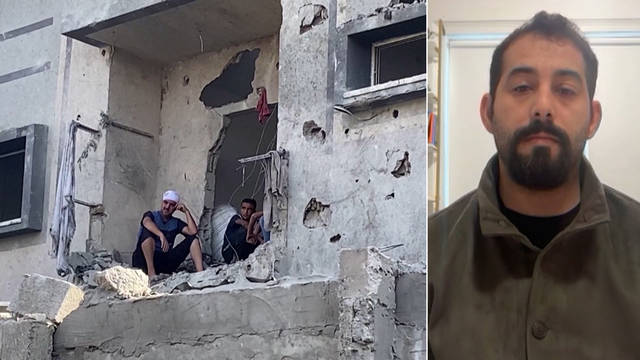
In a recent conversation, Palestinian poet and author Mosab Abu Toha expressed his deep concerns regarding the ongoing humanitarian crisis in Gaza, characterizing the situation as “genocide” despite a so-called ceasefire that began in October 2023. Abu Toha’s remarks come in the wake of a study published in The Lancet, revealing that the death toll from the conflict has significantly exceeded earlier estimates, with over 75,000 violent deaths reported in the first 16 months of Israel’s military actions.
The poet highlighted the dire circumstances faced by the people of Gaza, where basic necessities such as water and food remain scarce. Many families continue to live in makeshift tents, struggling to survive amid the rubble of their homes. Abu Toha emphasized that the humanitarian situation remains critical, with ongoing violence resulting in the deaths of civilians, including children. He noted that since the ceasefire was put in place, over 642 individuals have been killed, among them 197 children.
Abu Toha, who was awarded the 2025 Pulitzer Prize for his essays published in *The New Yorker*, left Gaza with his family in 2023 following his imprisonment and mistreatment by Israeli forces. He conveyed his frustration regarding the international community’s response to the crisis, particularly in relation to comments made by U.S. officials, including former Arkansas Governor Mike Huckabee. Huckabee suggested that Israel has a biblical right to expand its territory, a claim that Abu Toha firmly rejected.
In his discussion, Abu Toha remarked, “As a Palestinian, I don’t belong to anywhere else than Palestine. My grandparents were living in Jaffa in 1948 before they were expelled.” He underscored the deep historical connection Palestinians have to the land, asserting that their identity is intertwined with it.
The conversation also touched on the severe healthcare crisis affecting Gaza. A significant number of patients, including those with cancer and children requiring urgent medical attention, are unable to access necessary treatments due to the ongoing conflict. Abu Toha reported that approximately 20,000 patients are in urgent need of evacuation, but only a small fraction are receiving the help they require. Tragically, he noted that over 3,300 individuals have died while waiting for clearance to leave Gaza.
The poet’s sentiments reflect a growing frustration with the international community’s inaction. He criticized the disparity between the humanitarian needs of Gazans and the limited aid being provided. Data from the Gaza Rights Center indicated that Israel allowed only 43% of the food trucks needed under the ceasefire agreement, with just 15% of the fuel trucks allowed to enter.
Abu Toha’s powerful words resonate as a call for justice and recognition of the ongoing struggles in Gaza. He urged international leaders to prioritize humanitarian aid over military actions and called for adherence to United Nations resolutions that demand an end to the occupation of Palestinian territories.
As discussions continue regarding the future of Gaza, he expressed a desire for a world that recognizes the humanity of all people, regardless of their nationality or background. “Instead of raising money to rebuild Gaza, we need to stop sending bombs that destroy our homes and lives,” he concluded, encapsulating the urgent need for a shift in the narrative surrounding the conflict.
This ongoing crisis highlights the complexities of the Israeli-Palestinian conflict and the pressing need for a resolution that addresses the humanitarian needs of those affected. The voices of individuals like Mosab Abu Toha are critical in bringing attention to the realities faced by Palestinians in Gaza and advocating for their rights on the world stage.