At the 2025 Dubai Airshow, General Atomics Aeronautical Systems President David Alexander addressed the increasing global demand for Collaborative Combat Aircraft (CCA) and outlined the company’s strategic plans for the MQ-9 drone family. His remarks underscored the growing interest in unmanned aerial vehicles, particularly in the Middle East and Europe.
During the event, Alexander highlighted that the market for CCAs is expanding rapidly, driven by advancements in technology and evolving defense needs. The company’s focus on enhancing the capabilities of the MQ-9 drones aims to meet these demands effectively. Alexander noted that the MQ-9, known for its versatility and operational effectiveness, is at the forefront of this evolution in military aviation.
Strategic Developments and Market Growth
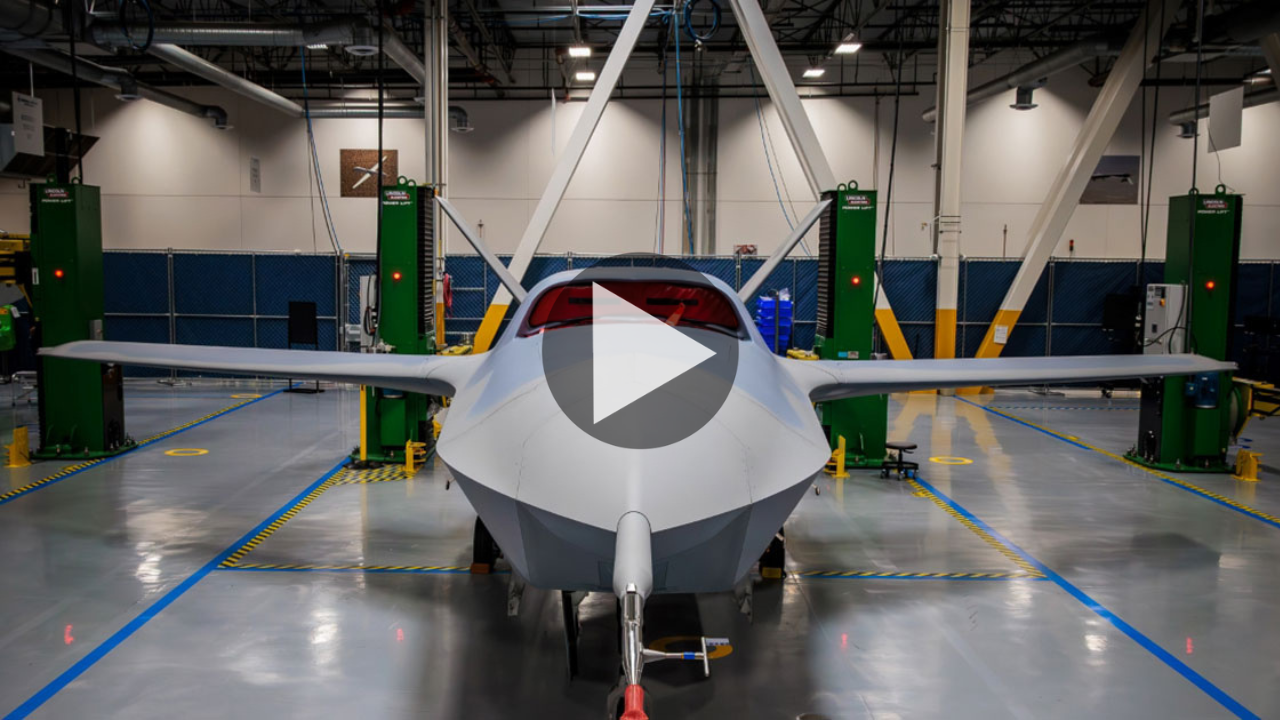
General Atomics has been proactive in adapting its offerings to cater to a diverse set of international clients. The company is keen on introducing new variants of the MQ-9 drone that incorporate advanced technologies. These enhancements are designed to improve performance in various operational environments, thereby increasing the aircraft’s appeal to military forces globally.
According to Alexander, the interest in CCAs is not limited to a specific region; rather, it reflects a broader trend across multiple countries seeking to strengthen their defense capabilities. This demand is indicative of a shift in military strategies that increasingly rely on unmanned systems for intelligence, surveillance, and reconnaissance missions.
In the context of the Middle East, Alexander emphasized the importance of building partnerships with regional allies. He pointed out that the growing market in this area is critical for General Atomics, as nations invest in modernizing their military fleets to address contemporary security challenges.
Future Prospects and Industry Insights
The insights shared by Alexander are part of a broader conversation about the future of military aviation. As defense budgets increase and technological capabilities advance, the demand for drones like the MQ-9 is expected to rise significantly. The ability to conduct operations remotely and with precision is making unmanned systems an essential component of modern warfare.
In the interview conducted by Agnes Helou, Middle East Bureau Chief for Breaking Defense, Alexander provided a comprehensive overview of General Atomics’ strategic direction. He articulated the company’s commitment to innovation and responsiveness to the needs of its clients.
As the global defense landscape evolves, General Atomics is well-positioned to capitalize on emerging opportunities in the CCA market. The company’s focus on developing advanced variants of the MQ-9 and fostering relationships in key regions illustrates its dedication to remaining a leader in unmanned aerial technology.
The insights from the Dubai Airshow reiterate the significance of adapting to changing market dynamics while maintaining a strong emphasis on technological advancements. With countries increasingly prioritizing defense modernization, the future looks promising for General Atomics and the unmanned systems industry as a whole.