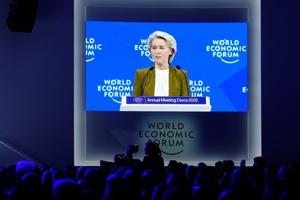
Corporate leaders and government officials have convened in Davos, Switzerland, for the annual World Economic Forum, which runs from January 22 to January 25, 2024. The gathering brings together influential figures from around the globe, including U.S. President Donald Trump. This year, discussions are focused on pressing economic issues, notably the potential for new trade tariffs that could significantly impact global markets.
Participants at the forum are addressing a variety of topics, including climate change, economic inequality, and technological innovation. However, looming over these discussions is the threat of increased tariffs announced by the Trump administration. These tariffs, particularly concerning trade with Greenland, have sparked concerns among business leaders and government officials alike about the potential disruption to international trade relations.
The World Economic Forum serves as a platform for dialogue between the private and public sectors. Leaders are expected to share insights on how to navigate the complexities of current global economic challenges. The presence of President Trump adds weight to the discussions, as his administration’s policies have significant implications for international trade.
In recent weeks, the U.S. has indicated a willingness to impose tariffs on goods from Greenland, citing national security concerns and trade imbalances. These proposed tariffs could amount to billions of dollars, affecting a wide range of industries. Corporate executives are particularly anxious about how these tariffs may alter supply chains and increase costs for consumers.
The discussions in Davos are not just about immediate economic concerns. They also aim to foster long-term cooperation among nations. Leaders are expected to explore strategies for sustainable economic growth that balances environmental considerations with the need for job creation.
As the forum progresses, the interplay between U.S. trade policy and international relations will be a focal point. Many attendees are eager to hear if President Trump will provide further clarity on his administration’s plans regarding tariffs and trade.
In addition to trade issues, the participants are also focusing on the importance of innovation in driving economic growth. The rapid advancement of technology is reshaping industries and creating new opportunities. Leaders are discussing how to harness these advancements while ensuring that the benefits are broadly shared.
The World Economic Forum has long been a venue for addressing significant global challenges. This year’s edition is particularly critical as the world grapples with economic uncertainty and shifting trade dynamics. With President Trump in attendance, the outcomes of this forum could have far-reaching implications for international trade practices and economic policy.
As the event unfolds, stakeholders will be closely monitoring the discussions for any commitments or changes to U.S. trade policy that could emerge from this high-profile gathering. The decisions made at Davos may not only influence the business landscape but could also shape the future of global economic relations.