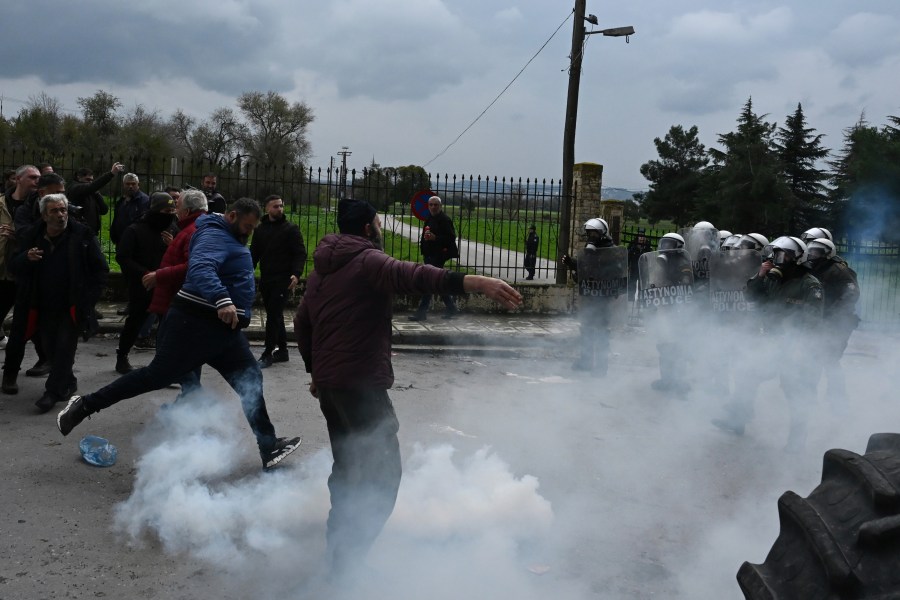
Farmers in Greece clashed with police on November 3, 2023, as they attempted to block the main access road to the international airport in Thessaloniki. Riot police responded by firing tear gas to disperse the protesters who were angered by delays in the payment of agricultural subsidies backed by the European Union.
The demonstration was part of a series of escalating protests that have seen thousands of farmers mobilizing across the country. Many have deployed tractors and other agricultural vehicles, not only at the airport but also at key border crossings, to voice their frustrations over the financial support that they claim has been insufficiently provided.
Protests Spread Across the Country
The situation in Thessaloniki reflects a broader discontent among the agricultural community in Greece, where farmers have been struggling with rising operational costs and stagnant prices for their products. According to reports, farmers argue that the delays in subsidy payments have exacerbated their financial stress, leading to a sense of urgency in their protests.
As tensions grew, authorities prepared for a potential escalation of the situation. The police deployed additional units to maintain order, while farmers remained resolute in their demands. “We need these payments to survive,” said a farmer from the region, highlighting the dire circumstances faced by many in the agricultural sector.
The protests have drawn attention to the ongoing challenges within the Greek agricultural system, which has been under pressure from various economic factors, including inflation and competition from abroad.
Government Response and Future Implications
In response to the unrest, government officials have acknowledged the issue and have committed to expediting the processing of subsidy payments. The Ministry of Rural Development stated that they are working closely with the European Union to address the delays and ensure that farmers receive the financial assistance they require.
As the situation develops, the impact on local commerce and transport routes remains a concern. The blockade of major access points has the potential to disrupt both national and international travel, prompting calls for dialogue between the farmers and the government to find a resolution.
The clashes in Thessaloniki serve as a reminder of the challenges facing farmers not only in Greece but across Europe, where agricultural policies are increasingly scrutinized in light of economic pressures. As protests continue, the need for effective communication and support systems between farmers and authorities has never been more critical.
The outcome of this situation will likely have lasting implications for agricultural policy and the relationship between farmers and the government in Greece.