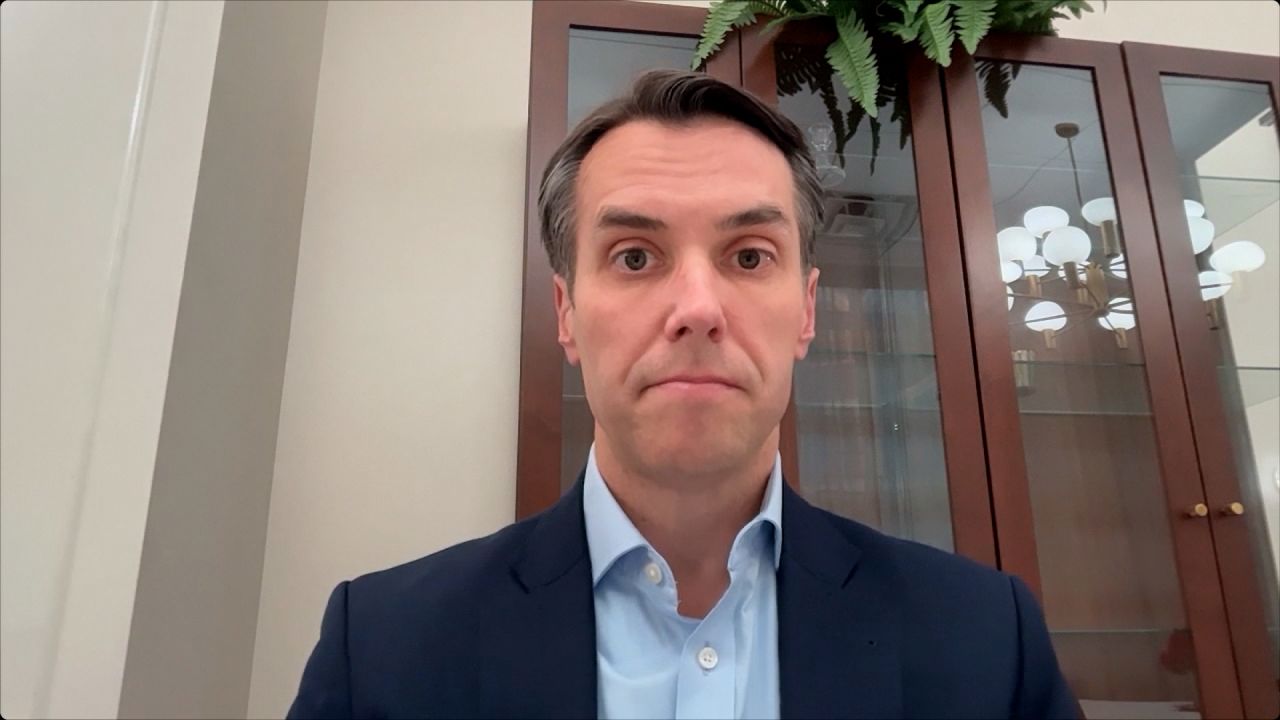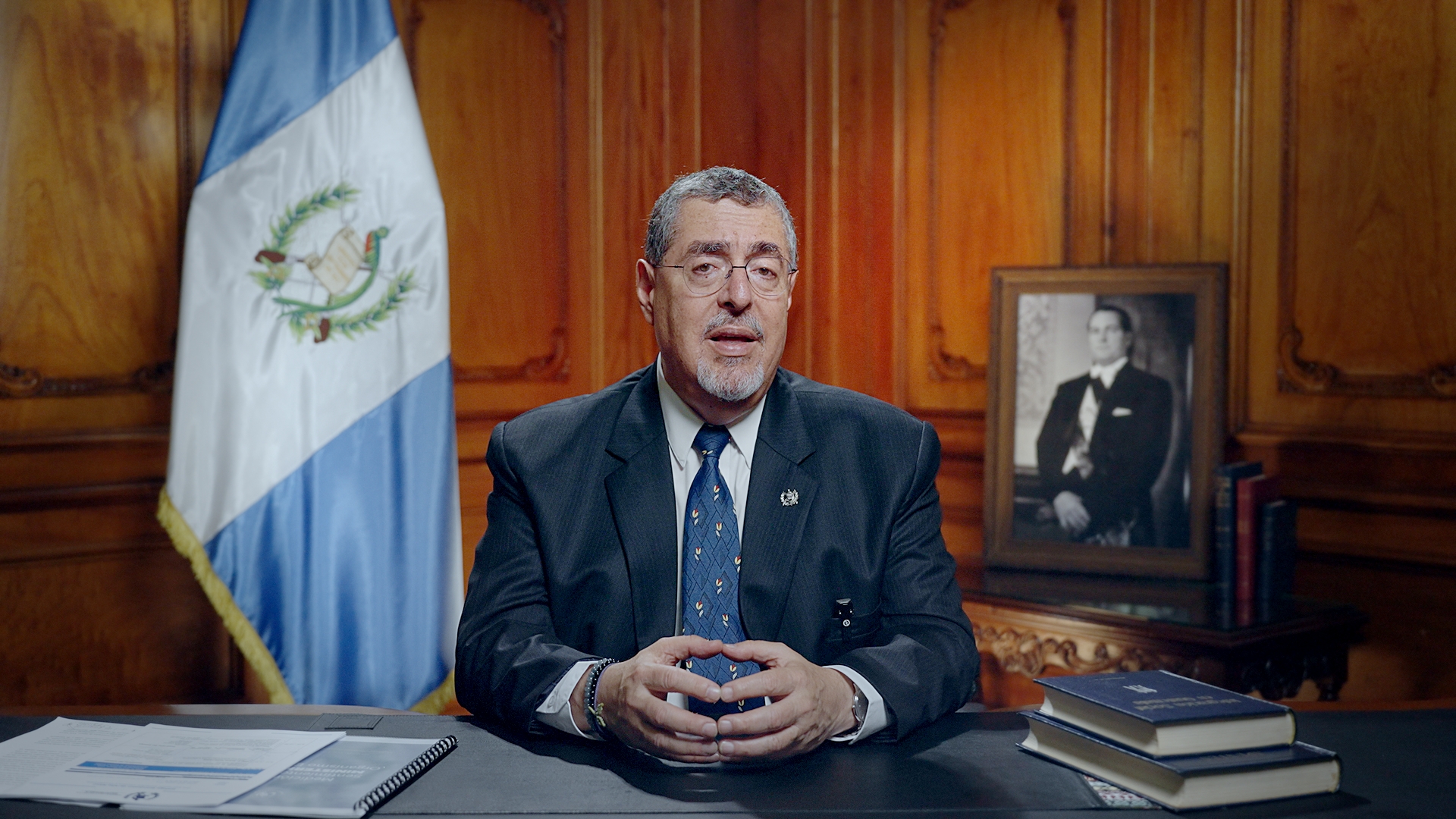
Guatemalan President Bernardo Arevalo declared a nationwide “state of siege” on January 15, 2025, in response to escalating gang violence that resulted in the deaths of nine police officers in the capital, Guatemala City. This 30-day measure, made unilaterally by the President, is currently pending congressional approval but will remain in effect until a decision is reached.
The recent violence is believed to be linked to gang retaliation following the state’s efforts to regain control of three maximum-security prisons. These facilities had been overtaken in a coordinated series of riots, during which over 40 guards were taken hostage. The unrest was reportedly triggered by incarcerated gang members losing certain privileges within the prison system. Fortunately, no deaths or injuries were reported during the retaking of the prisons.
Context of the Crisis
The state of siege allows for the temporary suspension of certain constitutional rights when civilian capabilities are deemed insufficient to address internal disorder. Since taking office, the Arevalo administration has intensified its crackdown on gangs, particularly targeting the notorious groups MS-13 and Barrio 18. Both gangs have been designated as terrorist organizations by the governments of the United States and Guatemala.
In a firm stance against these gangs, Guatemala City has stated it will not engage in negotiations. This approach is reminiscent of the measures taken by El Salvador’s President Nayib Bukele, who declared a similar state of emergency in 2022 to combat gang violence. Bukele’s actions received approval from the U.S. government, which praised his administration’s tough stance on crime.
Impacts on Society and Security
The national response to the gang crisis has raised concerns among human rights organizations, which have criticized the police practices and judicial processes in Guatemala. David Boteo, the Director of the National Civil Police, has urged residents to remain indoors when possible. In addition, the Ministry of Education has suspended classes nationwide, reflecting the serious impact of the violence on everyday life.
As Guatemala grapples with this crisis, the government faces the challenging task of restoring order while ensuring the protection of civil liberties. The situation not only highlights the ongoing struggle against organized crime in the region but also raises questions about effective governance and human rights in the face of violence.
In summary, the state of siege in Guatemala marks a critical moment in the country’s fight against gang-related violence, with significant implications for its law enforcement and societal stability. The world will be watching closely as developments unfold in the coming weeks.