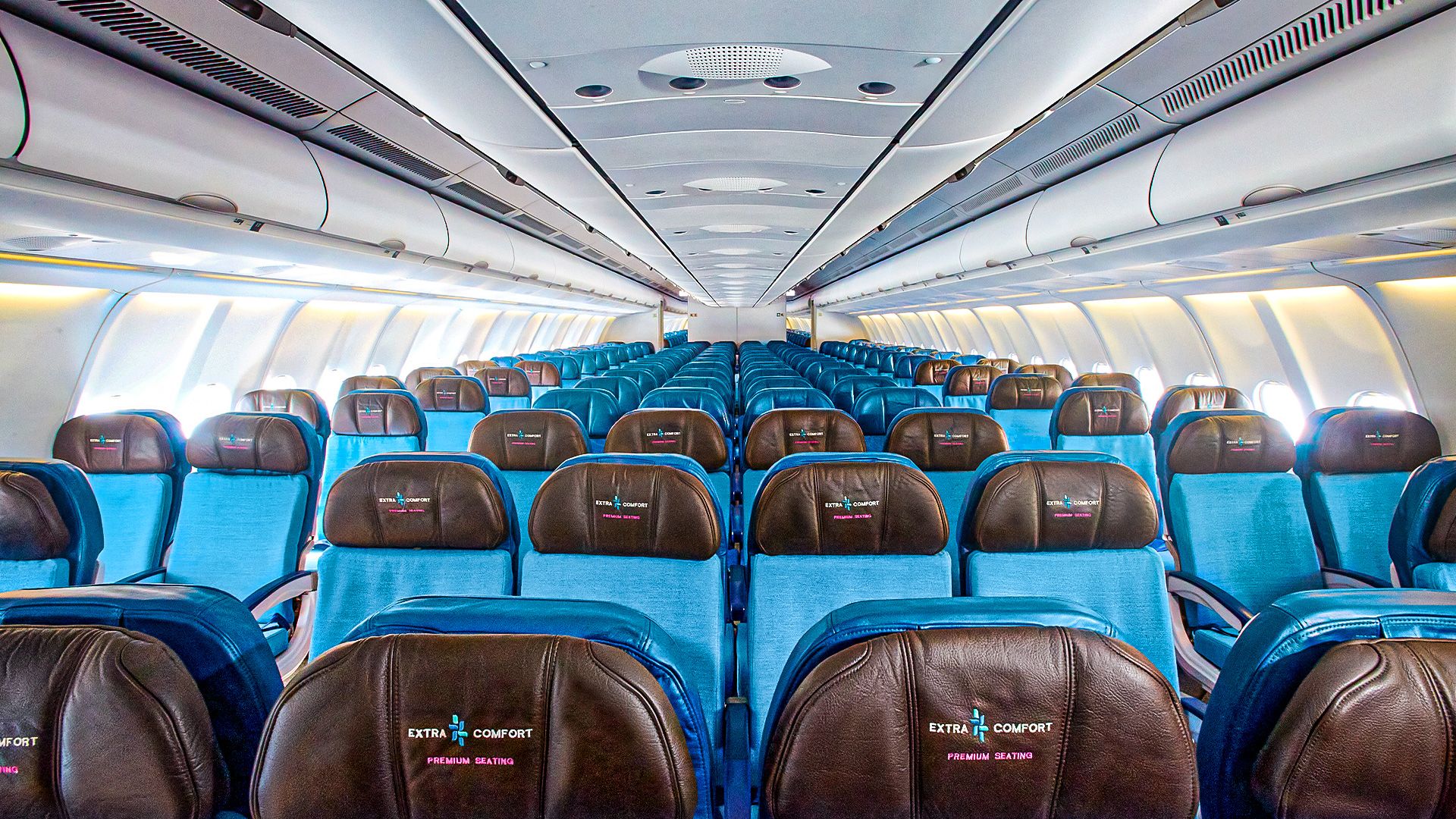
Hawaiian Airlines is set to introduce a premium economy cabin as part of a major overhaul to its fleet and service offerings. This strategic move comes after years of relying on Economy Comfort seats as a middle ground between economy and business class. The airline aims to enhance its competitive edge and cater to a growing demand for premium travel options.
Traditionally, Hawaiian Airlines has focused on providing a warm, hospitable experience tailored for leisure travelers heading to Hawaii. Until now, the airline has offered limited options in terms of cabin classes, with existing Economy Comfort seats serving as a placeholder rather than a distinct premium offering. These seats, while providing extra legroom, did not align with the expectations of a true premium economy experience, which has become increasingly popular in international travel.
Investment and Alliance Changes Drive New Offerings
The catalyst for this significant change is the Alaska Air Group’s investment program. According to company plans, a comprehensive interior retrofit of Hawaiian’s Airbus A330 fleet will commence in 2028, which includes the introduction of a dedicated premium economy cabin. This initiative aligns with Hawaiian’s upcoming membership in the one world alliance on April 22, 2026, a move that emphasizes the need for competitive service offerings in a global market where premium economy is gaining traction.
Hawaiian Airlines’ decision to develop a premium economy class responds to evolving customer preferences and market dynamics. The new cabin will feature four rows of wider, more comfortable recliner seats, signaling a shift from the existing Economy Comfort setup. Passengers can expect enhanced in-flight dining options along with a more refined onboard experience, differentiating it from the previous configuration.
Modernization Efforts and Market Demand
The airline’s current Airbus A330 business class, featuring a dated 2-2-2 configuration, has prompted the need for modernization. Hawaiian Airlines’ premium economy will likely adopt a 2-3-2 layout, following industry standards for international travel. This cabin design aims to provide additional legroom and a more luxurious seating experience, catering to travelers seeking comfort without the higher costs associated with business class.
As Hawaiian Airlines embarks on this retrofit journey, the timing is crucial. The Alaska Air Group’s plans include acquiring three additional Airbus A330s to support the evolving fleet’s role in trans-Pacific travel. The integration of premium economy seats is not merely a cosmetic upgrade; it is a strategic initiative designed to capture a market segment that desires enhanced service without the expense of business class.
The introduction of a dedicated premium economy cabin allows Hawaiian Airlines to better segment its customer base. This financial strategy targets vacationers and families who prefer a more comfortable travel experience than standard economy offers, while also appealing to price-sensitive passengers. The airline aims to reserve business-class inventory for high-yield travelers, thereby optimizing revenue across its routes.
Transitioning to this new cabin class represents not just an upgrade in seating but a comprehensive shift in Hawaiian Airlines’ product strategy. The airline will need to ensure effective marketing of this new offering to attract customers who may have previously overlooked its existing configurations.
In summary, Hawaiian Airlines’ upcoming premium economy cabin reflects a broader trend within the airline industry that prioritizes customer comfort and revenue generation. With significant investments planned and an imminent alliance with one world, Hawaiian Airlines is well-positioned to enhance its service offerings and compete effectively in the evolving travel landscape.