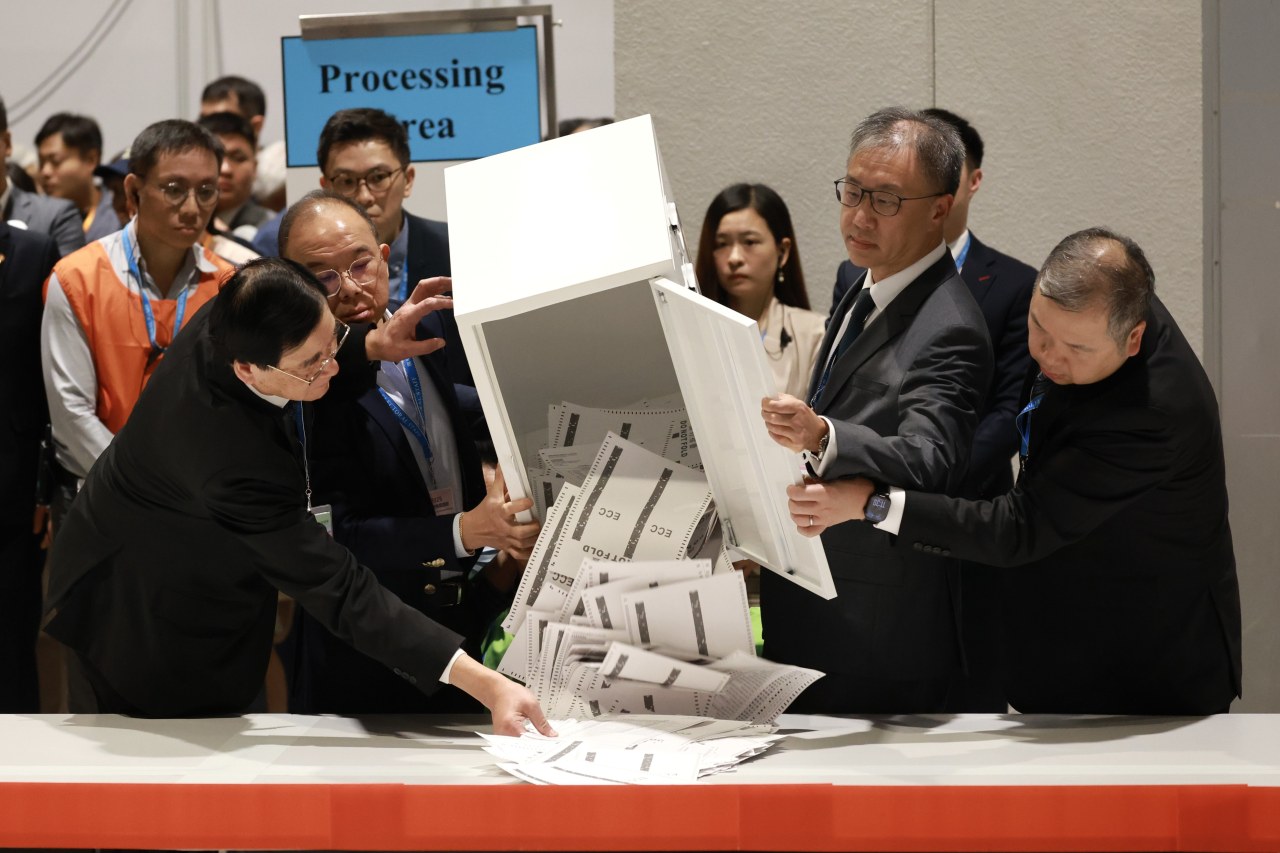
Voter turnout in the recent Hong Kong election remained disappointingly low, reaching just over 30 percent, as officials reported. This election, held on November 24, 2023, was characterized by a strict candidate vetting process, allowing only “patriots” approved by Beijing to stand for election. The limited pool of candidates and ongoing political tensions contributed to a lack of engagement among the electorate.
Despite a concerted get-out-the-vote campaign led by pro-government groups, the turnout figures reflect a continuation of the trend seen during the last Legislative Council elections in 2021, where participation also dipped to historic lows. The election featured a total of **1.49 million voters** across **14 districts**, yet many residents expressed frustration over the restricted choice of candidates.
Impact of Candidate Vetting on Voter Engagement
The *Election Affairs Commission* reported that the low turnout is indicative of the public’s discontent with the political landscape in Hong Kong. The stringent vetting process, implemented following changes to the electoral system in 2021, has limited electoral competition, leading many voters to feel disillusioned about the effectiveness of their participation.
Local analysts noted that the reduced candidate pool, comprising only those deemed loyal to the Chinese Communist Party, has significantly impacted voter morale. “The people feel their choices are limited to those who conform to the government’s ideals,” explained political analyst *Ming Wang*. “This has resulted in a lack of enthusiasm for the voting process.”
Additionally, the election was overshadowed by a recent deadly fire in a public housing estate that claimed multiple lives, further dampening the mood of the electorate. The incident heightened concerns regarding public safety and government accountability, leading some residents to prioritize immediate issues over participation in the electoral process.
Official Responses and Future Implications
In response to the low turnout, officials from the *Election Committee* expressed disappointment but emphasized the importance of civic duty. “Every vote matters and contributes to the democratic process,” stated *Alice Cheung*, a spokesperson for the committee. The government plans to launch further initiatives aimed at increasing voter engagement in future elections.
Critics, however, argue that without genuine electoral reform and a return to more inclusive candidate selection, Hong Kong’s political system will continue to face challenges in mobilizing public interest. As the city navigates its complex relationship with Beijing, the prospects for future elections remain uncertain.
The implications of this election extend beyond immediate voter turnout figures. Observers will be closely monitoring how these results may influence future governance and the relationship between Hong Kong and the central government in Beijing. With ongoing concerns about civil liberties and political representation, the path forward for Hong Kong’s electoral landscape remains fraught with challenges.