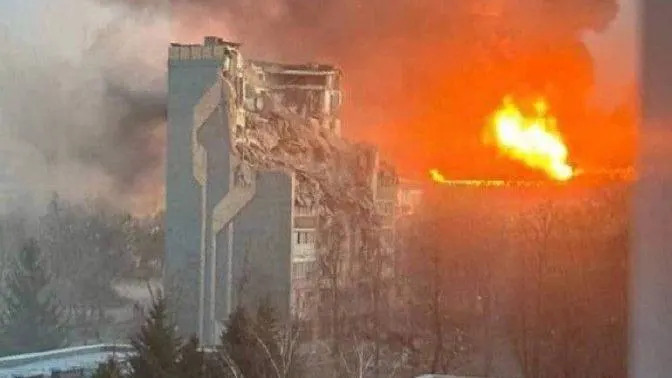
The ongoing conflict in Iran is significantly impacting global food prices, with concerns rising about the availability of essential fertilizers. Since the onset of hostilities on February 28, 2023, disruptions in the Strait of Hormuz have raised alarms for the agricultural sector. Approximately one-third of the world’s fertilizer ingredients, vital for crop production, pass through this critical maritime route. With Iranian military operations effectively shutting down shipping in the area, U.S. food prices may feel the effects soon.
The Strait of Hormuz is a crucial shipping chokepoint for both oil and fertilizer. Around 20% of global oil supplies transit through this narrow waterway. As tensions have escalated, at least three cargo vessels have faced direct attacks from Iranian forces, and fears have emerged regarding the potential planting of sea mines in the strait. As a result, shipping companies are avoiding the area, leaving hundreds of tankers stranded and unable to deliver vital supplies.
According to Joe Brusuelas, chief economist at RSM, the conflict poses a less recognized threat to the global food supply chain. Fertilizer production heavily relies on natural gas, and the Middle East is a key player, accounting for approximately 49% of global urea exports and 30% of ammonia exports, as reported by the American Farm Bureau Federation. “Fertilizer markets are globally integrated, so supply disruptions in one region can influence prices and availability elsewhere,” wrote Faith Parum, a Farm Bureau economist.
The situation is already affecting American farmers. John Boyd Jr., a fourth-generation farmer from Virginia, expressed concern over delayed fertilizer shipments due to the ongoing conflict. “The dealers are telling me we can’t get the fertilizer,” Boyd stated in an interview. He emphasized the importance of timely fertilizer application for crop yields, stating, “If I don’t apply fertilizer, that means I won’t have the yields to make my crop.”
As of March 10, 2023, ammonia prices in the Middle East had surged by 92% compared to the previous year, while urea prices rose by 70%. In the U.S., ammonia prices are currently 41% higher than they were last March, and urea prices have increased by 21%. Brusuelas noted that these higher costs are likely to translate into increased prices at U.S. supermarkets.
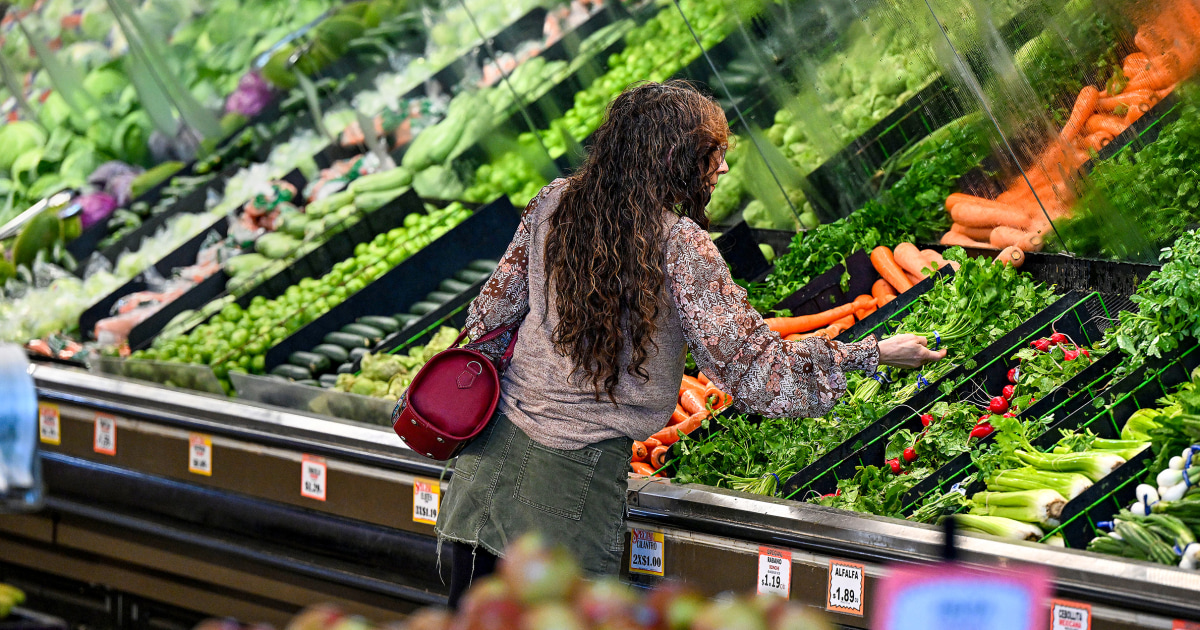
The impact is already evident. Recent consumer inflation data indicates grocery prices rose by 0.4% from January to February 2023, with an annual increase of 2.4%. Dining out has also become more expensive, with costs rising 0.3% over the same period and up 3.9% year-on-year. As planting season approaches, any disruption in fertilizer supplies could exacerbate food price pressures in the coming months, which is crucial for U.S. agriculture.
With spring planting well underway, farmers are under pressure to secure the necessary supplies. Parum has urged for secure transit and risk-coverage insurance for fertilizer shipments through the Strait of Hormuz. “If farmers are unable to obtain the remaining supplies in time, we could see reductions or shifts in planted acreage and lower yields,” she explained.
On March 10, 2023, U.S. Agriculture Secretary Brooke Rollins announced that the administration is close to solutions aimed at stabilizing fertilizer costs. While she noted that most farmers have procured their fertilizer for the planting season, she acknowledged that roughly 25% have yet to do so, leaving them vulnerable to price increases. “Obviously, events around the world are impacting our farmers,” Rollins stated during a White House event.
In addition to fertilizer costs, farmers are also feeling the pinch from rising diesel prices, which are essential for operating tractors and irrigation systems. Boyd highlighted the burden of these increased fuel costs, revealing that filling his tractor requires 100 gallons of diesel, costing him $469 per tank. “That doesn’t last long,” he lamented, underscoring the compounded challenges posed by the ongoing conflict.
As the situation unfolds, the interconnectedness of global supply chains raises urgent questions about food security and the affordability of essential goods for consumers worldwide. The ramifications of the Iran conflict extend far beyond the battlefield, potentially reshaping agricultural landscapes and food prices for months to come.