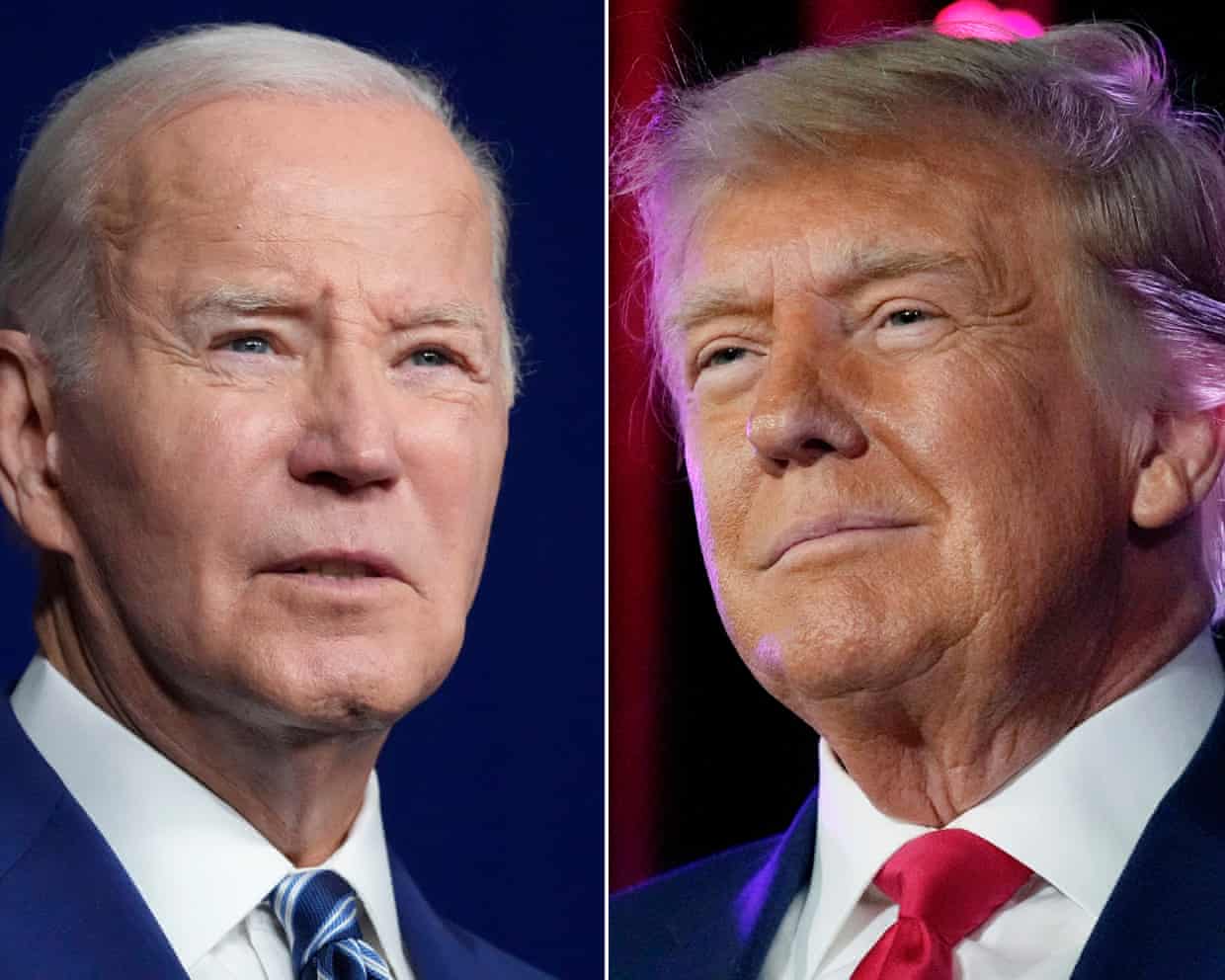
Iran is navigating a precarious situation as tensions with the United States escalate. Former U.S. President Donald Trump has issued new threats against the Iranian regime, which is grappling with one of its most challenging periods in decades. The Iranian government faces mounting pressure from various fronts, including a deepening economic crisis and widespread protests within the country.
The backdrop of these tensions includes the ongoing struggle over Iran’s nuclear program. The U.S. government has intensified sanctions, aiming to curb Iran’s nuclear ambitions and exert greater influence over the region. These sanctions have compounded the economic difficulties faced by ordinary Iranians, leading to significant unrest.
Economic Crisis Fuels Domestic Unrest
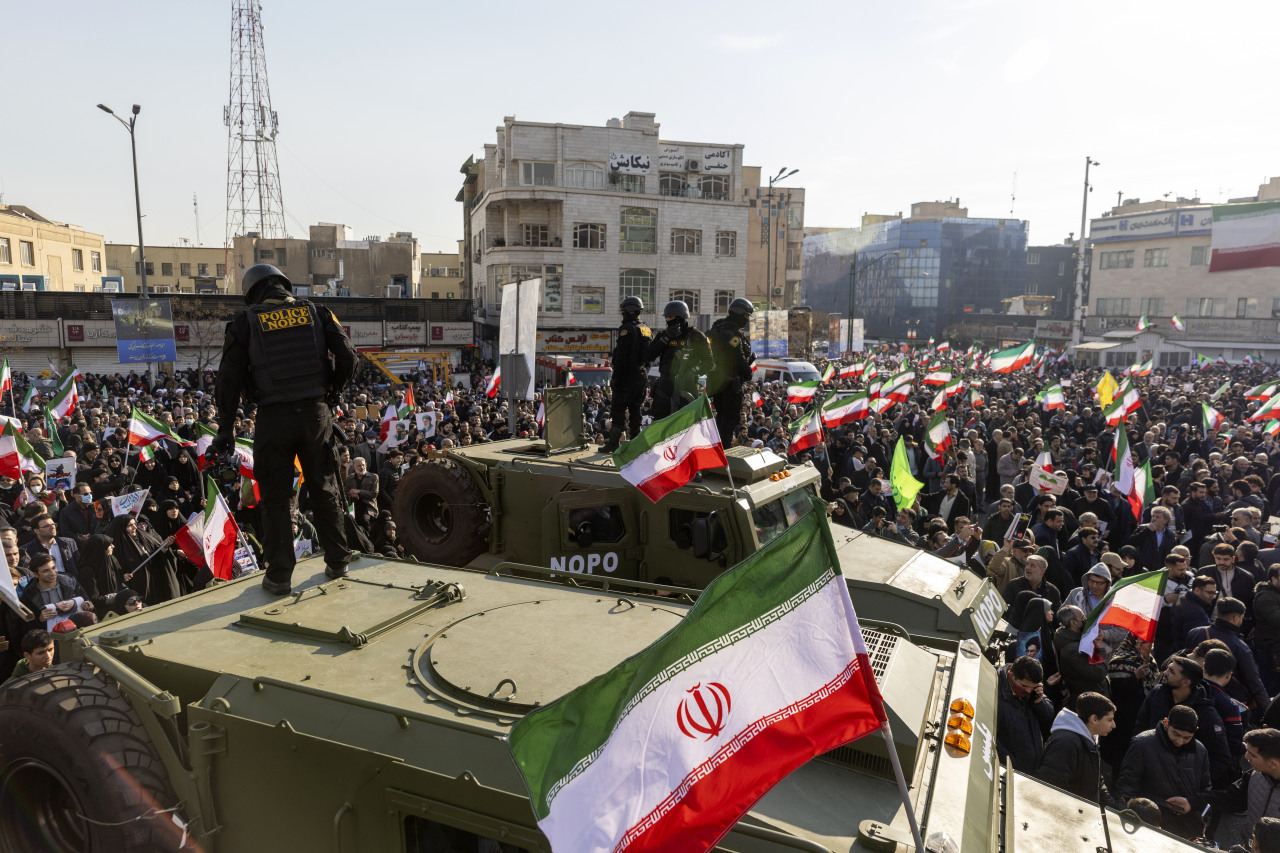
The Iranian economy has been in decline, with inflation rates soaring above 40 percent in recent months. Many citizens are struggling to afford basic necessities, prompting large-scale protests across major cities. Demonstrators express their discontent not only with the government’s handling of the economy but also with its foreign policy decisions.
These protests have underscored the vulnerability of the Iranian regime. As the government tries to maintain control, it is faced with a population that is increasingly frustrated by both domestic issues and foreign threats. The dichotomy of talking versus fighting presents a significant dilemma for Iranian leaders, who must balance internal stability with external pressures.
International Relations at a Crossroads
The relationship between Iran and the United States remains fraught with tension. Trump’s recent rhetoric has reignited fears of military confrontation, raising concerns among international observers. The Iranian leadership is acutely aware that any miscalculation could lead to severe repercussions, not just for their regime but also for regional stability.
In the wake of these developments, analysts suggest that the Iranian regime may seek to engage in diplomatic talks to alleviate some of the pressure. However, the likelihood of genuine dialogue appears slim, particularly given the historical animosity between the two nations.
The Iranian government must consider its options carefully. With economic conditions deteriorating and public sentiment shifting, leaders are under increasing scrutiny. Engaging in negotiations might provide a temporary reprieve, yet it could also be perceived as a sign of weakness, further emboldening domestic dissent.
As the situation evolves, the international community watches closely. The decisions made by Iran’s leaders in the coming weeks will be crucial in determining the country’s path forward, whether it leans towards confrontation or seeks a diplomatic resolution to its challenges.