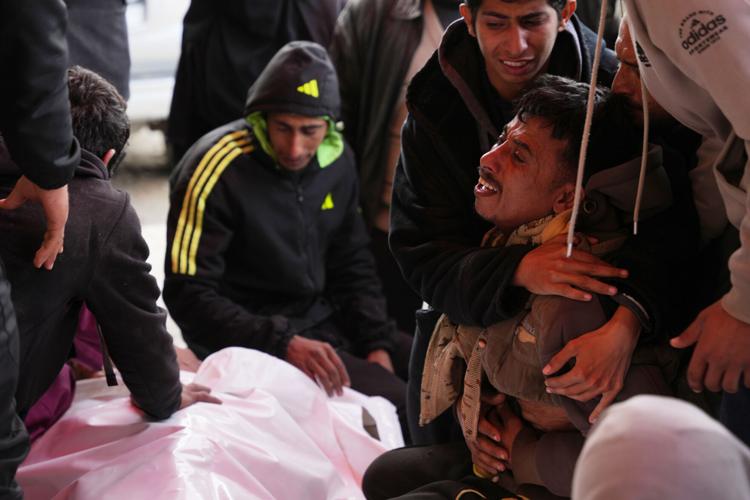
As Iran mourns the victims of the recent protests, disturbing accounts have emerged detailing the disrespectful treatment of those who lost their lives during the government’s violent crackdown. Witness testimonies and videos from Tehran’s largest cemetery reveal a troubling pattern of behavior surrounding the burial of protest victims, raising serious concerns about the government’s handling of the situation.
Witness Accounts Highlight Disrespect
Witnesses at Behesht Zahra Cemetery, where many of the protesters were laid to rest, reported that families faced significant obstacles when attempting to bury their loved ones. In some cases, authorities allegedly refused to allow proper burial rites, insisting on rapid interments without the presence of family members. This treatment has sparked outrage both nationally and internationally.
Human Rights Watch has condemned the Iranian authorities for their actions, calling for accountability and respect for the deceased. The organization emphasized that these behaviors reflect a broader pattern of repression and disregard for human rights in Iran, particularly following the protests that erupted after the death of Mahsa Amini in September 2022.
Government Crackdown Intensifies
The protests, which began in response to Amini’s death while in custody of the Islamic Revolutionary Guard Corps, quickly escalated into widespread demonstrations against the government. Reports indicate that more than 500 individuals have died as a result of the crackdown, with thousands more arrested. This brutal response has drawn condemnation from various human rights organizations and governments worldwide.
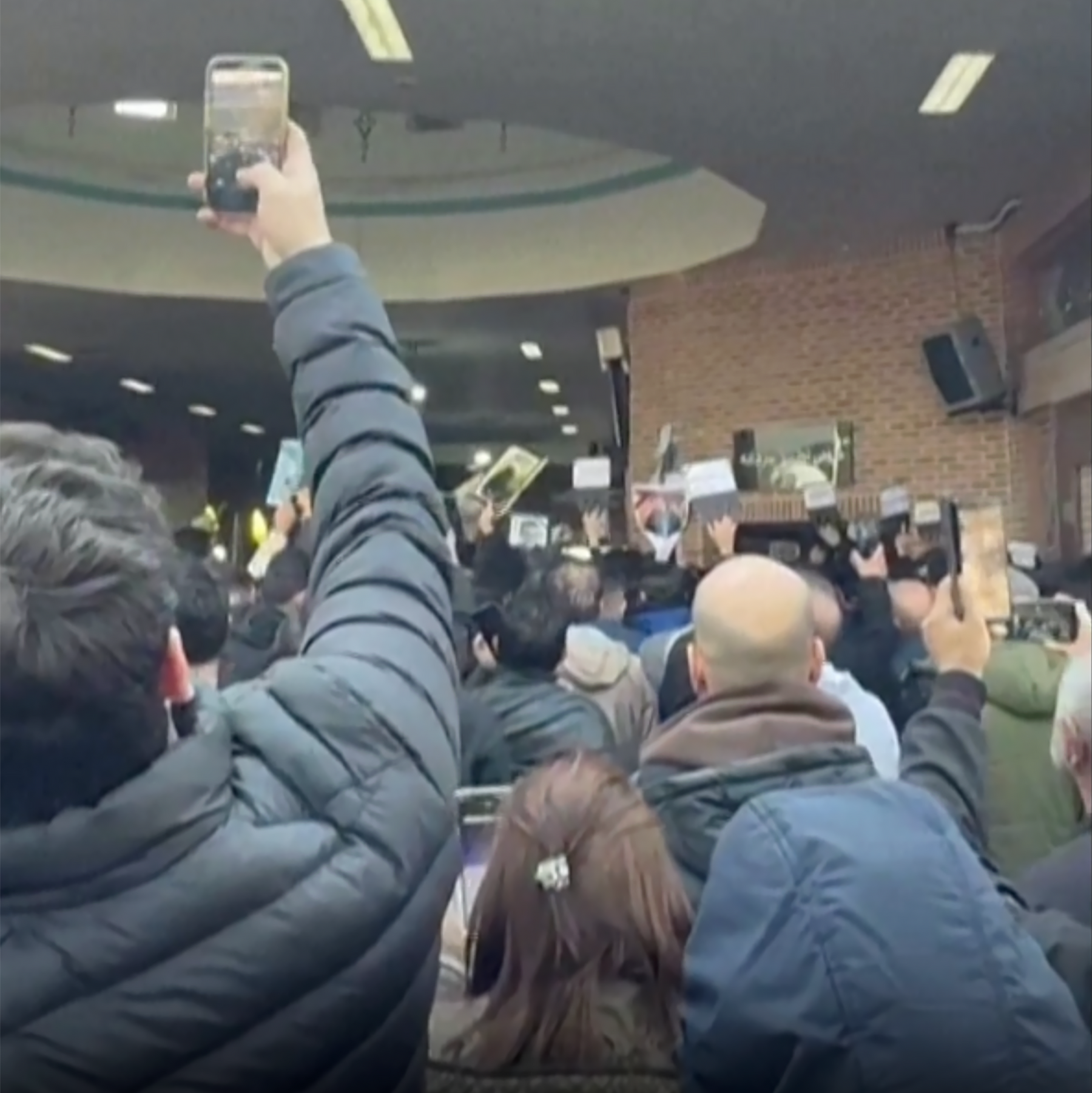
Videos circulating on social media depict chaotic scenes at the cemetery, with mourners expressing their grief while facing intimidation from security forces. Some families reported that they were pressured to sign documents stating that their loved ones died of natural causes rather than from the violence associated with the protests. Such coercive tactics have fueled further anger among the Iranian populace.
The treatment of deceased protesters extends beyond burial practices. Accounts from survivors and families indicate that many victims were subjected to severe abuse while in custody. Reports of torture and mistreatment in facilities such as Evin Prison highlight the dire conditions faced by those arrested during the protests.
Furthermore, the Iranian government has implemented a media blackout regarding the protests, limiting coverage of the events and suppressing information about the casualties. This has made it challenging for families to obtain accurate information about their loved ones, further compounding their grief.
International Response and Calls for Action
International bodies, including the United Nations, have called for investigations into the treatment of protest victims and the actions of Iranian authorities. Activists are urging the global community to take a stand against the Iranian government’s human rights violations and to support the families of the victims in their pursuit of justice.
The ongoing unrest and the government’s harsh response have ignited widespread discussions about human rights in Iran. As families continue to mourn their lost loved ones, the call for accountability and respect for human dignity remains at the forefront of the dialogue surrounding these tragic events.
The situation in Iran continues to evolve, and the world watches closely as the nation grapples with the consequences of its actions amidst growing calls for reform and respect for human rights.