Nationwide protests in Iran challenging the country’s theocratic regime have entered their second week, with demonstrators flooding streets in Tehran and Mashhad. As unrest escalates, the U.S.-based Human Rights Activists News Agency reports a rising death toll, now at least 116 people, while more than 2,600 individuals have been detained amid violent clashes with security forces.
With internet services disrupted and phone lines largely cut off, monitoring the situation from outside Iran has become increasingly complex. The Iranian regime is responding to the protests with severe threats directed at what it claims are foreign instigators. Iranian parliament speaker Mohammad Bagher Qalibaf stated that U.S. military personnel and Israeli forces would become “legitimate targets” if the United States were to strike Iran, a warning issued in response to remarks made by former President Donald Trump suggesting military intervention should protesters face fatal outcomes.
During a session broadcast live on Iranian state television, Qalibaf expressed support for law enforcement and the paramilitary Revolutionary Guard, praising their resilience in facing demonstrators. He declared, “The people of Iran should know that we will deal with them in the most severe way and punish those who are arrested.” His rhetoric escalated as he threatened both Israel and the U.S. with potential preemptive strikes if deemed necessary, stating, “We do not consider ourselves limited to reacting after the action and will act based on any objective signs of a threat.”
Given recent military setbacks, including an air defense failure during a brief conflict with Israel in June, it is uncertain how serious Iran is about pursuing military action. The ultimate decision rests with Ayatollah Ali Khamenei, Iran’s Supreme Leader.
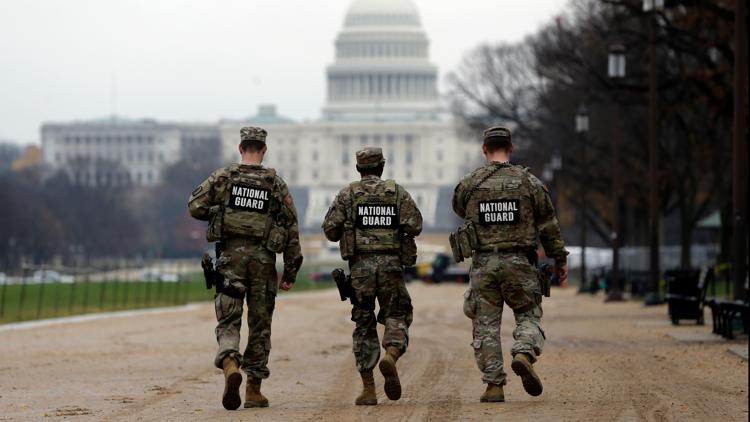
The U.S. military has indicated its readiness to respond, asserting that it is positioned to defend American interests in the region. Tensions have heightened since Iran targeted U.S. forces at Al Udeid Air Base in Qatar earlier this year, with the U.S. Navy’s 5th Fleet stationed in Bahrain.
While demonstrators in Iran continue to express their dissent, the government has intensified its crackdown. Videos reportedly from Tehran show gatherings and protests, with participants waving mobile phones and exhibiting defiance. The Human Rights Activists News Agency notes that protests have taken a fluid form, adapting to the heavy presence of security forces.
In Mashhad, Iran’s second-largest city, videos emerged of confrontations between protesters and security personnel, with scenes of chaos as debris filled the streets. This city holds particular significance due to the presence of the Imam Reza shrine, the holiest site in Shiite Islam, making the protests there especially poignant.
The Iranian government has reacted by issuing stern warnings. Attorney General Mohammad Movahedi Azad stated that individuals participating in protests could be labeled as “enemies of God,” a charge that carries the death penalty. This reflects a broader strategy by the Iranian leadership to instill fear among demonstrators and discourage further unrest.
Despite the government’s efforts to restrict communication, limited reports indicate protests occurring in various cities, including Kerman, located 500 miles southeast of Tehran. In a bold move, Reza Pahlavi, the exiled Crown Prince of Iran, has urged citizens to continue protesting, symbolically encouraging the use of Iran’s historic lion-and-sun flag.
The unrest began on December 28, 2023, primarily sparked by the collapse of the Iranian rial, which has plummeted in value, trading at over 1.4 million rials to $1. The country’s economy faces significant strain due to international sanctions, particularly those related to its nuclear program. As protests escalate, calls for reform and change in Iran’s theocratic governance are becoming increasingly pronounced.
The situation remains fluid and poses significant implications for both domestic and international relations, as the Iranian government grapples with one of its most substantial challenges in years. With the potential for increased violence looming, many observers are keenly monitoring how events will unfold in the coming days.