The head of Iran’s judiciary announced plans for expedited trials and potential executions of individuals detained during recent nationwide protests. This declaration comes despite a warning from U.S. President Donald Trump, who emphasized the need for restraint in handling the unrest.
In a video shared by Iranian state television on September 28, 2022, Gholamhossein Mohseni-Ejei, Iran’s judiciary chief, asserted the government’s commitment to addressing the protests swiftly. He stated, “If the judiciary does not act decisively, it will lose its legitimacy.” His comments reflect the Iranian leadership’s determination to clamp down on dissent following widespread demonstrations that erupted in response to various grievances.
The protests began following the death of Mahsa Amini, a young woman who died while in the custody of the morality police. Amini’s death ignited anger over the enforcement of strict dress codes and broader issues related to human rights in Iran. As public frustration grew, the protests expanded to encompass calls for political and social reforms.
Iran’s judiciary has faced international criticism for its handling of dissent. Reports indicate that the government has detained thousands of protesters, with many facing charges that could result in severe penalties. The Iranian authorities have justified these actions as necessary to maintain order and protect the state.
In response to Mohseni-Ejei’s remarks, President Trump expressed concern over the potential for violence, urging Iranian officials to reconsider their approach to the protests. He highlighted the importance of dialogue and peaceful resolution, stating, “All nations must stand together against the brutal regime in Iran.”
Human rights organizations have condemned the Iranian government’s tactics, calling for the immediate release of prisoners and an end to the crackdown on protests. According to Amnesty International, swift trials and executions infringe upon basic human rights protections and undermine the rule of law.
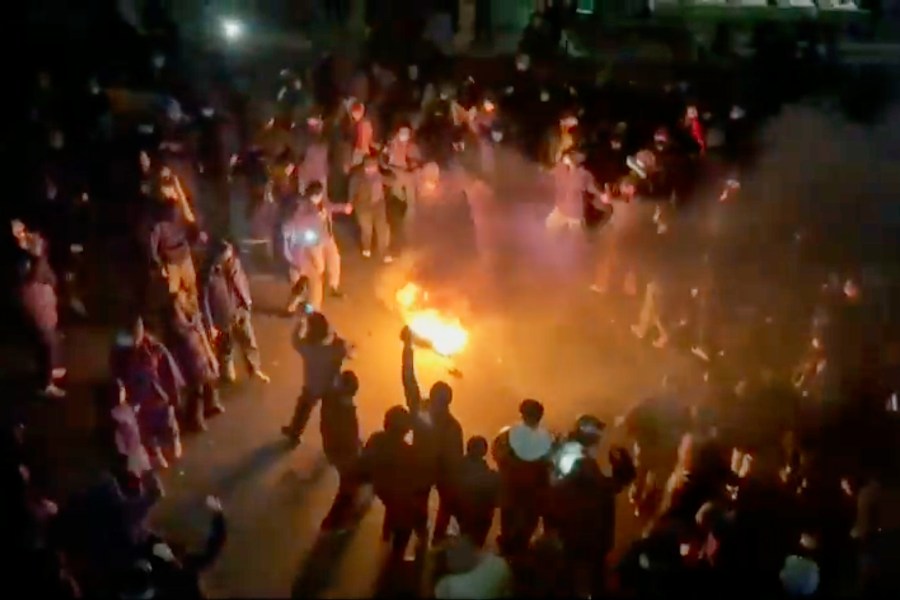
The situation remains tense as protests continue in various cities across Iran. Demonstrators are determined to voice their demands for change, despite the risks posed by the government’s aggressive response. As the judiciary prepares to proceed with trials, the international community is closely monitoring developments, urging Iranian authorities to uphold human rights standards.
The potential for rapid legal proceedings raises concerns about the fairness of the judicial process and the treatment of detainees. Observers fear that the government’s approach may further escalate tensions, leading to more unrest in a country already grappling with deep-seated issues.
As Iran navigates this crisis, the consequences of its actions on both domestic and international fronts will be significant. The world watches as citizens continue to push for their rights amid a backdrop of state repression and calls for justice.