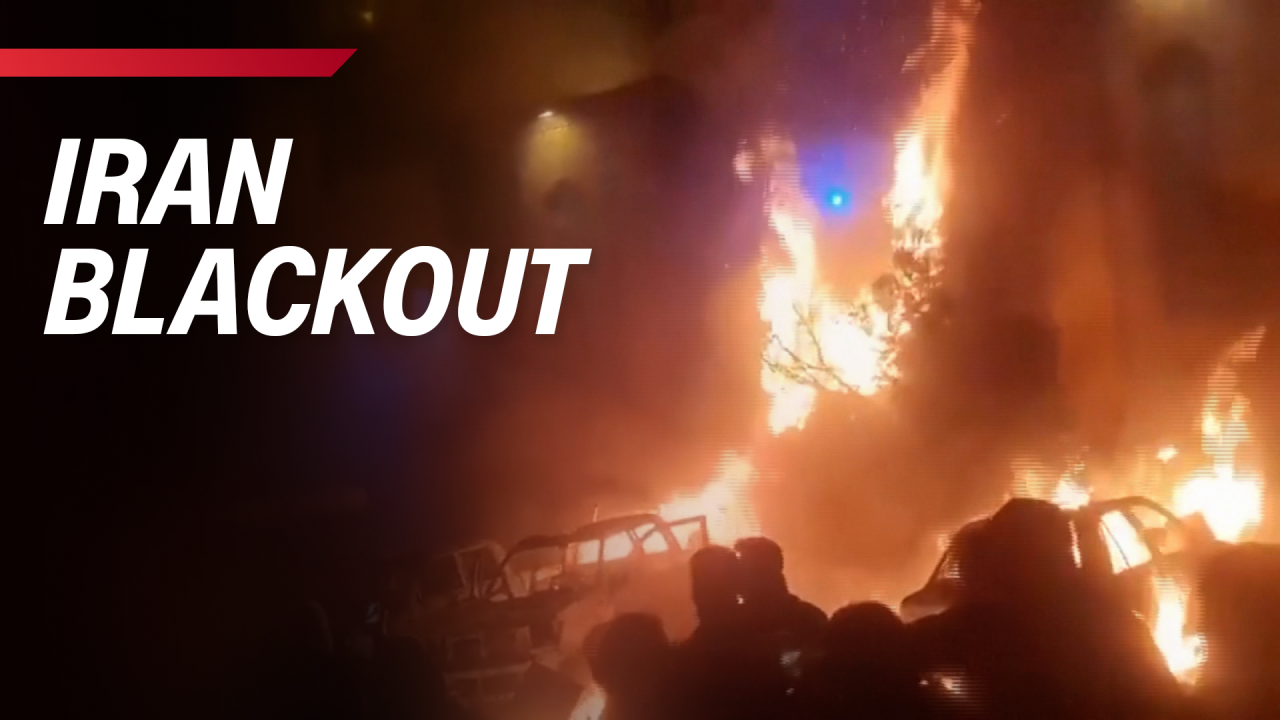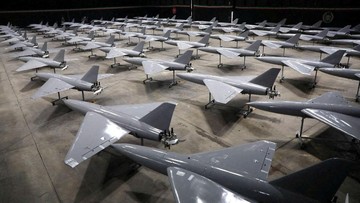
The conflict between the United States, Israel, and Iran has escalated as Iran continues to deploy its low-cost Shahed drones against U.S. and Israeli military targets. This strategy, now entering its fifteenth day, is creating significant operational challenges for American forces involved in the region.
Iran’s use of these inexpensive drones has raised the stakes in the ongoing conflict, impacting the financial and logistical aspects of military engagements. The Shahed drones, which are reportedly produced at a fraction of the cost of conventional military aircraft, have proven to be a vital tool for Iran’s military strategy. By utilizing these drones, Iran aims to inflict sustained damage while minimizing its own expenses in the conflict.
Operational Impacts and Strategic Shifts
The ongoing hostilities have forced U.S. military commanders to reassess their operational tactics. The U.S. Department of Defense has indicated that the rising frequency of drone strikes complicates traditional defense measures. This shift in tactics reflects a broader trend in modern warfare, where low-cost, high-impact technology is reshaping the battlefield.
In recent assessments, military analysts have highlighted the potential for an attrition strategy, wherein Iran aims to exhaust U.S. resources through a series of persistent drone attacks. This approach not only increases the operational costs for American forces but also raises concerns about the long-term sustainability of U.S. military engagement in the region.
The financial implications are significant. According to reports, the U.S. military’s expenses could escalate into the billions of dollars as it seeks to counteract the drone threat. This rising cost could strain resources further, potentially affecting other military and humanitarian operations globally.
A Broader Context of Tensions
The tensions between Iran and the U.S.-Israel alliance stem from a complex backdrop of geopolitical interests, historical grievances, and regional power dynamics. Iran’s continuous development and deployment of drone technology emphasize its commitment to countering U.S. influence in the Middle East.
The ongoing conflict, marked by these aerial confrontations, not only poses immediate risks to military personnel but also impacts civilian populations within the conflict zones. The humanitarian consequences of sustained military action are profound, with reports of displaced families and disrupted livelihoods in affected areas.
As the situation develops, the international community remains watchful. The potential for escalation into broader regional conflict could have far-reaching consequences, inviting responses from global powers and impacting diplomatic relations worldwide.
The conflict between the U.S., Israel, and Iran exemplifies how modern warfare is evolving, where technology plays a pivotal role in shaping military strategies and outcomes. The reliance on drones highlights a new era of warfare that prioritizes cost-effectiveness and strategic impact over traditional military might. The coming weeks are likely to be crucial in determining the trajectory of this ongoing conflict, as both sides adapt to the realities of a changing battlefield.