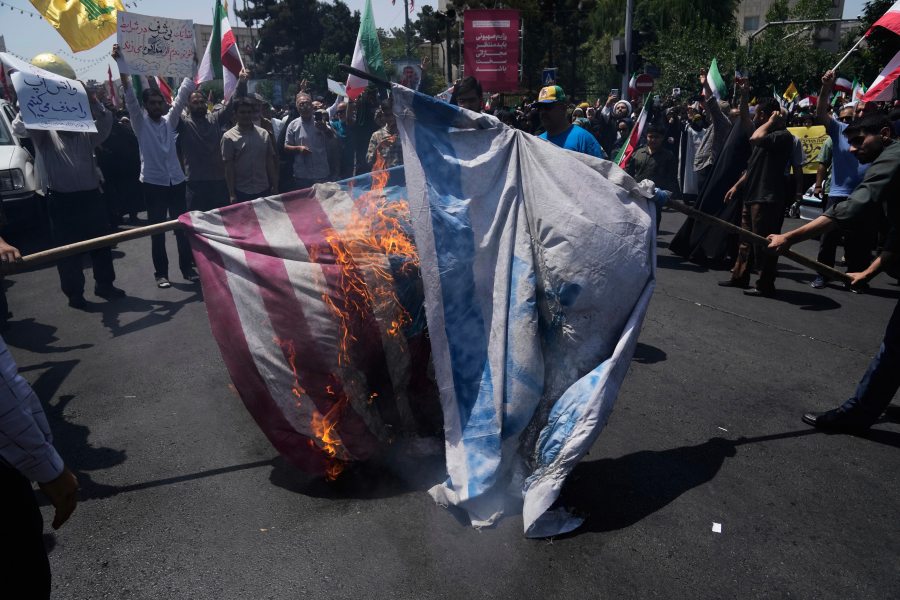
The Iranian protests have intensified, prompting Israeli leaders to take note of the unfolding situation. On March 3, 2024, Israeli Prime Minister Benjamin Netanyahu stated that the country is “closely monitoring” the unrest in Iran. The protests, which began over economic issues and government policies, have drawn significant public attention and criticism within the Islamic Republic.
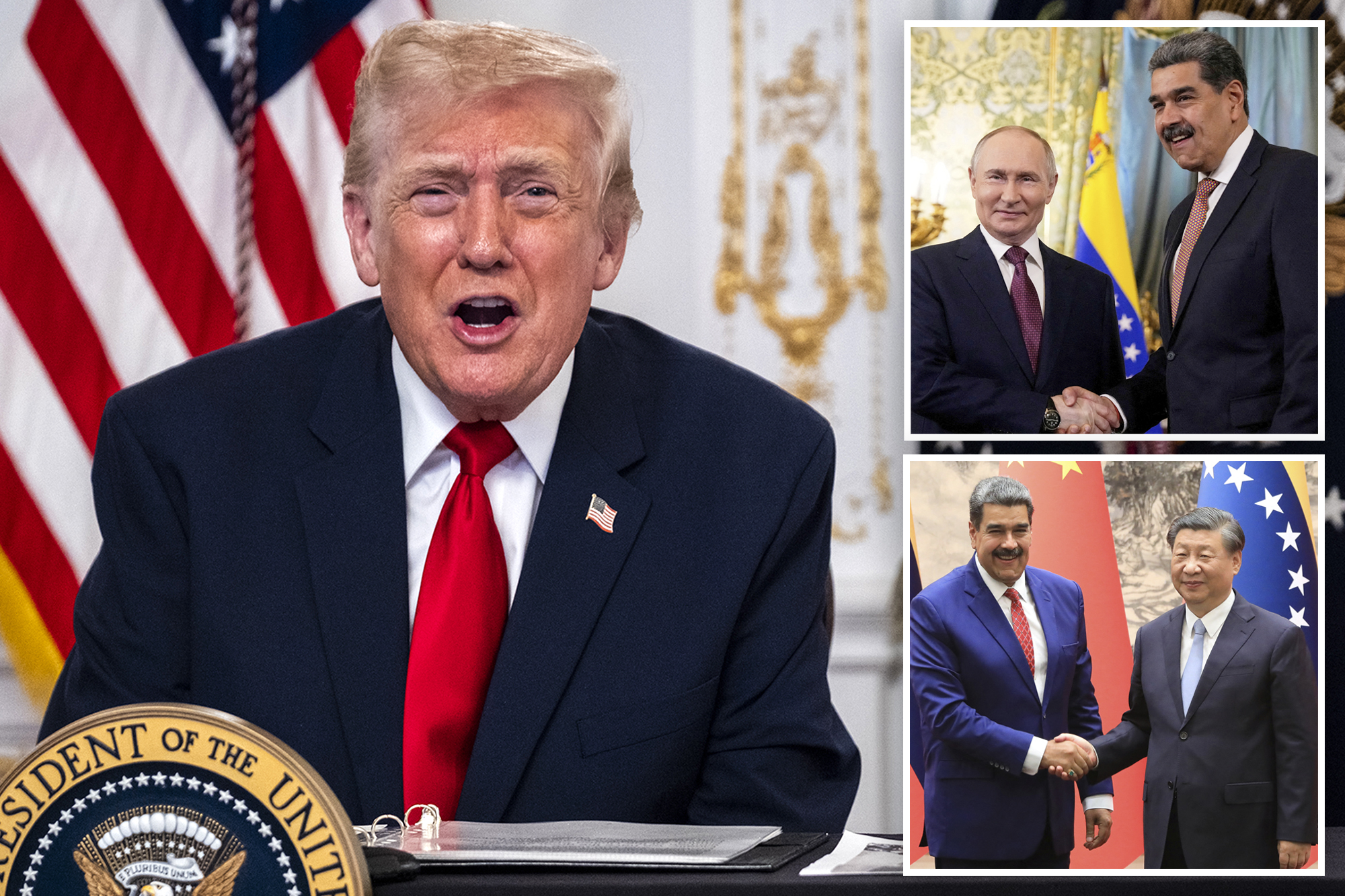
Netanyahu’s remarks come against a backdrop of heightened tensions in the region. The situation has escalated further with U.S. President Donald Trump issuing threats aimed at Iran, raising concerns that these protests could lead to broader conflict. Analysts suggest that Trump’s rhetoric might provoke reactions that could destabilize the region even further.
As protests continue to spread across Iranian cities, the Israeli government has emphasized the importance of understanding the implications these events may have. “The people of Israel, the entire world, are in awe of the courage displayed by the Iranian people,” Netanyahu added, reflecting Israel’s interest in the dynamics of Iranian governance and its potential impact on regional security.
International Reactions and Implications
The international community is watching the situation with great interest. Analysts believe that the protests could have far-reaching consequences not just for Iran but for the entire Middle East. Various nations are weighing their responses carefully, balancing the need to address human rights issues while considering the potential for increased instability.
Reports indicate that more than 1,000 demonstrators have been arrested since the protests began, and the Iranian government has implemented internet shutdowns to curb the organization of dissent. This has sparked further outrage among human rights advocates globally.
The Israeli intelligence community is particularly focused on these developments, analyzing how they might affect Iran’s nuclear ambitions and its influence over proxy groups in the region. The potential for a shift in power dynamics could alter the strategies of both Israel and its neighboring countries.
Local Impact and Future Considerations
The protests in Iran are significant not only for their immediate impact but also for what they signal about the public’s dissatisfaction with the current regime. Citizens are voicing their frustrations over economic hardships, corruption, and political repression. As the protests evolve, they have the potential to reshape the political landscape in Iran, prompting discussions about governmental reforms.
In Israel, the leadership’s response reflects both caution and an understanding of the delicate balance required in international relations. Netanyahu’s government is keen to avoid any escalation that could lead to a direct confrontation, yet it recognizes the need to stay alert to developments in Iran.
As the situation unfolds, it remains to be seen how both Iranian authorities and international powers will respond. The outcomes of these protests may influence not only internal Iranian politics but also the broader geopolitical climate in the Middle East, making it a critical issue for nations involved.
With ongoing developments, the world watches closely to see how this situation will unfold, and what it might mean for peace and stability in the region.