Jim Beam, the iconic bourbon brand, announced plans to pause production due to the ongoing impact of tariffs imposed by the Trump administration. This decision has drawn attention from political figures, particularly from Democratic Representative Morgan McGarvey of Kentucky, who attributes the challenges faced by the distillery to these trade policies.
The whiskey industry has been significantly affected by tariffs on European imports, which have disrupted the market dynamics. In particular, Jim Beam, a major player in the bourbon sector, is responding to these economic pressures by temporarily halting production. The decision is not only a reflection of Jim Beam’s operational strategy but also a broader indication of how trade policies can reverberate through industries reliant on international commerce.
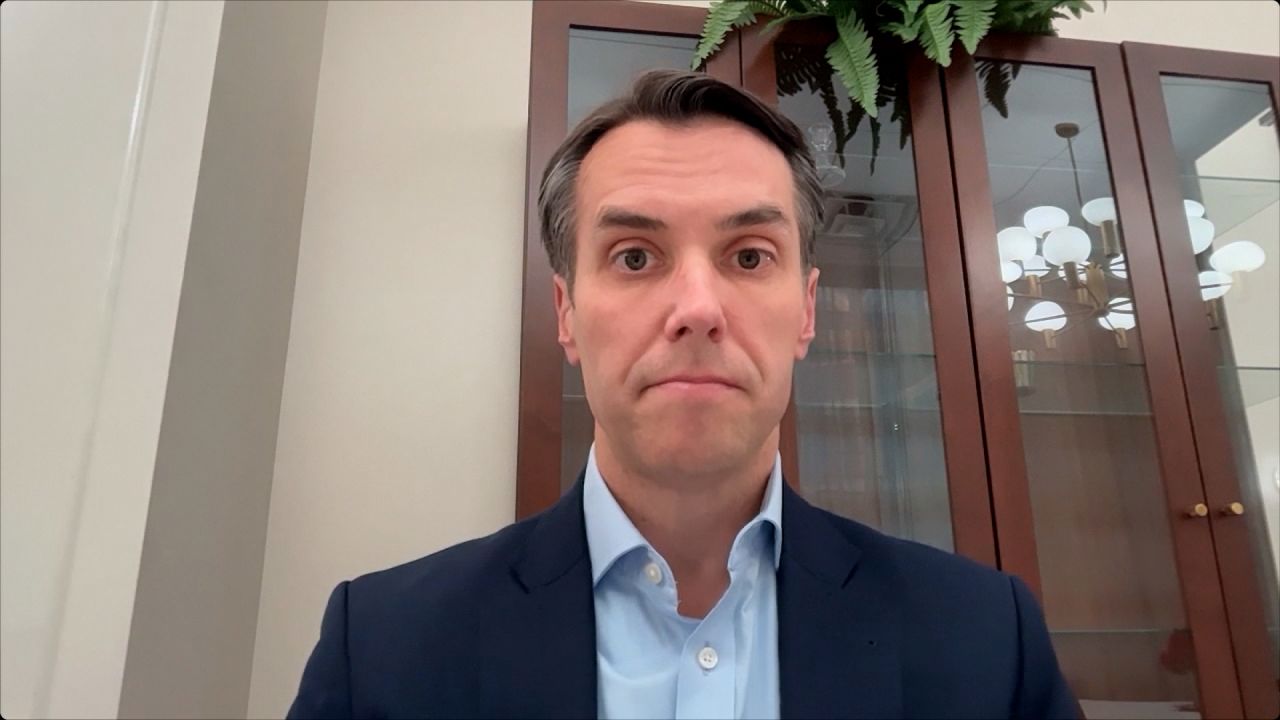
Morgan McGarvey, representing Kentucky’s 3rd Congressional District, expressed his concerns during an interview on a national news program. He emphasized that the tariffs, which target European products, have created an imbalance that is detrimental to domestic producers. “These tariffs are putting a strain on our local businesses, and we need to reevaluate our trade strategy to protect American jobs,” he stated.
The impact of these tariffs is felt across the bourbon industry, which contributed approximately $1.4 billion to the U.S. economy in 2022, according to the Distilled Spirits Council. The council has noted a decline in exports and increased costs for producers, which ultimately affects consumers as well. As Jim Beam pauses production, stakeholders in the industry are left to ponder the long-term implications of such trade policies.
The Trump Administration’s tariffs, initially intended to protect American industries, have led to unintended consequences for many sectors, including bourbon. In a state where bourbon is not only a cultural staple but also an economic powerhouse, the effects of these policies are particularly pronounced. Kentucky produces about 95% of the world’s bourbon, making the state’s economy closely tied to the industry’s health.
As Jim Beam navigates these challenges, the focus remains on how local businesses will adapt to fluctuating market conditions. Industry leaders are calling for a reassessment of the tariffs to mitigate further disruptions. The conversation around trade and its impact on local economies is likely to intensify as more companies confront similar challenges.
With production on hold, Jim Beam’s decision serves as a case study of the ripple effects of national trade policies on regional businesses. As Kentucky’s economy grapples with these realities, it highlights the importance of balancing international trade strategies with the needs of domestic producers.
Looking forward, both political leaders and industry advocates will need to collaborate to ensure that Kentucky’s bourbon heritage remains robust and competitive in an evolving global market.