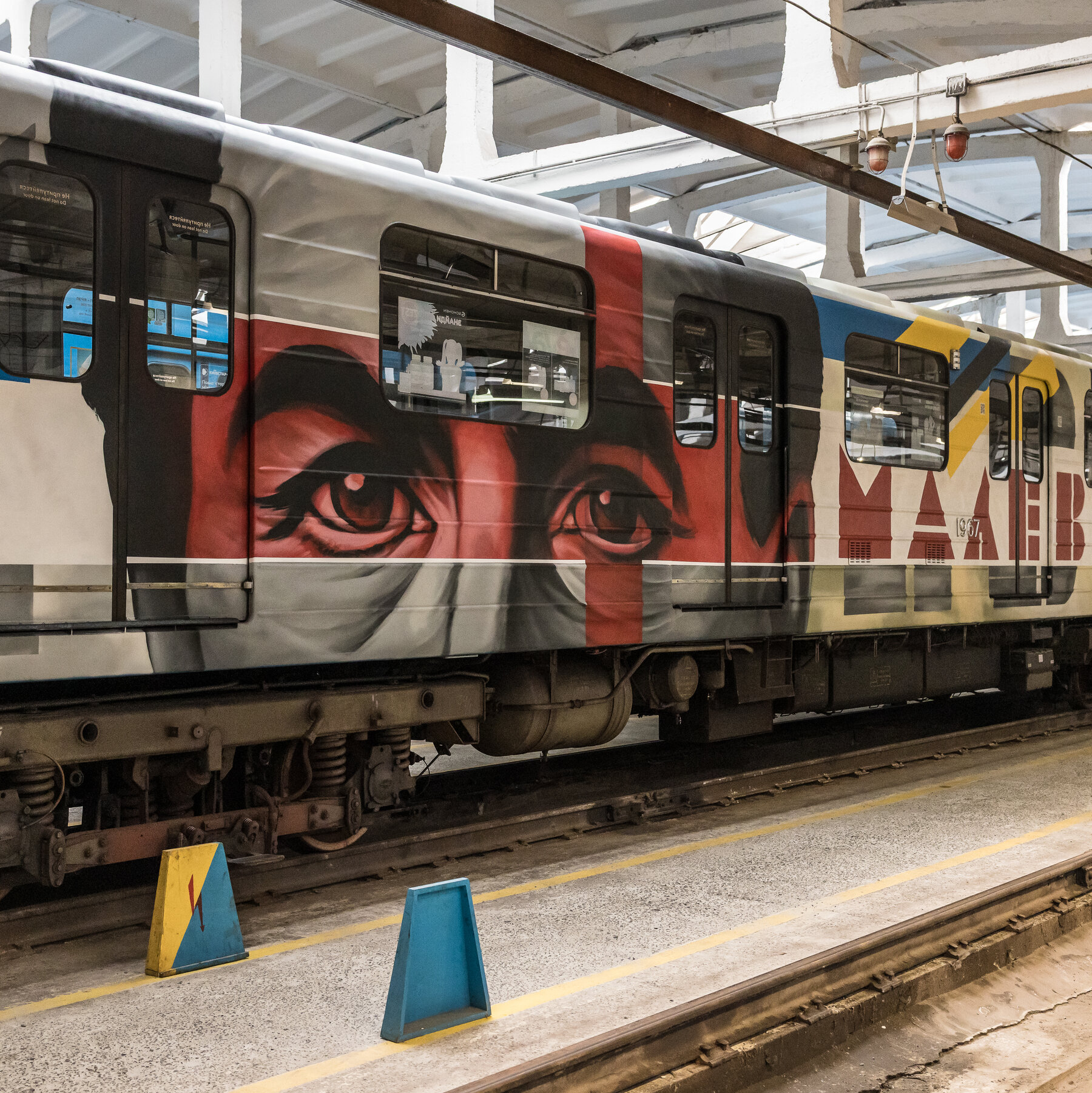
As Ukraine continues to combat Russian influence, it is actively working to reclaim the cultural legacy of renowned avant-garde painter Kazimir Malevich. Born in 1879, Malevich’s work is celebrated globally, but his ties to both Ukraine and Russia have sparked a complex debate about national identity and cultural ownership.
Kyiv’s efforts to emphasize Malevich’s Ukrainian roots come as part of a broader initiative to redefine cultural narratives in the face of ongoing conflict. This movement not only seeks to honor Malevich’s contributions but also aims to challenge the longstanding dominance of Russian cultural narratives that have overshadowed Ukrainian heritage.
Revisiting Malevich’s Origins
Kazimir Malevich, who passed away in 1935, is best known for his pioneering role in the avant-garde movement, particularly through his development of Suprematism, which emphasizes geometric forms and a limited color palette. While he was born in what is now Ukraine, his legacy has often been framed within the context of Russian art history.
In recent months, Ukrainian officials and cultural institutions have begun to reclaim Malevich’s narrative. By highlighting his early life in the Ukrainian town of Krzemieniec and his formative experiences in Kyiv, they aim to reestablish his identity as a Ukrainian artist. This initiative reflects a significant shift in how cultural figures are perceived and represented in the wake of geopolitical tensions.
Impact on Cultural Identity
The stakes are high, as cultural identity plays a crucial role in the ongoing conflict between Ukraine and Russia. The Ukrainian government is keenly aware that reclaiming artists like Malevich can help strengthen national pride and unity. In 2022, the Ukrainian Ministry of Culture launched a campaign to promote the country’s cultural heritage, which includes a renewed focus on figures like Malevich.
Art historians and cultural commentators note that the reassessment of Malevich’s roots is emblematic of a larger trend. According to Dr. Oksana S. Pleshakova, a prominent art historian, “Reclaiming Malevich is not just about art; it is about affirming Ukraine’s identity on the global stage.” This sentiment is echoed by various Ukrainian artists who see this as a vital step toward redefining their own artistic narratives.
As Kyiv works to reinforce its cultural identity, it faces the challenge of navigating the complexities of heritage and ownership. The dialogue surrounding Malevich serves as a focal point for broader discussions about art’s role in nation-building and the impact of historical legacies on contemporary society.
Efforts to celebrate Malevich’s Ukrainian heritage are also occurring in public spaces. Exhibitions showcasing his works have been organized in major cities, drawing attention to his contributions and fostering national pride. These initiatives are vital not only for cultural preservation but also for forging international connections through shared artistic heritage.
In a time of crisis, the quest to reclaim figures like Kazimir Malevich illustrates how art can serve as a powerful tool for unity and resilience. As Ukraine continues to navigate its path forward, the legacy of its artists remains a crucial part of its national identity and cultural expression.