Following a U.S. airstrike on December 25, 2023, targeting suspected terrorist positions in Nigeria, officials in the West African nation expressed willingness to accept ongoing military support. Nigerian Foreign Minister Yusuf Tuggar informed Channels Television that Nigeria is collaborating closely with the U.S., indicating that this intervention marks “a new phase of an old conflict.”
Nigerian officials, speaking on condition of anonymity, confirmed that further American strikes are anticipated as part of a coordinated effort against terrorism in the region. The U.S. Department of Defense has not officially commented on the potential for additional strikes. However, Pentagon Chief Pete Hegseth hinted at “more to come” in a tweet announcing the Christmas Day attack.
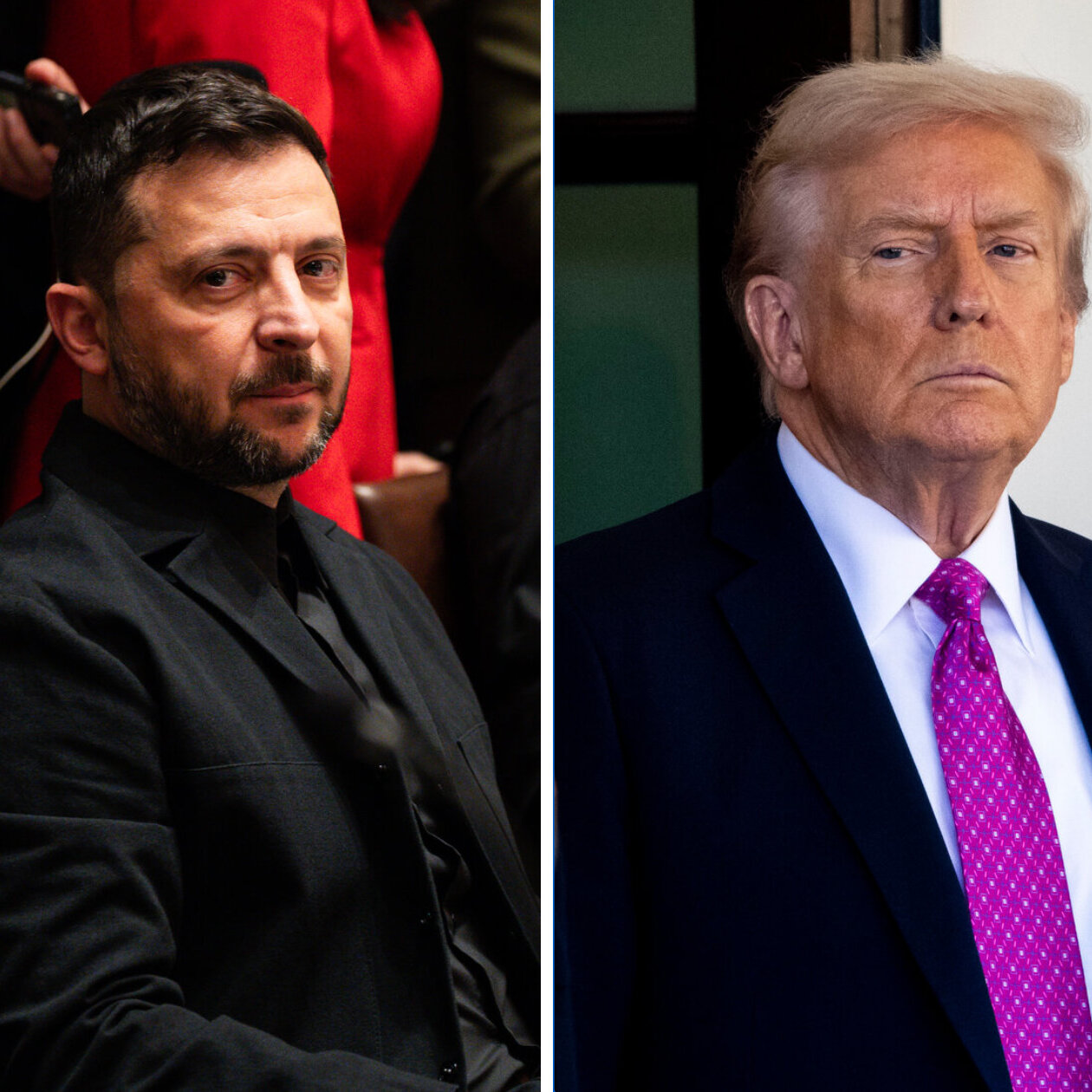
While President Donald Trump has positioned himself as advocating for a reduction in overseas military involvement, his administration has conducted multiple operations targeting alleged terrorists in various countries, including Somalia, Yemen, and Syria. His government has also taken action against the Venezuelan regime, seizing oil tankers and engaging in military operations against drug trafficking.
The recent strikes in Nigeria received a mixed reception. Some supporters of Trump, such as far-right activist Laura Loomer, praised the military actions, while others raised concerns about their implications. Trump has criticized Nigeria for attacks on Christians, a characterization that Nigerian officials have vehemently disputed. Tuggar emphasized that the fight against terrorism in Nigeria is not a religious conflict but a regional security challenge. He stated, “Simplistic labels don’t solve complex threats,” adding that terrorism poses a significant risk to national stability.
According to Tuggar, the U.S. strikes were based on intelligence provided by the Nigerian government and followed discussions with Secretary of State Marco Rubio. U.S. officials confirmed that Rubio had multiple conversations with Tuggar prior to the airstrikes.
Details about the specific operations remain limited, apart from a video shared by the Pentagon showing a missile being launched from a naval vessel. The airstrike reportedly targeted locations in the Sokoto region of northwestern Nigeria, an area where a local Catholic bishop recently stated that Christians do not face persecution. The Nigerian Defense Ministry has linked the targets to Islamic State activities in the region.
Security analyst Confidence MacHarry from SB Morgen Intelligence noted that the strikes may be indicative of a larger strategy. “Given what we know for now about the attacks, they are largely a signal for something larger,” he stated, suggesting that future actions could be more impactful.
Nigeria, home to approximately 230 million people, is the most populous country in Africa and has long been embroiled in violence, stemming from a complex interplay of ethnic, religious, and political factors. The nation has a nearly even split between Muslim and Christian populations, which has contributed to ongoing strife.
Senior fellow for Africa studies at the Council on Foreign Relations, Ebenezer Obadare, commented on the evolving dynamics of Nigeria’s military strategy. He remarked that Nigerian authorities appear to be acknowledging the need for international assistance, with the U.S. seemingly prepared to provide that support.
In November, Trump threatened military action if violence persisted in Nigeria. Shortly thereafter, a group of terrorists abducted over 200 children from a Catholic school, with their release announced earlier this week. This incident underscores the urgency of addressing security challenges in the country and highlights the potential for U.S. involvement to escalate in the coming months.