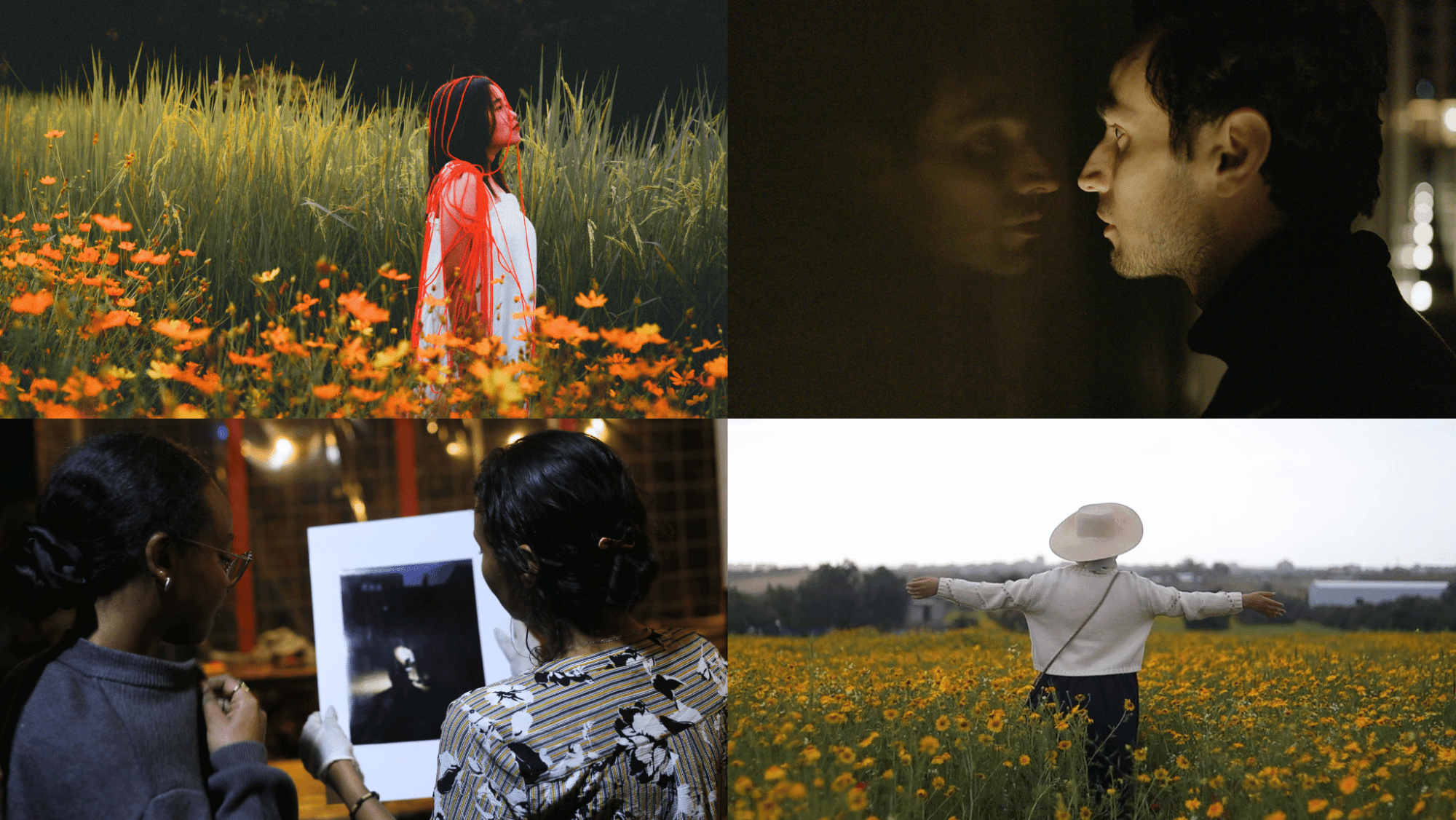
The International Film Festival Rotterdam (IFFR) is positioning itself as a vital hub for independent cinema through innovative initiatives aimed at supporting filmmakers. The festival, set to take place from January 29 to February 8, 2024, will feature the 43rd edition of CineMart, which runs from February 1 to 4. This year, the festival has curated a selection of 21 feature projects and 10 works-in-progress for its Darkroom platform, signifying its commitment to fostering creative talent.
New this year is the Lightroom platform, which will showcase immersive media projects, including virtual reality and interactive works. Additionally, six titles from CineMart have been selected for the inaugural CineMart x HBF strand, highlighting projects previously supported by IFFR’s Hubert Bals Fund (HBF).
One of the standout features of this year’s festival is the launch of the Safe Harbour initiative. This program aims to provide resources for stateless and at-risk filmmakers, particularly those who have faced displacement or forced migration. The initiative seeks to support emerging voices in the film industry that often struggle to find funding and professional networks.
Marten Rabarts, head of IFFR Pro, emphasized the festival’s role as a bridge between established filmmakers and new talent. He stated, “Balancing breakthrough talent and celebrated auteurs at the height of their careers, this year’s selections underline CineMart’s role as a place where discovery and established filmmaking meet.” The themes explored in this year’s projects range from war and displacement to climate change and identity struggles, reflecting the urgent narratives that resonate within today’s global context.
In an interview with The Hollywood Reporter, Rabarts and Tamara Tatishvili, head of the HBF, discussed the significant challenges facing independent filmmakers, particularly regarding funding. Rabarts noted that filmmakers often arrive at the market with multiple co-production partners already secured, highlighting the increasingly collaborative nature of film financing.
Regional trends indicate a growing interest in films from Asia, facilitated through partnerships like the Asian Film Alliance Network (AFAN). Co-productions coming from this network are increasingly seeking European funding to supplement their budgets. Rabarts also observed a resurgence of independent American filmmakers returning to Rotterdam, drawn by the supportive environment that the festival provides.
The festival’s focus on community-building is evident in its inaugural HBF Reunion, scheduled for February 2. This informal gathering aims to connect filmmakers and industry professionals, fostering collaboration and celebration of their work. Notable attendees include Sandra den Hamer, director of the Netherlands Film Fund, and acclaimed filmmakers like Lucrecia Martel and Ratchapoom Boonbunchachoke, whose works will be featured in the festival.
As the global political landscape continues to evolve, Rabarts underscored the importance of amplifying diverse voices. He noted, “The world’s on fire, and we need to hear from filmmakers telling us what that heat feels like in their part of the world.” The need for flexibility in funding and support for filmmakers from vulnerable backgrounds is more pressing than ever, according to Tatishvili. She highlighted the challenges faced by creatives in politically charged environments, where expressing their ideas can be risky.
The Safe Harbour initiative aims to lower barriers for filmmakers dealing with displacement. Rabarts explained that traditional eligibility criteria for co-production markets often exclude those facing such challenges. By creating a platform where talent can showcase their stories without these automatic barriers, IFFR seeks to foster a more inclusive film environment.
The first projects under this initiative include contributions from filmmakers from Syria, Gaza, Sudan, and Myanmar, each navigating unique challenges related to their displacement. Rabarts emphasized the varying degrees of displacement experienced by these filmmakers, some of whom are currently facing dangerous situations while trying to complete their projects.
As the festival approaches, Tatishvili expressed the importance of ensuring that films from these often-overlooked voices not only get made but are also seen by wider audiences. “It’s a reality that funding is challenging. The political context of the world is not supporting it either,” she stated. She remains optimistic about the role of cinema in triggering critical thinking and sparking dialogue among viewers.
The International Film Festival Rotterdam, with its robust initiatives and commitment to independent filmmakers, continues to carve out a significant role in the global film landscape. By championing diverse voices and innovative storytelling, it sets the stage for a dynamic and inclusive future in cinema.