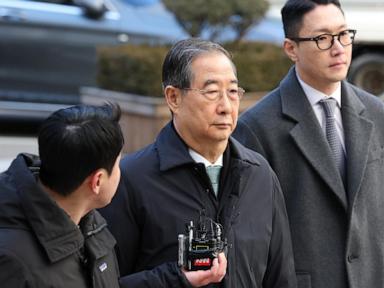
A South Korean court has sentenced former Prime Minister Han Duck-soo to 23 years in prison for his role in the imposition of martial law during the administration of President Yoon Suk Yeol. The ruling, issued on February 14, 2024, marks a significant moment in South Korea’s political landscape, as it is the first conviction related to the rebellion charges stemming from Yoon’s controversial actions in December 2024.
The Seoul Central District Court found that Han’s involvement during the critical period constituted an act of rebellion. This decision could pave the way for further legal challenges against Yoon and other officials from his administration, who are also facing similar charges. The court’s verdict indicates a shift in accountability within South Korea’s political framework, especially concerning the military’s role during civil governance.
Han Duck-soo served as one of the three caretaker leaders during the martial law crisis that ultimately led to President Yoon’s impeachment and subsequent removal from office. His position as Prime Minister, the second-highest role in the South Korean government, placed him at the center of the unfolding political turmoil. The severe nature of the charges reflects the gravity with which South Korea views rebellion, a crime that carries heavy penalties under its legal system.
Legal experts have indicated that the ruling against Han may set a precedent for handling the remaining cases against Yoon and other associates. The independent counsel has already recommended the death penalty for Yoon, alleging that he masterminded the rebellion. The court is set to deliver its ruling on Yoon’s charges on February 19, 2024, which could further impact the political trajectory of the current administration.
The implications of this case extend beyond individual accountability; they touch upon the broader relationship between military authority and civil governance in South Korea. The martial law imposed by Yoon has been viewed as a significant overreach of power, leading to public outcry and widespread protests during its enactment.
As the situation develops, South Korea faces a critical juncture in defining its democratic principles and upholding the rule of law. The outcomes of these cases will likely have lasting effects on public trust in government institutions and the political climate in the country.