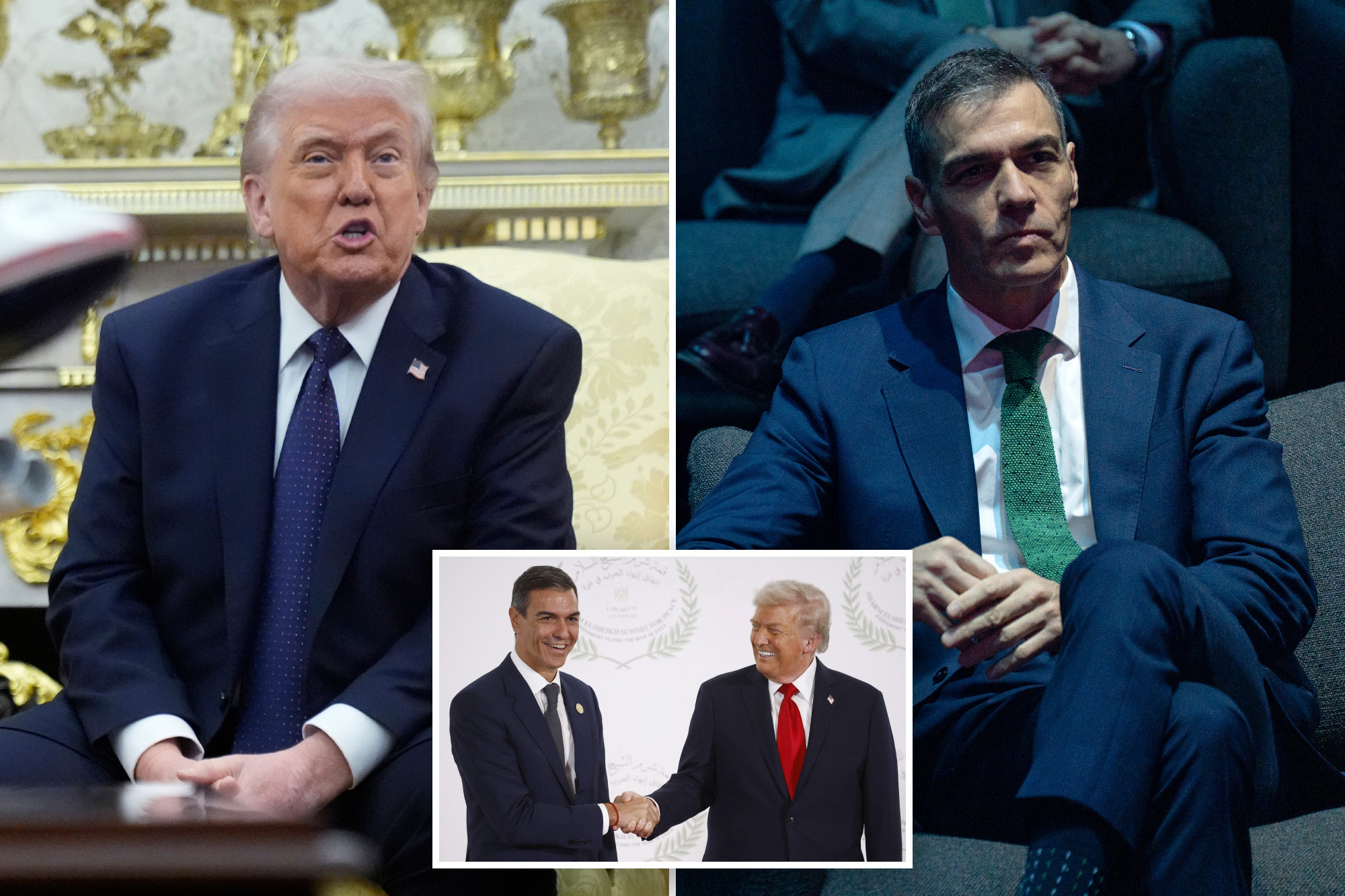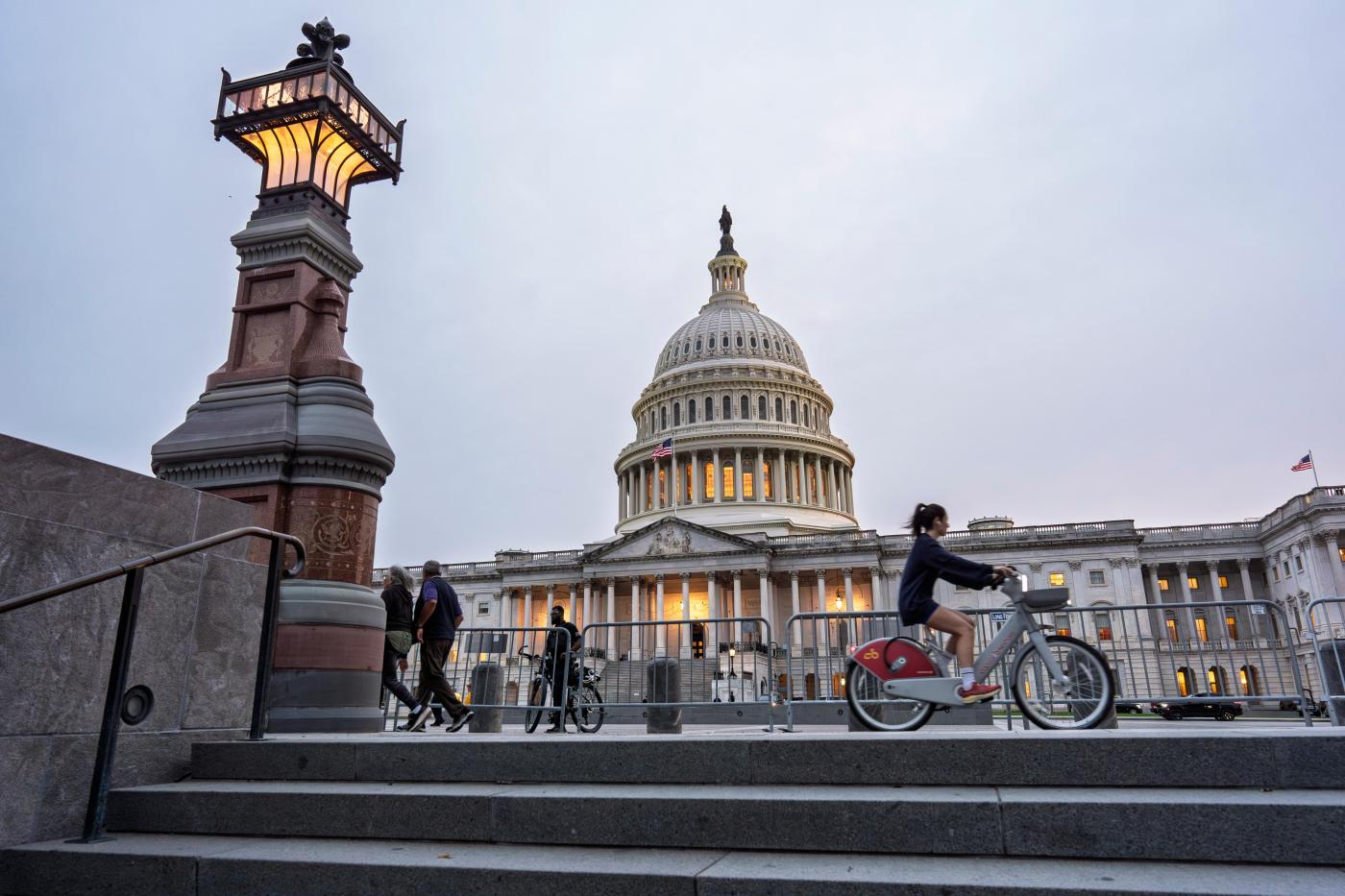
U.S. President Donald Trump is set to host the leaders of Congo and Rwanda on Thursday for the signing of a peace agreement aimed at ending the ongoing conflict in eastern Congo. The deal, known as the Washington Accords for Peace and Prosperity, is designed to facilitate access to the region’s vital mineral resources for American companies and the U.S. government. This agreement is being hailed by the White House as a “historic” achievement following extensive negotiations that included support from the African Union and Qatar.
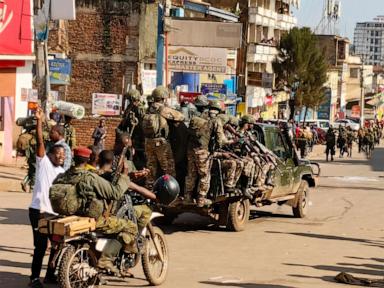
The conflict in eastern Congo has persisted for decades, involving over 100 armed groups. The most notable among them is the M23 rebel group, which has been accused of receiving backing from Rwanda. The situation escalated dramatically this year, with M23 taking control of key cities such as Goma and Bukavu, exacerbating an already severe humanitarian crisis characterized by millions of displaced individuals.
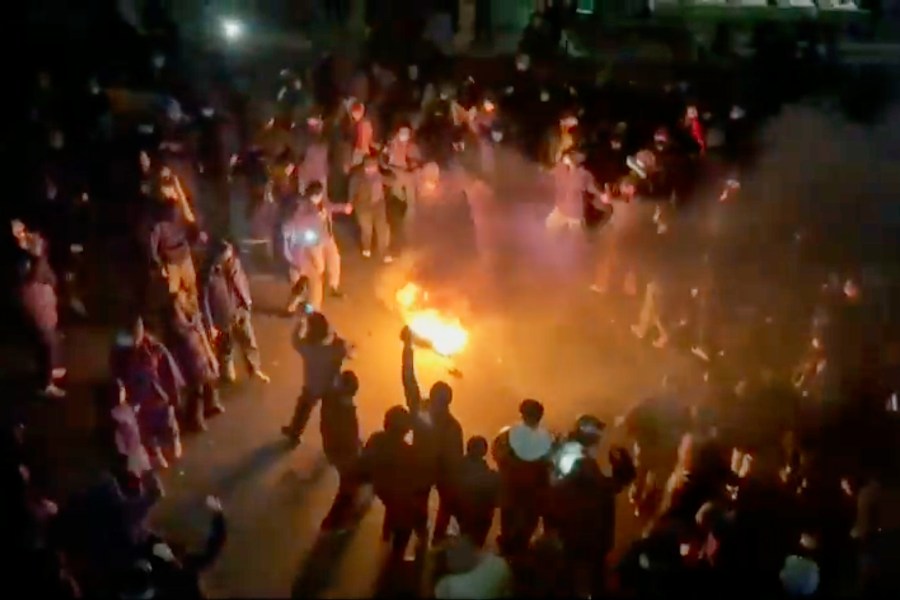
Despite the optimism surrounding the agreement, many residents in the affected areas remain skeptical. “We are still at war,” said Amani Chibalonza Edith, a 32-year-old resident of Goma, emphasizing that active conflict continues to undermine any prospects for lasting peace. Notably, fighting has persisted in the region, with reports of clashes between M23 rebels and Congolese soldiers as recently as this week.
Economic Partnerships and Mineral Access
Thursday’s pact will not only address immediate security concerns but also build on a Regional Economic Integration Framework established in November. This framework aims to define economic collaborations between Congo, Rwanda, and the U.S. The Trump administration has expressed interest in gaining access to Congo’s rare earth minerals, which are essential for manufacturing a range of products, including fighter jets and smartphones. Currently, China dominates this market, controlling nearly 70% of global rare earth mining and approximately 90% of processing.
The meeting is expected to include separate discussions between Trump, Congolese President Felix Tshisekedi, and Rwandan President Paul Kagame, followed by three-way talks culminating in the signing at the U.S. Institute of Peace in Washington. The event will also feature participation from various African leaders and a gathering organized by the U.S. Chamber of Commerce to connect American business leaders with investment opportunities in critical minerals, energy, and tourism.
Humanitarian Crisis and Ongoing Violence
As the political leadership seeks to negotiate peace, the humanitarian situation remains dire. Reports indicate ongoing clashes and rebel advancements in eastern Congo, with both M23 and Congolese forces accusing each other of violating ceasefire agreements made earlier this year. In recent weeks, fighting has flared in the central plateaus of South Kivu province, forcing thousands to flee their homes.
The consequences of the conflict have been compounded by cuts in U.S. funding for humanitarian aid, which previously played a crucial role in supporting the affected population. In Goma, a city with a pre-conflict population of around 2 million, the international airport remains closed, and essential government services have yet to resume, leading to increased crime and rising prices for goods. “We are waiting to see what will happen because so far, both sides continue to clash and attack each other,” remarked Moise Bauma, a 27-year-old student living in rebel-held Bukavu.
Both leaders from Congo and Rwanda have emphasized the importance of American involvement in facilitating peace. “We need that attention from the administration to continue to get to where we need to get to,” said Yolande Makolo, a senior adviser to Kagame. “We are under no illusion that this is going to be easy. This is not the end but it’s a good step.”
The roots of the conflict can be traced back to the aftermath of the 1994 genocide in Rwanda, which resulted in the death of between 500,000 and 1 million ethnic Tutsi and moderate Hutus. The subsequent influx of Hutu refugees into Congo created long-standing tensions, with Rwandan authorities alleging that some of these individuals have formed militias that threaten Rwanda’s security. The Congolese government has argued that sustainable peace is impossible without the withdrawal of Rwandan support for the M23 rebels, while Rwanda has conditioned a permanent ceasefire on the disbanding of Hutu militias operating alongside Congolese forces.
In the lead-up to the signing of the Washington Accords, the international community remains watchful. The success of these negotiations could have lasting implications for stability in the region, but the ongoing violence complicates the path to peace.