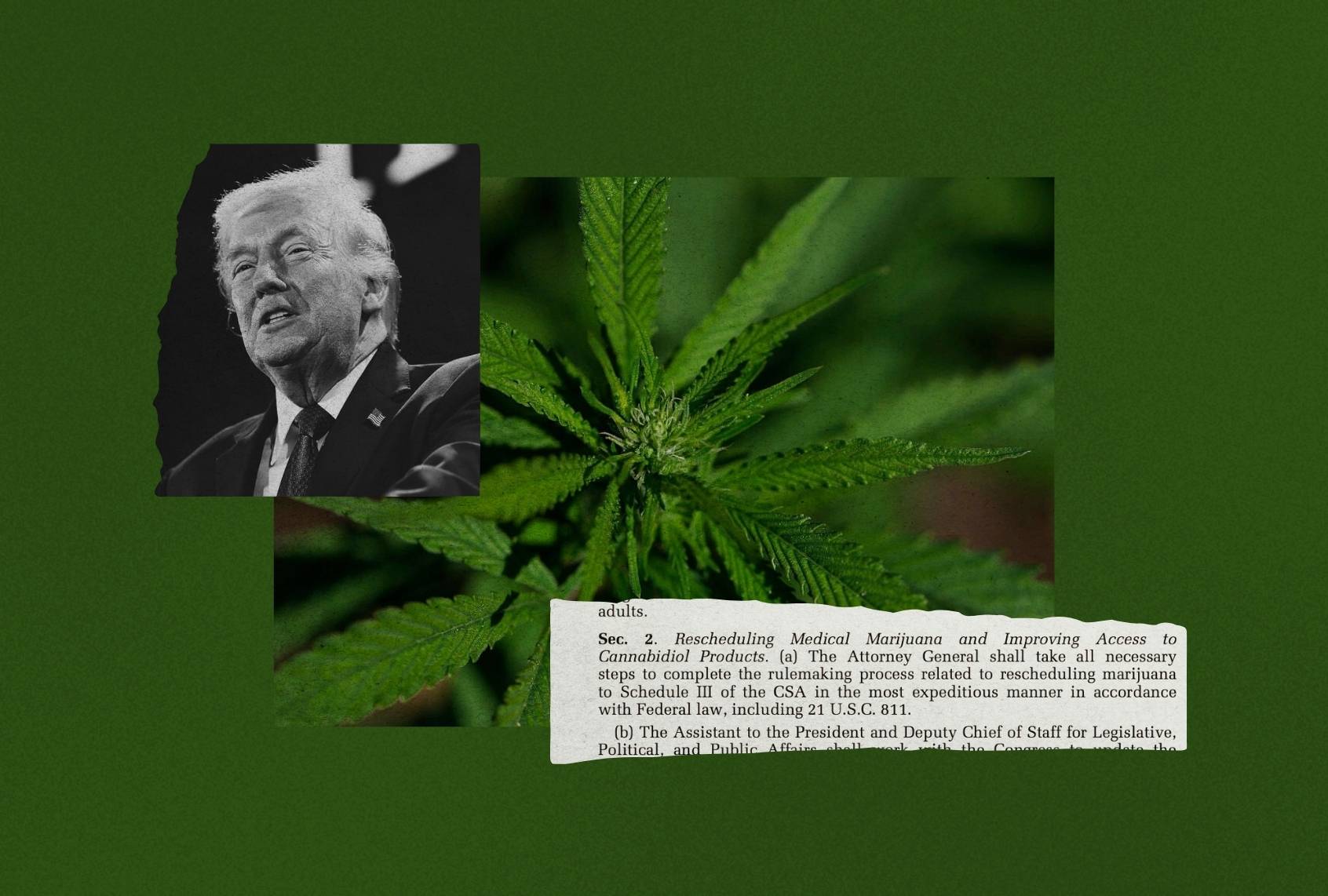
In December 2022, President Donald Trump instructed the Department of Justice to expedite the rescheduling of cannabis from Schedule I to Schedule III under the Controlled Substances Act (CSA). This directive aimed to facilitate research and ease regulatory burdens for businesses and consumers. However, skepticism is growing regarding the feasibility and timeline of this initiative, with some advocates suggesting that meaningful change could take years or even decades.
The CSA categorizes drugs into five schedules based on their potential for harm versus their medical utility. Currently, cannabis is classified as a Schedule I substance, alongside drugs like heroin and LSD. This classification creates significant barriers for research and complicates banking operations for cannabis-related businesses. Under Trump’s order issued on December 18, 2022, the Attorney General was tasked with completing the rescheduling process in a “most expeditious manner.”
Despite the promising language, industry advocates are doubtful about swift progress. Paul Armentano, deputy director of the National Organization for the Reform of Marijuana Laws (NORML), expressed concerns that the rescheduling process could be intentionally prolonged. “If parties want to drag this process out, the mechanisms exist within the administrative process that allow them to do so nearly indefinitely,” he noted.
Historically, rescheduling petitions have taken extensive periods to resolve, with NORML’s 1972 petition not concluding until 1994. Such delays raise questions about the true intent behind Trump’s directive, especially as it coincided with heightened tensions regarding foreign policy and other domestic issues.
Opposition to cannabis reform remains strong within the Trump administration. Notably, Attorney General Pam Bondi, a long-time critic of cannabis legalization, has influence over the rescheduling process. During her tenure as Florida’s Attorney General, Bondi claimed cannabis posed risks similar to those of opioids, despite the lack of substantial evidence supporting this viewpoint due to research restrictions linked to its Schedule I status.
Republican lawmakers are also working to maintain cannabis’s current classification. Senators James Lankford of Oklahoma and Tedd Budd of North Carolina attempted to insert provisions into a funding bill that would prevent the executive branch from altering cannabis’s status.
As cannabis-related arrests continue to dominate drug-related law enforcement actions—over 200,000 individuals were arrested in 2024 for possession alone—the call for reform grows louder. Even in states where cannabis has been legalized, arrests still account for a significant portion of drug-related offenses.
While some within the cannabis industry see rescheduling as a step forward, others argue for complete descheduling. Corey Coleman, co-founder of Sky High Brands, criticized the existing regulatory framework, stating, “I don’t think rescheduling is the answer. I think descheduling is actually the answer.” This perspective highlights the disparities in regulation between cannabis and hemp, which are both derived from the same plant yet face vastly different legal standards.
In response to inquiries about the progress of the rescheduling effort, a Justice Department official confirmed that they are evaluating the most efficient means of implementing the executive order.
As the debate over cannabis regulation continues, the outcome of this initiative remains uncertain, with advocates and opponents alike preparing for what could be a protracted legal and political battle.