President Donald Trump’s administration has unveiled a new National Security Strategy that emphasizes a vision of “The President of Peace.” This strategy outlines an ambitious foreign policy agenda, aiming to shift America’s focus back to the Western Hemisphere while also addressing conflicts in Europe, particularly in relation to Russia and Ukraine. However, experts warn that certain elements of this strategy could inadvertently embolden Russian President Vladimir Putin, leading to severe consequences for European stability.
The strategy lays out a historical context, referencing approaches from over a century ago, and introduces a new Trump Corollary to the Monroe Doctrine, reminiscent of past U.S. interventions. It underscores the need for economic power, echoing historical tariffs, and emphasizes a military buildup reminiscent of Ronald Reagan’s peace-through-strength doctrine. Yet, it also reflects an isolationist sentiment that could jeopardize transatlantic alliances.
In particular, the strategy’s treatment of NATO raises critical concerns. While it states that the U.S. supports its allies in preserving European security, the language falls short of the firm commitment encapsulated in NATO’s Article 5, which asserts that an attack on one member is an attack on all. This shift in rhetoric contrasts sharply with President Joe Biden’s commitment to defend “every inch” of NATO territory, leading to doubts about America’s long-term dedication to European defense.
Concerns Over European Defense Readiness
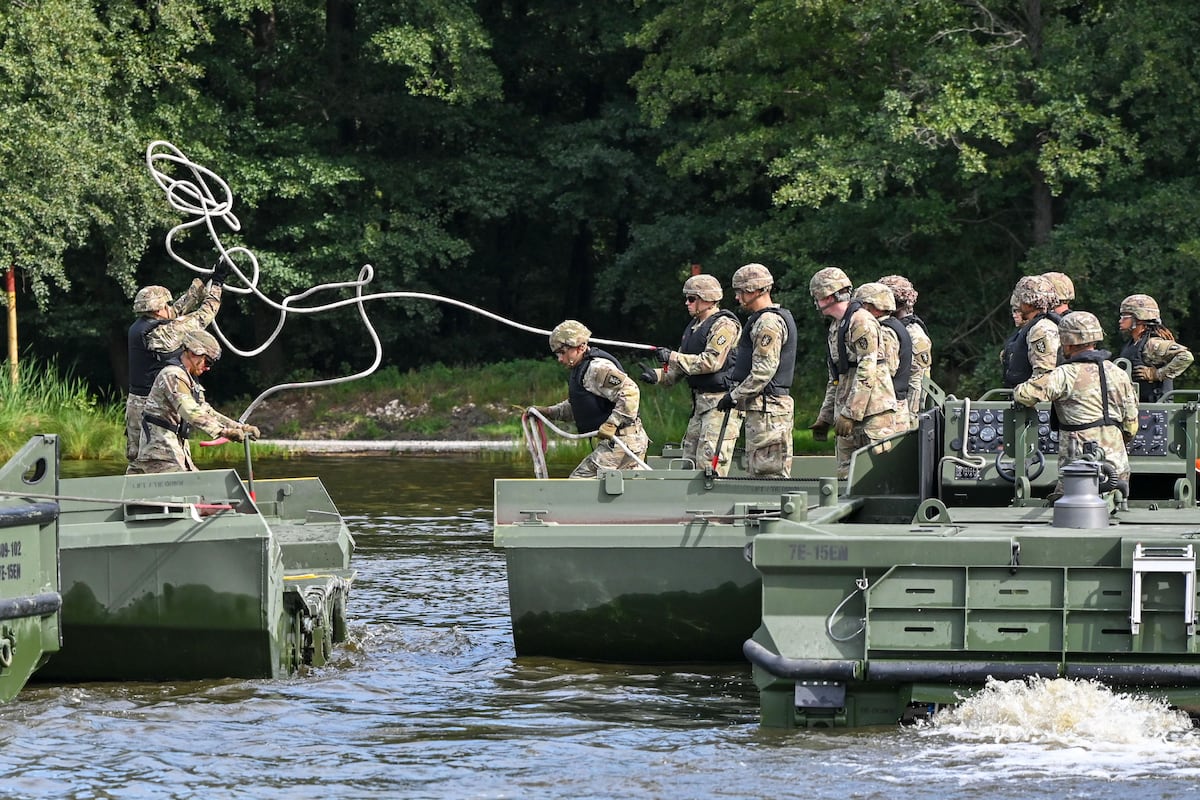
Trump’s strategy criticizes European nations for their economic “decline” and suggests that they must take greater responsibility for their own defense. Administration officials have proposed a 2027 deadline for Europe to become the primary defender of its territory. Analysts argue that this expectation is unrealistic, given the time required for Europe to develop capabilities that the U.S. currently provides, such as operational intelligence and missile defense systems.
The strategy also highlights military deterrence in Asia but fails to apply the same urgency to European security. By placing Europe as a lower priority, it risks providing Putin with an impression of vulnerability, potentially leading to further miscalculations, similar to historic precedents seen in the early 20th century.
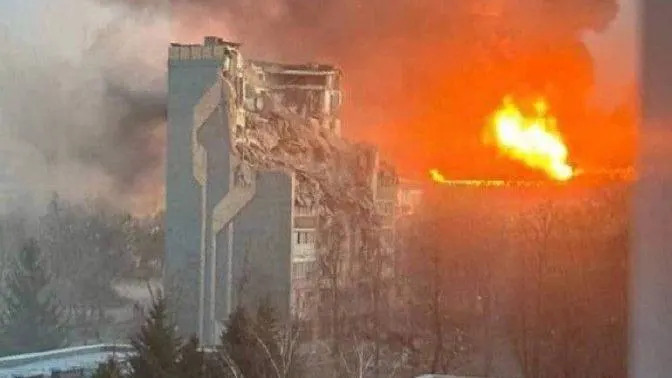
The ongoing conflict in Ukraine is at the forefront of these discussions. The strategy calls for an expedited cessation of hostilities and reestablishing stability with Russia, while seemingly downplaying Russia’s role as the aggressor. It places some blame on European governments for “unrealistic expectations,” which could undermine efforts to support Ukraine effectively.
Need for Stronger Transatlantic Cooperation
Experts suggest that immediate steps are necessary to restore credible deterrence in Europe. This includes reaffirming America’s commitment to NATO and ensuring that U.S. troop withdrawals do not compromise security in the region. Trump is encouraged to adopt a clearer stance that recognizes Russia’s aggressive actions in Ukraine.
In parallel, European nations are urged to accelerate defense spending in line with the proposed goal of 5% of GDP by 2035. This approach would not only bolster their military capabilities but also strengthen the transatlantic alliance. Furthermore, a new compact may be needed to redefine roles and responsibilities within NATO, fostering a collaborative environment for both sides.
As history has shown, miscalculations can lead to devastating conflicts. The lessons from past leaders—such as Kaiser Wilhelm II, who misjudged American neutrality, and other figures who underestimated the resolve of their adversaries—serve as a cautionary tale. Putin’s previous assumptions about the ease of military success in Ukraine reflect a dangerous pattern that could repeat itself if current U.S. strategies do not provide the necessary support and clarity.
As the global landscape evolves, effective diplomacy and robust defense strategies will be crucial to maintaining peace and stability in Europe. The Trump administration’s approach must balance its historical influences with a commitment to ensure that miscalculations do not lead to further conflict.