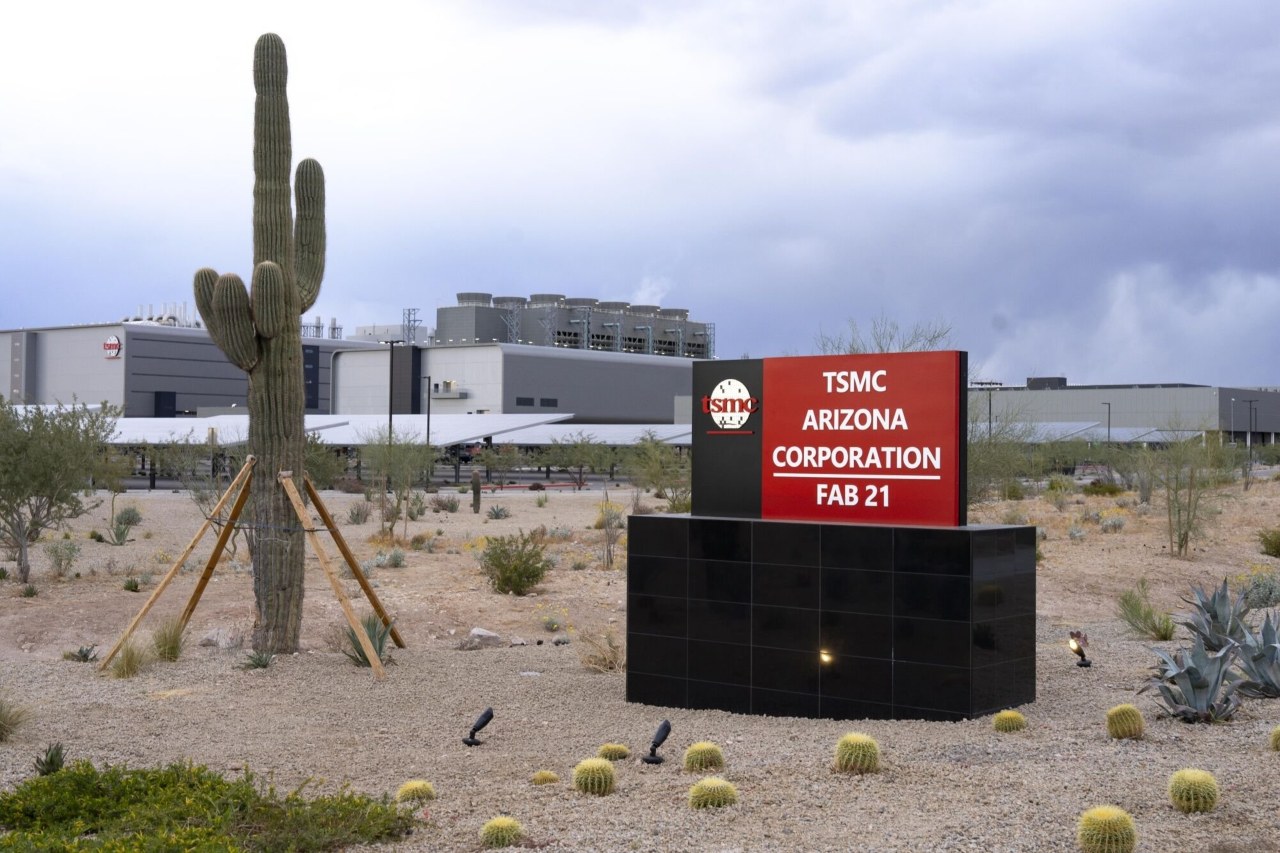
Taiwan Semiconductor Manufacturing Company (TSMC) is significantly expanding its operations in the United States, driven by both commercial opportunities and geopolitical considerations. This move marks a pivotal shift as TSMC aims to bolster its production capabilities beyond its home base in Taiwan.
The company announced plans to invest approximately $40 billion in a new semiconductor fabrication plant located in Phoenix, Arizona. This facility is expected to commence production in 2024 and will create around 4,800 jobs, with thousands more anticipated through supply chain and operational support roles.
Historically, TSMC has played a crucial role in Taiwan’s economy, often referred to as providing a “Silicon Shield” for the island. This metaphor highlights the company’s importance in safeguarding Taiwan’s technological sovereignty. However, increasing geopolitical tensions in the region, particularly with China, have prompted TSMC to reassess its operational strategy.
The semiconductor industry has become a focal point in global trade discussions, with the U.S. government emphasizing the need for domestic chip production to reduce reliance on foreign sources. In this context, TSMC’s expansion aligns with U.S. efforts to secure its technological supply chains.
According to TSMC’s Chairman, Mark Liu, the decision to invest in the United States is not solely about mitigating risks but also about tapping into a burgeoning market. Liu stated that “the U.S. represents an important opportunity for TSMC to further enhance our global competitiveness and serve our customers better.”
The new facility in Arizona will manufacture advanced chips that power various applications, from consumer electronics to automotive technology. This aligns with the broader trend of increasing demand for semiconductors as industries adapt to digital transformation.
In addition to the immediate job creation, TSMC’s investment is poised to have long-term implications for the semiconductor landscape. The company also plans to collaborate with local universities and research institutions to foster innovation and develop talent in the region.
The expansion comes at a time when global semiconductor supply chains are under strain. The COVID-19 pandemic highlighted vulnerabilities, leading to shortages that affected numerous industries. By establishing a more robust presence in the U.S., TSMC aims to mitigate these risks and ensure more stable supply chains.
As TSMC moves forward with its plans, the implications extend beyond business. The investment represents a significant shift in the semiconductor industry, with potential ripple effects on global trade dynamics and international relations. The company’s commitment to the U.S. market is not just a response to current events but a strategic pivot that could redefine its future.
With production set to begin in 2024, TSMC is positioning itself to lead in a rapidly evolving technological landscape, ensuring that it remains at the forefront of semiconductor manufacturing while navigating the complexities of global geopolitics.