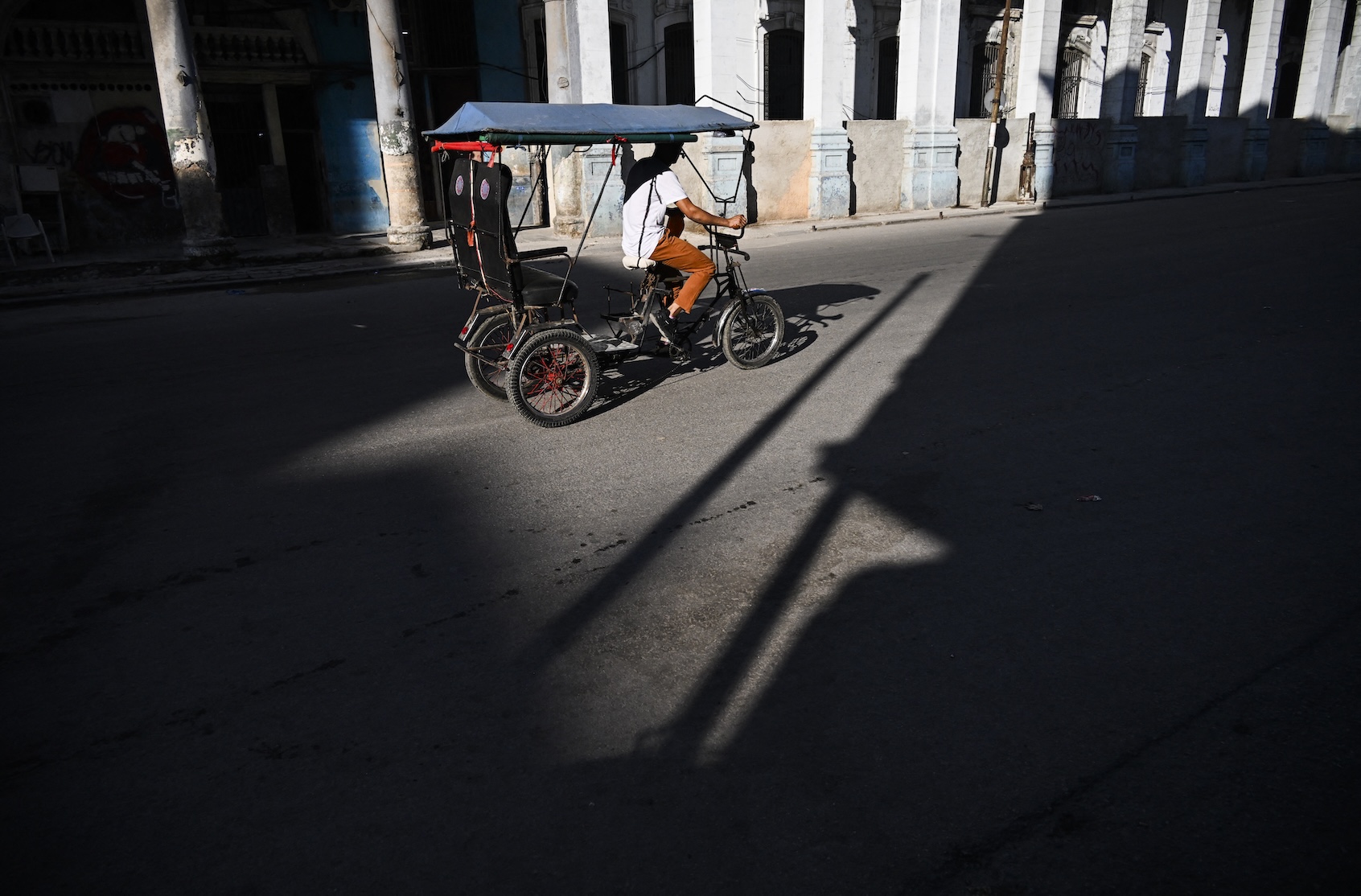
The ongoing U.S. fuel blockade is exacerbating the humanitarian crisis in Cuba, leading to severe shortages of essential resources. Residents like Marta Jiménez, a hairdresser in the eastern city of Holguín, express helplessness as they navigate daily life under increasingly dire conditions. “You can’t imagine how it touches every part of our lives,” she said, detailing the impact of restricted oil shipments on transportation, electricity, and cooking.
The blockade has created a situation where public transportation is nearly non-existent due to a lack of gasoline. With only a few hours of electricity available each day, many Cubans are forced to resort to burning wood and charcoal for cooking, reminiscent of life a century ago. “The blockade is suffocating us — especially single mothers,” Jiménez added, highlighting the disproportionate impact on vulnerable communities.
Humanitarian efforts are becoming more critical as conditions deteriorate. Recently, volunteers delivered 2,500 pounds of lentils to Holguín, facilitated by organizations such as CODEPINK and the Cuban-American group Puentes de Amor. While such aid is vital, it cannot address the broader issue of fuel shortages that are crippling the nation’s infrastructure.
The atmosphere in Holguín reflects a stark reality. With no taxis available at the airport, visitors hitchhike into town. The streets are eerily quiet, filled with bicycles and electric vehicles, but lacking the gasoline-powered cars that were once common. The cost of these electric motorcycles, often imported from countries like Japan and Panama, remains prohibitively high, with prices nearing $2,000. Only those receiving remittances from abroad can afford such luxuries.
The economic situation is dire for many Cubans. Javier Silva, a 35-year-old local, lamented, “I could never buy one of those on my salary of 4,000 pesos a month.” With inflation soaring, the exchange rate for the dollar has climbed to approximately 480 pesos, rendering his income worth less than $10.
Despite the challenges, Cuba maintains a universal healthcare system that remains free of charge, although it struggles with shortages of medicines and equipment. Jiménez recounted how her partner received prompt asthma treatment without bureaucratic hurdles. “That’s what health care looks like when it’s treated as a human right,” she emphasized.
Food insecurity is the largest concern for many households. Although markets are stocked, prices for basic staples like pork, chicken, and even tomatoes have skyrocketed, leaving many families unable to afford them. The agricultural landscape suffered a significant blow this year when Hurricane Melissa devastated crops, further complicating the ability to recover without fuel for machinery and irrigation.
As the private sector shrinks due to strict U.S. sanctions, production across various industries grinds to a halt. Factories struggle to operate without electricity, and many skilled workers have abandoned state jobs for better opportunities elsewhere. Jorge, who now sells bologna in the market, was once an engineer, while Verónica, a former teacher, sells her homemade sweets—when the power is on.
Public sentiment reveals a mix of frustration and resilience. Many Cubans openly criticize their government and express a desire for change, yet they do not support the blockade. “This government is terrible,” a money changer remarked, but when shown a photo of Marco Rubio, he responded, “That man is the devil.” This sentiment underscores the complex feelings toward U.S. policies and their impact on everyday lives.
The period from 2014 to 2016 saw a thaw in relations between the U.S. and Cuba, thanks in part to agreements between Barack Obama and Raúl Castro. Many residents remember the improvements in their lives during this time, emphasizing that it was the same government yet with fewer restrictions. “If they just left us alone, we could find our own solutions,” one man stated.
Cubans are relying on each other more than ever to cope with the ongoing crisis. They engage in bartering and share resources to get by, often improvising solutions to meet their needs. Government assistance exists for the most vulnerable, but as food and fuel become scarcer, sustaining these programs is increasingly challenging.
An elderly volunteer at a local feeding center described his daily struggle to gather firewood, showing pride in his resourcefulness. “This guarantees tomorrow’s meal,” he noted. The resilience of the Cuban people shines through their ability to adapt, but uncertainty looms about the future.
As conditions worsen, the question remains: how long can Cubans endure this blockade? While Marco Rubio calls for regime change, many are skeptical about what that would entail or who might replace the current government. Some humorously suggested a deal with Trump, envisioning a Mar-a-Lago in Varadero, but the reality is far more complex.
Ultimately, many residents like Ernesto, who repairs refrigerators when power is available, express unwavering hope in their people. “We’re rebels,” he asserted, recalling Cuba’s history of resilience against adversity. “We’ll survive this too.” He quoted the famous line by songwriter Silvio Rodríguez: “Time belongs to the small, the exposed, the forgotten,” reflecting a belief in the enduring spirit of the Cuban population.