The United States conducted airstrikes against suspected ISIS militants in northwest Nigeria on March 14, 2024. According to the US Africa Command (AFRICOM), the strikes targeted locations in Sokoto State, although further details about the operation remain undisclosed due to security concerns.
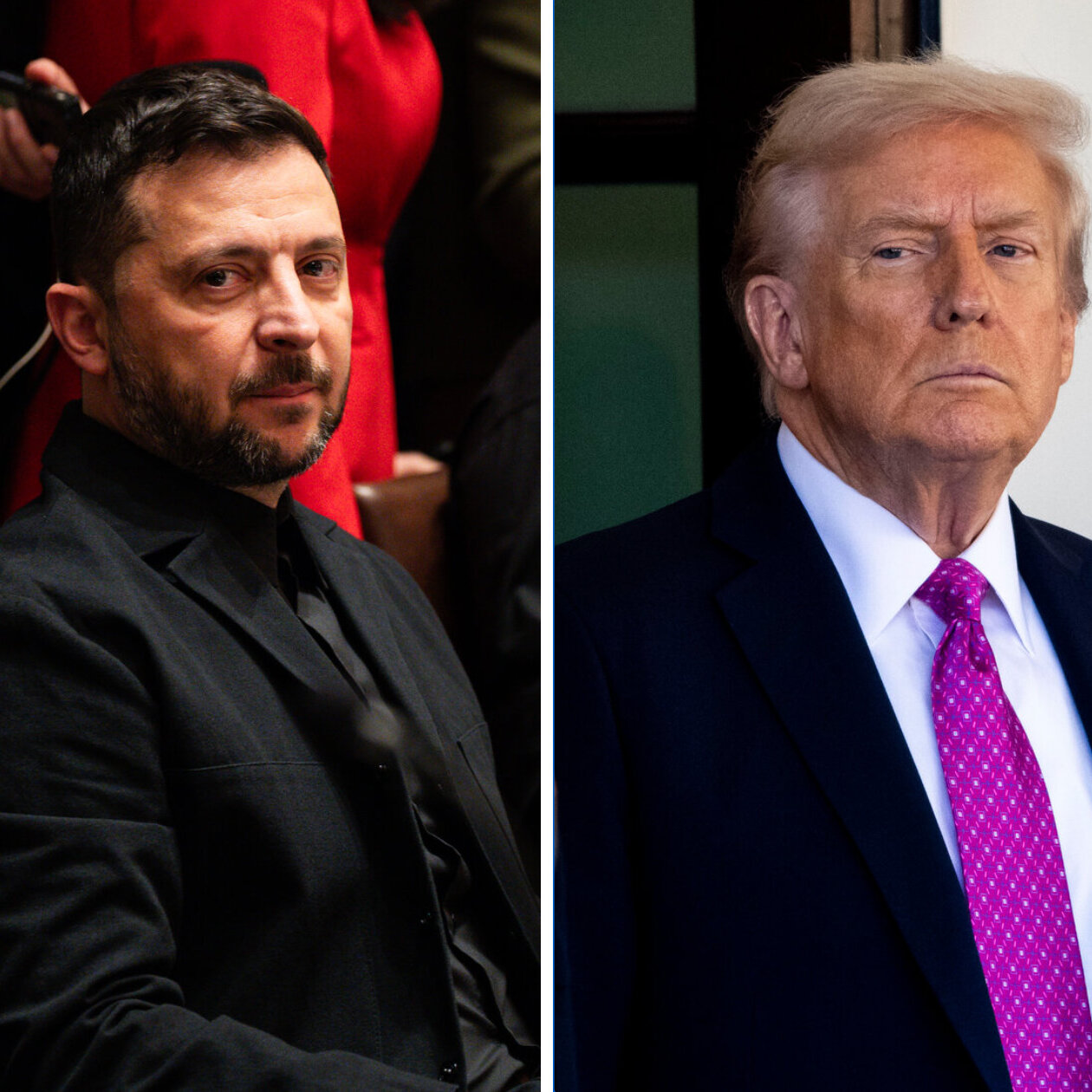
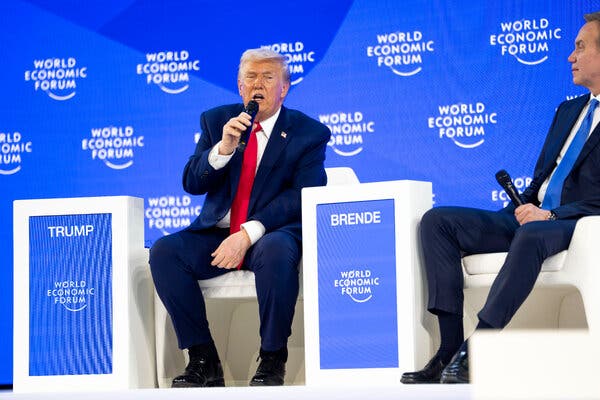
President Donald Trump announced the strikes on his social media platform, emphasizing their significance as a response to violence against Christians in the region. He stated, “Tonight, at my direction as Commander in Chief, the United States launched a powerful and deadly strike against ISIS Terrorist Scum in Northwest Nigeria.” Local residents in Jabo town expressed surprise at the airstrikes, noting a lack of prior military action in the area for nearly two years. Reports indicate that strikes were aimed at the villages of Warriya and Alkassim, known to be associated with militant activities.
In a statement to the BBC, Nigerian Foreign Minister Yusuf Maitama Tuggar characterized the operation as a “joint operation” that was not based on religious factors. Tuggar mentioned that the planning for these strikes had been underway for “quite some time,” suggesting that further military actions may follow.
Legal Context and Military Justifications
The authority for such military operations is derived from the US Constitution, which grants the president the power to order military actions. However, substantial offensive operations typically require congressional approval under the War Powers Resolution. The Congressional Research Service indicates that various presidents have engaged military forces without this authorization since the resolution’s inception.
These airstrikes raise questions regarding compliance with international law. Customary International Humanitarian Law (CIHL) mandates that military targets should be legitimate objectives. Additionally, military action can be justified under the inherent right of self-defense, as recognized by Article 51 of the United Nations Charter. For self-defense provisions to apply, military actions must respond to an armed attack and be reported promptly to the Security Council.
The legality of the recent airstrikes may also be analyzed in relation to previous military operations, including the US’s bombing of Iranian nuclear facilities, which was similarly justified under Article 51.
Background on Violence in Nigeria
The airstrikes occur amid escalating violence in Nigeria, particularly against Christian communities. In October 2025, President Trump designated Nigeria as a “country of particular concern” due to increasing reports of persecution. The situation has been exacerbated by mass abductions affecting both Muslim and Christian populations. Notably, a wave of violence in November 2025 resulted in the kidnapping of over 300 school children and 12 students, primarily in regions outside Sokoto State.
As the situation unfolds, the implications of these airstrikes for both US-Nigerian relations and regional security remain to be seen. The international community will likely watch closely as Nigeria continues to combat terrorism and sectarian violence while balancing its sovereignty and the need for foreign military assistance.