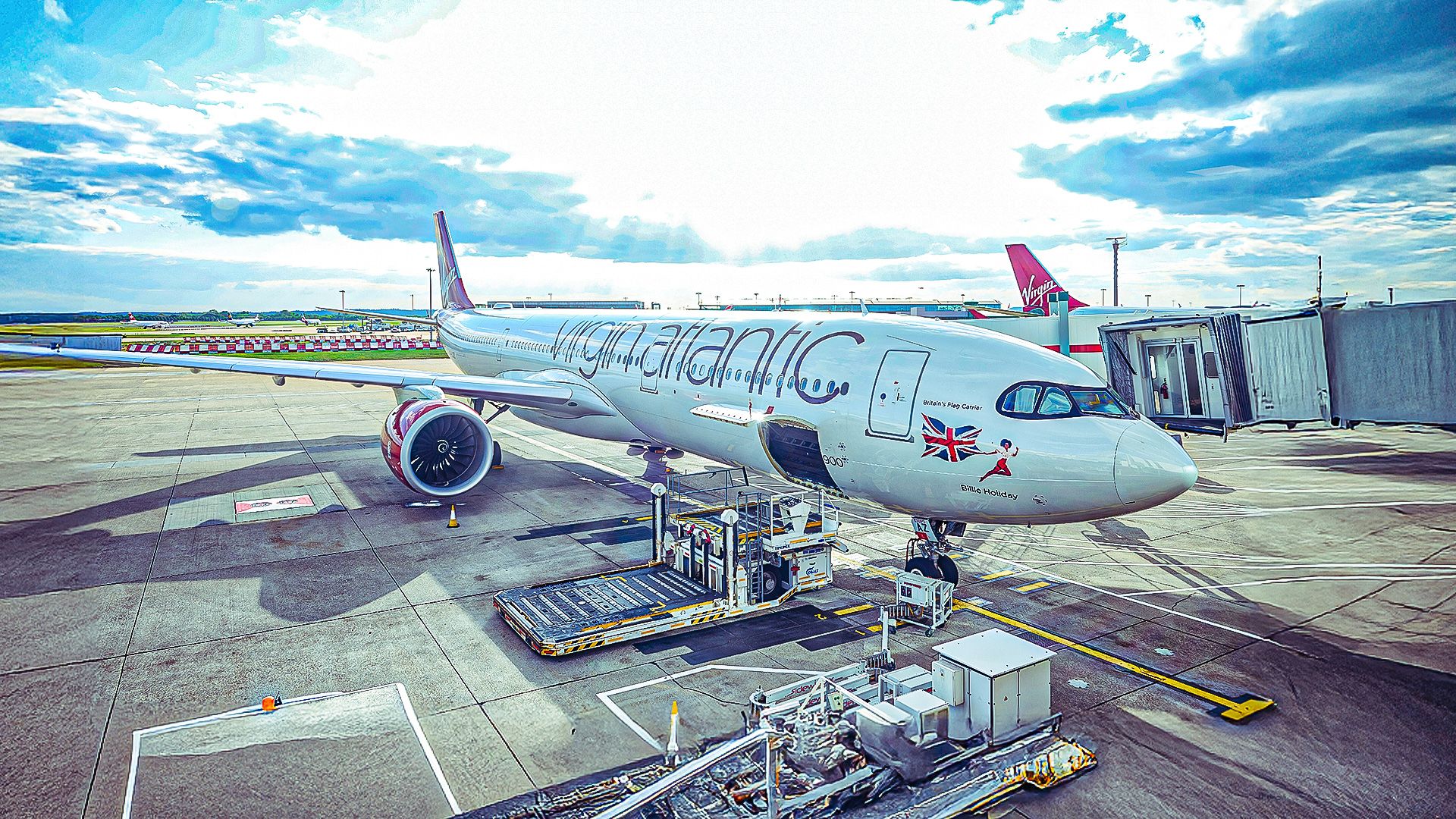
A passenger on a Virgin Atlantic flight was apprehended at Miami International Airport (MIA) this week after authorities discovered 65 pounds of marijuana packed in her suitcases. The traveler, identified as Begum Mulazimoglu, 22, was preparing to board a flight to London Heathrow Airport (LHR) when customs officers detected a potent odor emanating from her luggage.
During routine baggage screening, Mulazimoglu’s two hard-sided suitcases raised suspicion due to the strong smell. The bags underwent further inspection, including X-ray screening, which revealed 60 vacuum-sealed bundles of marijuana—30 in each suitcase. Each bundle contained an Apple AirTag, a tracking device often used by traffickers to monitor their illicit cargo.
Mulazimoglu, a resident of London, claimed ownership of the bags and was found to have approximately $1,000 in cash, both in US dollars and British pounds. Following her arrest, she was charged with a first-degree felony related to drug trafficking.
Legal Consequences and Context
The legal ramifications for Mulazimoglu are significant. Under Florida law, a first-degree drug trafficking charge carries a mandatory minimum prison sentence of three years. This baseline penalty reflects the serious nature of the crime, especially given the large quantity of marijuana involved. Although marijuana is classified as a softer narcotic and is legal in several US states, transporting significant amounts internationally remains illegal.
In her bond hearing, Miami-Dade Judge Victoria Sigler remarked, “It looks like you’re charged with illegal trafficking in 65 pounds of marijuana. Well, that would be heavy.” Recent trends in drug sentencing indicate that while those convicted of marijuana trafficking may receive lighter sentences compared to traffickers of harder drugs, the sheer volume in this case complicates Mulazimoglu’s situation.
For context, sentences for marijuana-related offenses have varied widely. In a notable case from 2019, a former baggage handler at Southwest Airlines received a 30-month prison term for his involvement in smuggling 550 pounds of marijuana. In contrast, traffickers of cocaine or methamphetamine often face sentences exceeding 10 years due to the stricter legal classifications of these substances.
Airport Security and Drug Trafficking Trends
The detection of Mulazimoglu’s contraband highlights ongoing challenges in combating drug trafficking at airports. Customs and Border Protection (CBP) has reported significant seizures of illegal drugs, with over 573,000 pounds (259,900 kg) confiscated at US borders in fiscal year 2024. Enhanced airport security measures, including modernized screening technologies, have played a crucial role in these efforts.
A recent initiative by the CBP, known as the International Remote Baggage Screening program, allows officers to review X-ray images of baggage at foreign airports. This proactive approach aims to identify suspicious bags prior to their arrival in the United States, thus improving detection rates and enhancing security protocols.
As drug trafficking methods evolve, opioids, particularly fentanyl, have emerged as a primary concern. According to the Centers for Disease Control and Prevention (CDC), fentanyl was responsible for over 48,000 overdose deaths in the US last year. The CBP is currently testing new detection techniques, including a trace-vapor analysis tool designed to identify the presence of fentanyl.
The ongoing situation illustrates the complexities of drug trafficking and enforcement in an increasingly interconnected world. As authorities continue to adapt their strategies, incidents like Mulazimoglu’s arrest serve as a reminder of the persistent challenges in curbing illegal drug transport.