The White House has expressed significant dissatisfaction with Israel following the recent killing of a senior Hamas commander. This incident has raised tensions between U.S. officials and Israeli leadership, particularly as it pertains to ongoing efforts to stabilize the Gaza region.
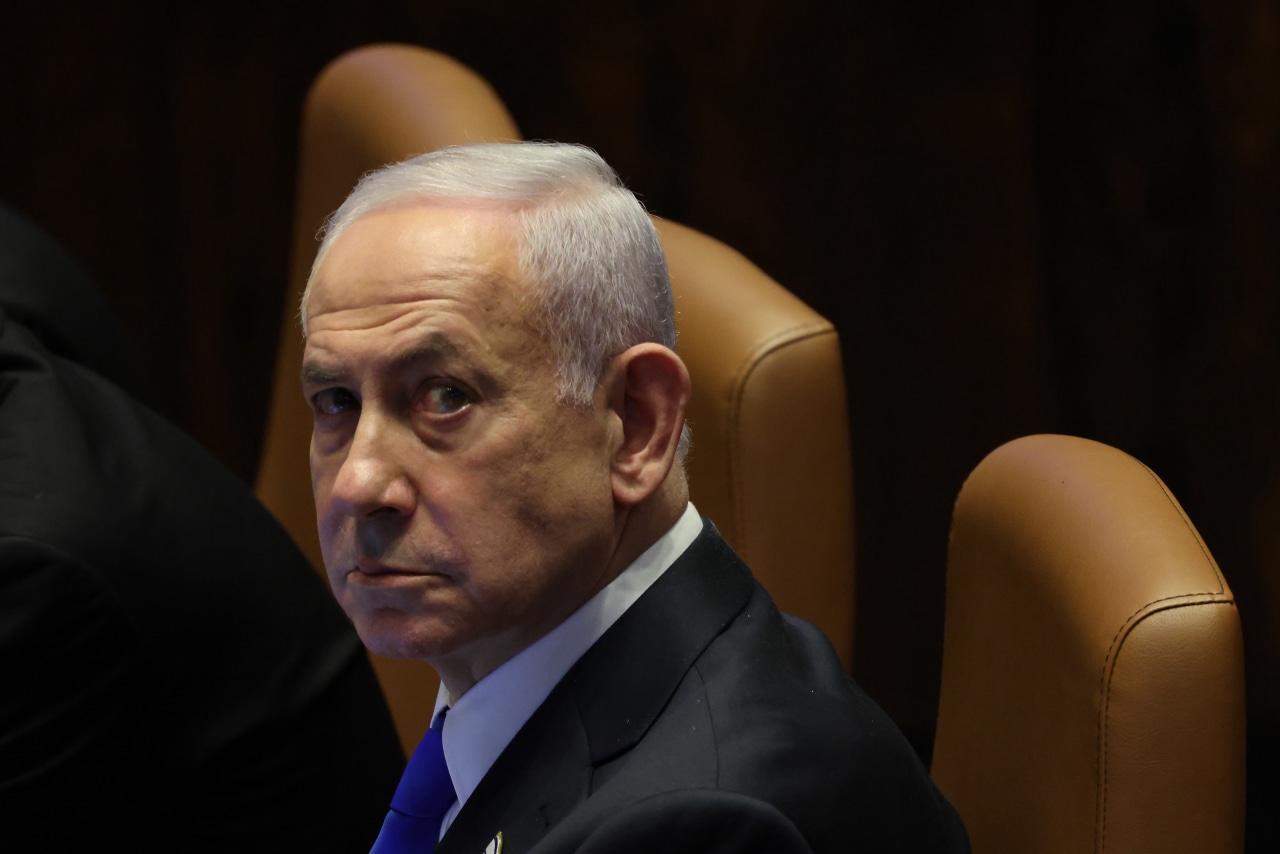
According to sources within the U.S. administration, former President Donald Trump has conveyed his frustration directly to Israeli Prime Minister Benjamin Netanyahu. Trump reportedly believes that Netanyahu’s actions are undermining a proposed agreement aimed at ceasing hostilities in Gaza and facilitating reconstruction efforts in the area.
The U.S. has been actively involved in mediating discussions to bring about peace and recovery in Gaza, which has faced widespread devastation due to ongoing conflicts. The killing of the Hamas commander came at a time when diplomatic efforts were gaining momentum, complicating the situation further.
Diplomatic Fallout
The White House’s anger is rooted in concerns that Israel’s military actions could derail negotiations. U.S. officials had hoped for a more stable environment that would allow for humanitarian aid and rebuilding efforts to take place. The reaction from the U.S. suggests a potential shift in how Washington views its relationship with Israel, particularly under the current administration.
In recent statements, officials have emphasized the need for restraint and dialogue to advance peace in the region. The U.S. administration has consistently advocated for a two-state solution, which aims to address the aspirations of both Israelis and Palestinians. However, escalating violence poses a significant challenge to these efforts.
Reports indicate that the relationship between the U.S. and Israel has become increasingly complicated. Netanyahu’s government has faced criticism from various quarters, including allies in Washington, over its handling of military operations in Gaza. The U.S. remains a crucial ally for Israel, but the response to recent events reflects a growing impatience with actions that jeopardize broader peace initiatives.
Future Implications
As the situation continues to unfold, analysts are closely monitoring the implications of this diplomatic rift. The U.S. has historically provided significant financial and military support to Israel, but the recent tensions may prompt a reevaluation of that assistance in light of ongoing violence.
The U.S. administration’s strong stance indicates a desire for accountability and a commitment to achieving peace in a region that has long been embroiled in conflict. With the stakes higher than ever, the actions taken by both the U.S. and Israel in the coming weeks will be pivotal in shaping the future of Gaza and its relationship with the international community.
The White House has made it clear that it will continue to push for a resolution that prioritizes humanitarian needs and long-term stability, even as it navigates the complexities of its alliance with Israel. The outcome of these intergovernmental discussions will be crucial not only for the region but also for U.S. foreign policy moving forward.