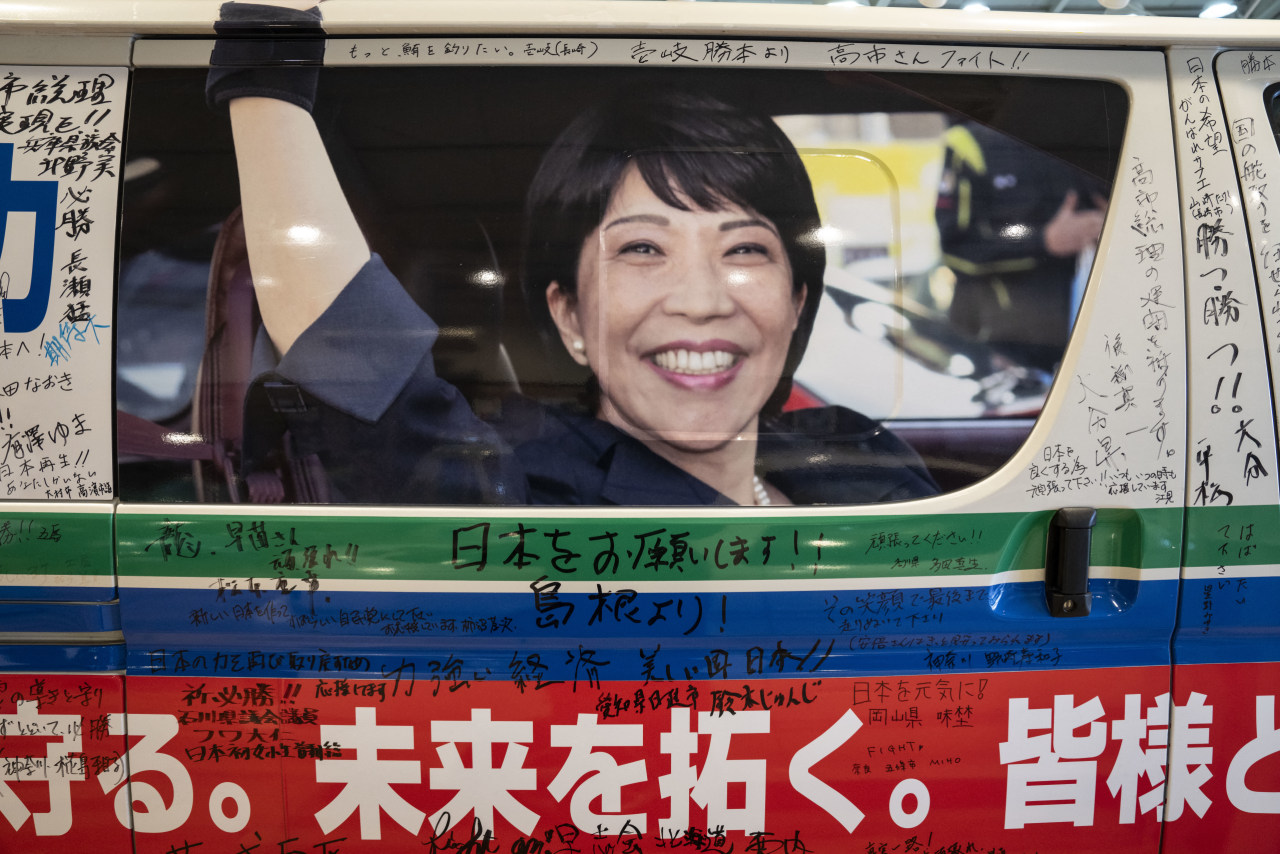
Japan’s upcoming elections are seeing a notable shift as young voters increasingly rally behind Sanae Takaichi, the country’s Minister of Internal Affairs and Communications, and a prominent figure in the ruling Liberal Democratic Party (LDP). Her blend of a diligent work ethic and adeptness with social media is striking a chord with the younger demographic, indicating a potential shift in political dynamics as the nation approaches the 2025 election.
Takaichi, who has gained prominence for her energetic campaigning, is leveraging platforms like Twitter and Instagram to connect with younger voters. With over 200,000 followers on social media, she presents herself as relatable and approachable, breaking away from traditional political norms. This strategy appears to be resonating well; recent surveys indicate that approximately 60% of voters aged 18-29 view her favorably.
The significance of Takaichi’s appeal lies not only in her personal brand but also in her policy proposals, which focus on issues that matter to younger citizens. These include economic revitalization, job creation, and a commitment to sustainable development. Her platform emphasizes the importance of addressing the unique challenges faced by young people in Japan, such as high youth unemployment rates and the cost of living.
Engagement Strategies and Voter Sentiment
Takaichi’s engagement strategies have led to lively discussions in various online forums and social media platforms. Many young voters express a sense of connection with her, citing her transparency and willingness to engage in dialogue. In a recent online poll conducted by the Asahi Shimbun, Takaichi received high marks for her communication style, with 75% of respondents appreciating her direct approach.
Critics of Takaichi, however, argue that her popularity is partly fueled by the novelty of her social media presence rather than a deep understanding of policy. They caution that while her image may attract young voters, the actual impact of her proposed policies remains to be seen. Nevertheless, her team continues to amplify her online presence, showcasing her as a proactive leader who listens to the concerns of her constituents.
The LDP has recognized the changing landscape and is adapting its campaign strategies to better engage with younger voters. Takaichi’s leadership role in this effort reflects a broader recognition within the party of the need to evolve its image and policies to remain relevant in a rapidly changing society.
Future Implications for Japan’s Political Landscape
As the election date approaches, Takaichi’s rising popularity among young voters could signal a significant shift in Japan’s political landscape. Traditionally, younger voters have been less engaged in elections, but Takaichi’s efforts may inspire a new wave of political participation. If her support continues to grow, it could lead to a stronger presence of youth voices in government.
Political analysts are closely watching these developments, as they could have long-lasting implications for the LDP and Japanese politics as a whole. The growing engagement of young voters hints at an evolving political consciousness that prioritizes accountability, transparency, and direct communication.
In summary, Sanae Takaichi is not only capturing the attention of younger voters but is also redefining how politicians can connect with the electorate. As Japan heads into the 2025 elections, her influence may help shape the future of the country’s political landscape, reflecting a generation eager for change and representation.