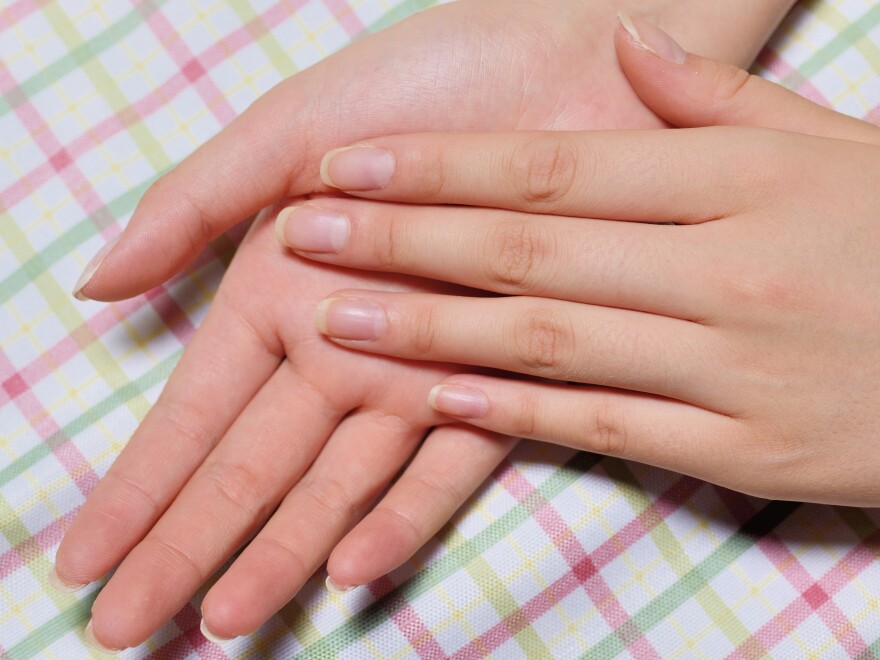
Caring for nails often takes a back seat to other aspects of personal grooming, but experts emphasize that maintaining healthy nails is crucial. Professional nail technician Titilayo Bankole highlights the importance of nail care, noting that nails play a vital role in everyday tasks. Losing a nail can hinder simple actions like picking up small objects or buttoning shirts, underscoring their functional significance.
To ensure your nails remain strong and healthy, adopting good hygiene practices is essential. According to Dr. Shari Lipner, a professor of clinical dermatology and director of the nail division at Weill Cornell Medical Center, many individuals unknowingly damage their nails by picking at cuticles or overexposing them to water. Neglecting nail care can lead to brittle nails, painful hangnails, and even infections that extend beyond the fingers and toes.
Key Habits for Nail Care
Here are seven effective habits recommended by experts to promote nail health.
1. **Protect Your Cuticles**: The cuticle serves as a protective barrier against bacteria and fungi. Removing or trimming cuticles can expose the nail to infections, says dermatologist Dr. Dana Stern. Instead of cutting them, gently push them back with a washcloth after showering to keep them neat while maintaining their protective function.
2. **Address Hangnails Promptly**: Hangnails often occur due to dryness. To manage them, use nail clippers or scissors to trim them at the base immediately. Avoid excessive cutting, and if necessary, seek professional help.
3. **Choose the Right Nail Shape**: Cutting nails straight across can help prevent ingrown nails, which occur when a nail grows into the skin. If you prefer a rounded shape, be cautious; a curved cut can lead to complications. After cutting, smooth sharp edges with a glass or crystal nail file, which helps seal the nail edge and reduces the risk of splits.
4. **Break the Nail-Biting Habit**: Biting nails can lead to infections and discoloration. Dr. Lipner stresses the importance of breaking this habit, as it can also spread warts to other body parts.
5. **Moisturize Regularly**: Hydration is key to maintaining healthy nails. Using cuticle oil, particularly blends containing grapeseed oil and vitamin E, can nourish and protect nails. Dr. Stern suggests that even common oils like olive oil can provide adequate hydration.
6. **Mind Your Manicures**: Frequent use of acetone-based polish removers can cause brittleness. Additionally, extended wear of nail polish can stain nails. Dr. Stern advises taking breaks from heavy gels or acrylics to allow natural nails to recover and breathe.
7. **Assess Nail Health Regularly**: Healthy nails are free from discoloration, cracks, and excessive ridges. Any significant changes should prompt a visit to your dermatologist to rule out underlying health issues, as nails can reflect overall health.
Understanding Nail Vulnerability
Nails are highly absorbent and can weaken with constant exposure to water. Dr. Stern explains that repeated exposure can lead to breakage, suggesting the use of gloves during tasks that involve water, such as dishwashing or gardening.
Moreover, nails can indicate broader health conditions. For instance, whitish nails may suggest a vitamin deficiency or liver disease. It is crucial to pay attention to any lasting changes in nail appearance and consult a healthcare professional during routine check-ups.
By incorporating these practices into your personal care routine, you can enhance the health and appearance of your nails, reducing the risk of damage and infection. As Titilayo Bankole points out, nails deserve as much attention as other aspects of beauty and hygiene, reflecting both personal care and overall health.