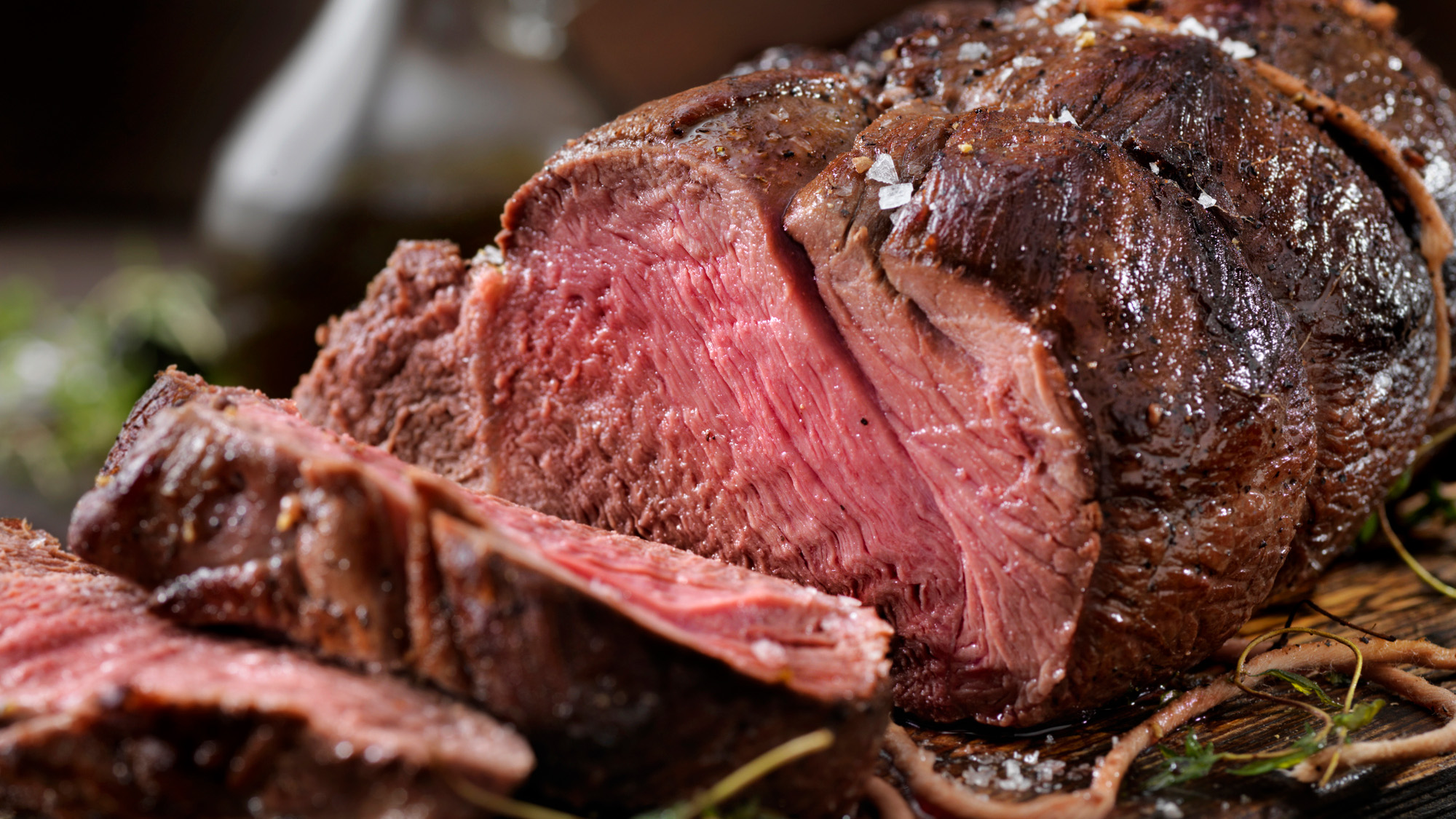
The flavor profile of meat described as “gamey” is gaining attention for its complexity and variety. While the term can evoke both appreciation and distaste, its definition remains elusive. This ambiguity stems from its origins, referring to the distinct characteristics of wild game, which can encompass a wide range of flavors and textures. The characteristics classified as gamey can include toughness, earthiness, and even metallic notes. Understanding what contributes to these flavors can help consumers navigate their preferences.
The Science Behind Gamey Flavors
According to Mohammed Gagaoua, a prominent meat scientist at the French National Institute for Agriculture, Food, and Environment, gamey is a subjective term that reflects a multitude of sensory experiences. He emphasizes that it lacks a singular definition, highlighting its dynamic nature. The intensity of the red color of meat plays a significant role in determining gamey-ness. Chris Kerth, a professor of meat science at Texas A&M University, explains that the more an animal utilizes its muscles, the more red muscle fibers develop, leading to a deeper color and a more pronounced flavor.
The gamey flavor often correlates with leaner, tougher cuts of meat. The way humans perceive flavors is limited to basic sensations—salty, sour, bitter, sweet, umami, and fats. However, texture and appearance also significantly influence taste perception. For instance, even the darkest industrially farmed meats, such as bright red beef, do not typically exhibit gamey flavors due to the animals’ grain-based diets.
The Role of Diet and Environment
The diet of an animal profoundly impacts the flavor of its meat. Grains, such as corn, contribute to the tenderness and marbling of meat but often lack distinct flavor. In contrast, wild animals or those raised on a varied diet produce meat with a different fatty acid profile. Kerth notes that the unsaturated fats found in the tissues of wild animals can create flavors described as grassy or tallowy. This is particularly true for pigs, whose simpler digestive systems retain more of the flavors from their diets.
Other factors influencing meat flavor include the hormones present in male mammals, which can impart musky notes, and the stress experienced by animals prior to slaughter. Both of these can alter tenderness and taste, as noted by Robert Ward, a food scientist at Utah State University. Long-term stress or acute fear can lead to undesirable flavors, prompting practices such as castration of male livestock to enhance meat quality.
Taste preferences also vary widely. Some cultures embrace the gamey flavor, associating it with notions of wilderness and ecological authenticity. Gagaoua observes that for some consumers, the perception of gamey meat as a symbol of untamed nature enhances its appeal. Conversely, those who prefer milder flavors can easily avoid gamey notes by selecting grain-fed cuts and avoiding overcooking.
For adventurous eaters, gamey meats offer a unique opportunity to explore diverse flavors and cooking techniques. By understanding the factors that contribute to gamey characteristics, consumers can better appreciate or navigate the complexities of meat flavors. Ultimately, the enjoyment of gamey meat is subjective, reliant upon personal preferences and cultural backgrounds.
In conclusion, the term “gamey” encompasses a broad spectrum of flavors and textures rooted in an animal’s diet, activity level, and environmental conditions. As consumers become more interested in where their food comes from, understanding the nuances behind gamey meat can enrich their culinary experiences and foster a greater appreciation for the diversity of flavors available on their plates.