Creative interior designers are increasingly turning to vintage pieces to enhance small spaces, offering both functionality and character. As urban living trends toward smaller apartments and compact homes, every item must serve a purpose while also contributing to the overall aesthetic. This has led to a surge in the use of vintage decor, which often combines beauty and practicality, adding warmth and history to even the tiniest rooms.
Transformative Storage Solutions
Storage is a critical consideration in smaller living environments, and it does not have to compromise style. Designers Kristin Fine and Analisse Taft-Gersten from The 1818 Collective advocate for vintage bookcases, such as a 1954 oak and metal model by Escande, a protégé of Jean Prouvé. They emphasize that a carefully selected vintage bookcase can enhance a small space by introducing warmth and character without overwhelming the area. The design of vintage shelving tends to be more delicate and shallower than modern options, providing display space while maintaining a sense of openness.
Curved Furniture for Flow
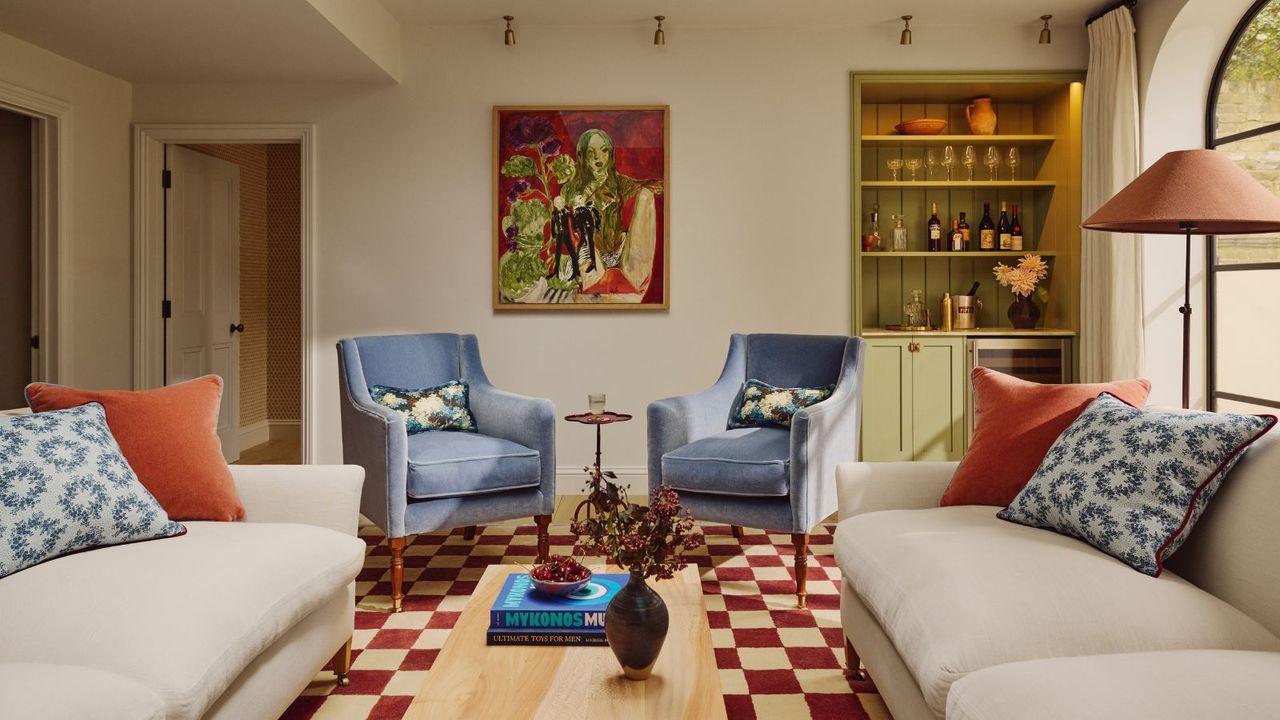
Curved furniture, such as demi-lune tables, can effectively address awkward corners in small rooms. Interior designer Jessica Buckley highlights the practicality of these tables, which can be positioned against walls without disrupting the flow of the room. Their half-moon shape allows for surface space while maintaining a visual lightness that is essential in tight layouts. These tables can serve various functions, from side tables in living areas to decorative surfaces in hallways.
Lighting plays a pivotal role in shaping the atmosphere of compact spaces. According to interior stylist Kerrie-Ann Jones, a sculptural table lamp, such as a 1940s Italian Murano glass piece, can serve as both a focal point and a functional element. These vintage lamps not only illuminate but also add a layer of artistic charm to the space. Levity Tomkinson, founder of Levity Interiors, echoes this sentiment, noting that vintage lighting allows for creative expression through varied scales and materials, enhancing the character of small interiors.
Versatile Accent Chairs
In small homes, vintage accent chairs are invaluable for their versatility and aesthetic appeal. Laura W. Jenkins cherishes her Bertoia chairs, which she has used in various settings since college. These chairs blend seamlessly with traditional furniture and offer flexible seating options. Shana Sherwood also advocates for the use of single antique dining chairs, particularly petite bobbin styles. Their smaller size allows them to fit into any corner, providing unexpected yet stylish seating.
Mirrors are another powerful tool for enhancing small spaces. Sierra Fox, principal designer at Studio Mountain, refers to mirrors as “magic” in compact interiors. Vintage mirrors with time-worn patina not only reflect light but also contribute to the overall warmth of the room. Their unique textures and finishes add character, transforming a simple reflective surface into an engaging focal point.
Enhancing Transitional Spaces
Entryways and hallways often suffer from being purely functional, but introducing vintage runners can change that perception. Shana Sherwood notes that vintage runners complement narrow spaces, guiding movement while adding texture and color. They can elevate otherwise overlooked areas, making them feel intentional and thoughtfully designed. Sierra Fox agrees, suggesting that vintage rugs provide warmth and pattern without overwhelming the space.
Finally, decorative ceramics, including studio pottery and hand-thrown vases, can add a tactile dimension to small spaces. Levity Tomkinson describes these ceramics as approachable ways to introduce texture and form. Thoughtfully arranged, they can bring depth to a room without taking up significant floor space, serving both as art and functional vessels.
Small living spaces require deliberate choices, and vintage pieces offer a compelling solution. With their unique character and history, these items prove that style in compact environments is about intention rather than size.