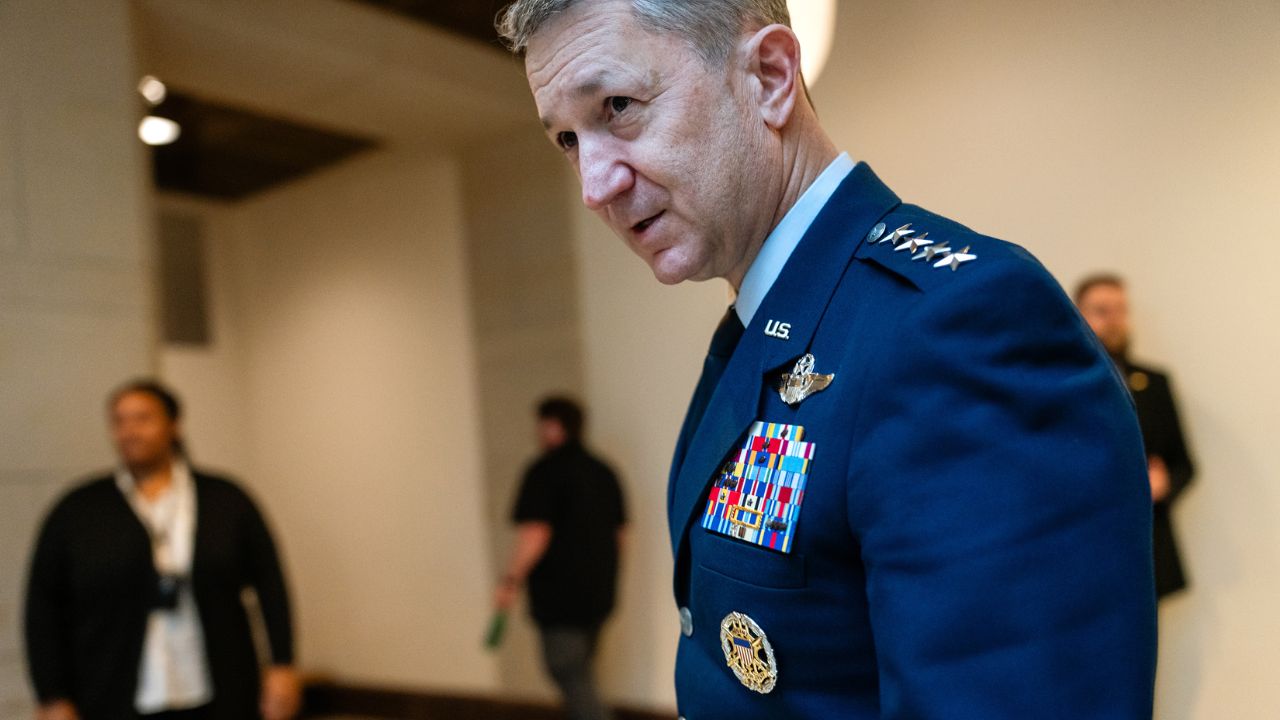
A senior official from the U.S. Department of Defense has accused the artificial intelligence firm Anthropic of “lying” regarding the military’s intended use of its Claude AI system. The Pentagon has demanded Anthropic remove certain restrictions on how Claude can be utilized for military purposes. Failure to comply by the deadline of September 22, 2023, may result in the company being cut from military systems and labeled a “supply chain risk.”
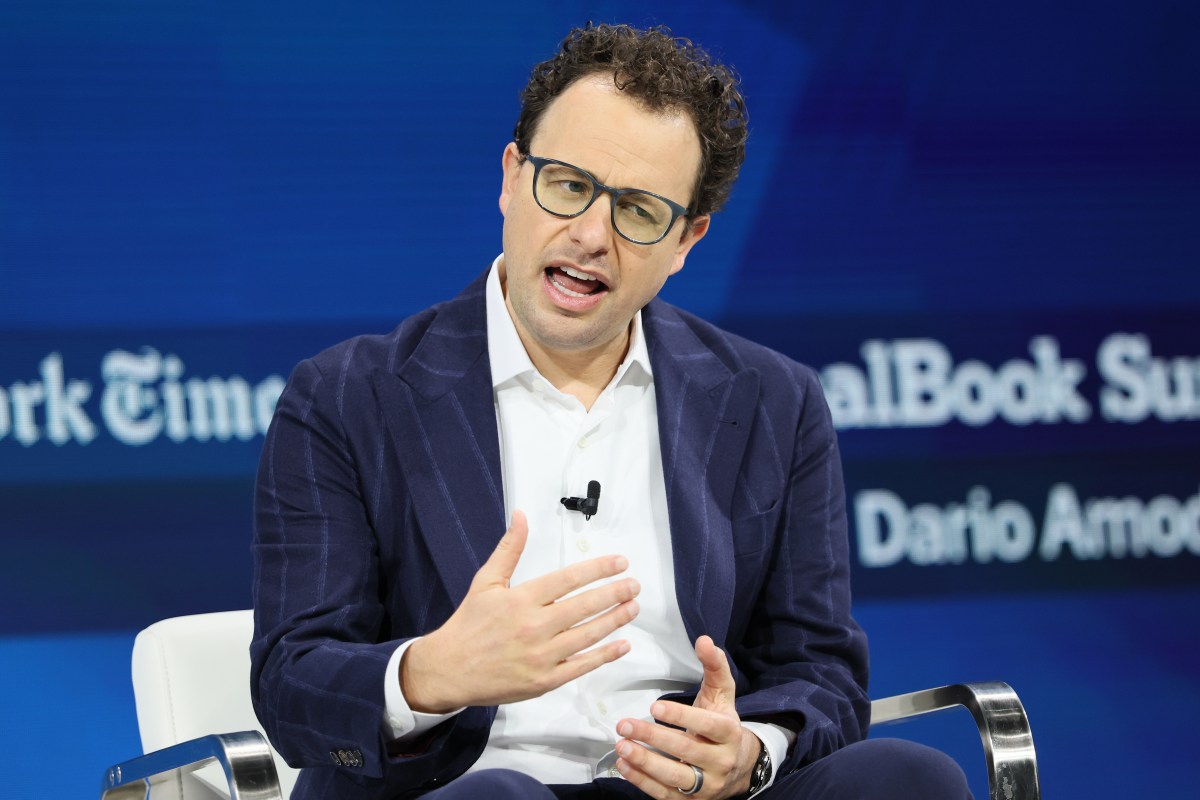
Under Secretary of War Emil Michael voiced these allegations in a post on X, responding to comments made by Anthropic’s co-founder and CEO, Dario Amodei. Michael emphasized that the military does not engage in mass surveillance, as doing so is illegal, and explained that the request is aimed at enabling military personnel to use AI effectively without needing prior approval for actions, such as countering enemy drone threats.
In his defense, Amodei stated that he will not permit the military to employ Claude for “mass domestic surveillance” or for “fully autonomous weapons.” He stressed that Anthropic has resisted the Pentagon’s demands to remove safeguards against these use cases.
Michael went further, accusing Amodei of possessing a “God-complex” and attempting to exert personal control over military operations, which he argued compromises national safety. In response, Amodei highlighted Anthropic’s commitment to proactively deploying AI models to the Department of War and intelligence agencies, asserting that military decisions should remain with the Department of War and not private companies.
“The existential importance of using AI to defend the United States and other democracies cannot be overstated,” Amodei stated. He further clarified that while Anthropic supports the military’s use of AI, certain applications could undermine democratic values and exceed the capabilities of current technology.
The tension between the Pentagon and Anthropic reflects broader debates over the role of artificial intelligence in military applications and its implications for privacy and ethical governance. As discussions evolve, both parties stand firm on their positions, suggesting a complex road ahead in the intersection of technology and defense.
This article is developing, and further updates will follow as the situation unfolds.